 EN
EN

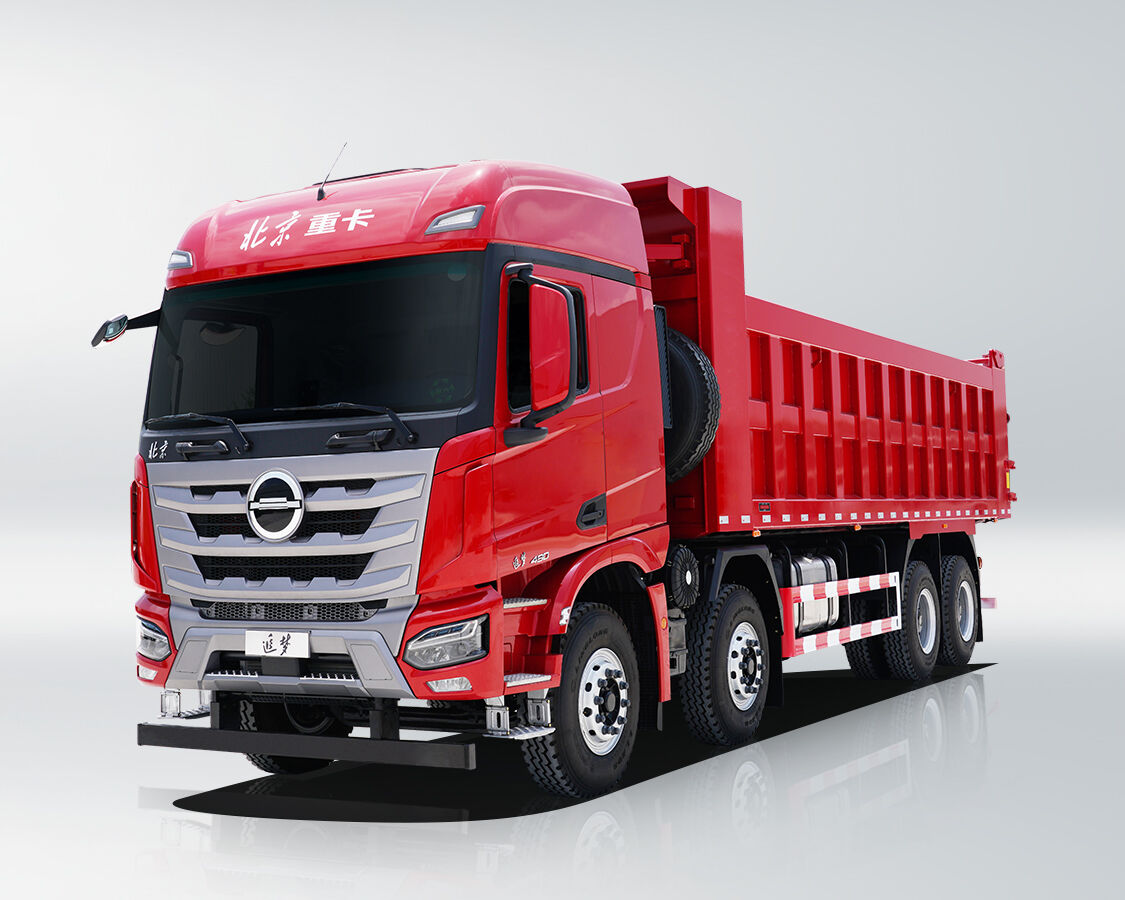
Dump Truck Stability Physics on Steep and Uneven Terrain
Center of Gravity Shifts and Rollover Mechanics on Inclines
Keeping dump trucks stable on hills really comes down to managing their center of gravity. When going up or down slopes, the weight distribution between the truck itself and whatever cargo it carries starts shifting toward the lower side of the hill. This makes the whole rig less stable against tipping over. According to recent studies from the mining sector back in 2023, there's actually about a 40% drop in stability thresholds at just 15 degree angles. Things get even worse on rough ground where different wheels might grip differently. Smart operators know they need to slow things down considerably, steer carefully without sudden movements, and basically treat any slope as potentially dangerous territory regardless of how gentle it looks.
Why Fully Loaded Dump Trucks Often Exhibit Greater Stability on Descents
Believe it or not, fully loaded dump trucks can actually be more stable when going downhill in a straight line. The extra weight brings down the truck's center of gravity, which helps prevent it from pitching forward and spreads the weight better between the front and rear axles. But watch out when turning or driving on sloped ground. That's when things get risky fast because all that mass wants to keep moving straight while the truck turns, making rollovers much more likely. Stability isn't just about how much stuff is in there though. How that stuff is arranged matters just as much. Operators need to make sure everything stays put during transport. A truck packed haphazardly with too much weight on one side becomes a death trap compared to something that's only half full but properly balanced.
Load Management Strategies for Mountain-Grade Dump Truck Safety
Optimal Load Placement to Maintain Lateral and Longitudinal Balance
Getting the load positioned right makes all the difference when driving on steep slopes. The heaviest stuff needs to go down low in the truck bed so it doesn't slide around when taking corners, which also helps keep things from tipping over because the weight stays closer to the ground. When balancing along the length of the vehicle, aim for putting about two thirds of everything ahead of the back wheels. This setup stops the truck from becoming too heavy at the rear end going downhill and keeps enough weight on the front tires for good grip. Always do a quick visual inspection and get someone outside to watch things over before starting out, particularly in rough mountain areas where even small weight shifts can cause big problems suddenly. Research shows smart loading techniques cut down on rollover accidents by roughly forty percent according to various engineering reports.
Real-Time Weight Monitoring Systems in Modern Dump Trucks
Today's dump trucks come equipped with strain gauges and those fancy 3D accelerometers that keep an eye on how weight is spread out across the truck bed. These onboard systems track where the center of gravity moves while showing operators when cargo goes over safe limits or starts shifting around too much. This matters a lot on hills steeper than 8%, because instability problems get worse fast when going uphill or downhill. When connected to stability controls, these systems actually slow down the hydraulic lifts automatically during dumping if something feels off balance. The National Safety Council reported last year that companies using this tech saw about a third fewer rollovers happening in mountain areas compared to before.
Braking, Gear Selection, and Controlled Descent Techniques for Dump Trucks
Engine Braking Efficiency vs. Service Brake Wear on 12%+ Grades
When tackling those really steep hills over 12% grade, engine braking works much better than regular service brakes for keeping speeds under control during long descents. The system actually converts motion into exhaust heat instead of wearing down brake pads through friction, which means no thermal fade happens and the main brakes stay intact longer. Picking lower gears creates more resistance in the drivetrain, allowing trucks to roll downhill smoothly without needing constant brake application. Drivers need to start using engine brakes early before speeds get too high. If they wait until speeds build up first, then all that weight has nowhere else to go but straight into the service brakes, causing them to take the full brunt of gravity's pull. Maintenance studies show this kind of reactive braking can wear out brake components three times faster than normal.
Mountain-Specific Driver Training and Operational Protocols for Dump Trucks
OSHA- and MSHA-Aligned Curriculum: Simulation, Field Drills, and Competency Validation
Running dump trucks through mountain areas requires specific training that meets both OSHA and MSHA regulations. Good training programs mix realistic simulations where operators deal with steep hills, slippery ground conditions, and sudden shifts in cargo weight with actual on-site practice sessions. These hands on exercises help drivers develop instinctive reactions when making quick decisions while operating heavy machinery. When it comes to proving competence, companies typically look at how well someone navigates obstacles under time pressure, handles different loads properly, and responds during emergencies. Construction sites that adopted this training method which starts with simulation exercises, moves to real world applications, then wraps up with official certification tests reported around 40 percent fewer rollover accidents according to recent safety data from 2023.
Terrain Intelligence: Assessing Ground Conditions for Safe Dump Truck Deployment
Driving dump trucks through mountains demands careful inspection of the ground before heading out to stop accidents from happening. Things like what kind of dirt we're dealing with, how steep the slopes are, bumps on the surface, and whether the ground is wet all play a big role. Rocky areas or muddy ground after heavy rains can cut down on grip by almost half sometimes. Truck drivers need to figure out how much pressure their vehicle puts on the ground compared to what the earth underneath can handle without getting squished. Before starting work, companies often send drones overhead and use those fancy laser maps to spot problems nobody would normally see, like weak spots where the earth might give way or loose rocks waiting to fall. Good practice means keeping the ground packed at least 95 percent solid where they dump materials, and sticking strictly to what the truck maker says about maximum incline angles. Monitoring moisture levels while working helps crews adjust their approach as conditions change throughout the day in these tricky mountain environments.
FAQs
What causes dump trucks to become unstable on slopes?
Dump trucks become unstable on slopes due to shifts in the center of gravity toward the lower end of the hill, weight distribution issues, and uneven ground that can lead to different wheels gripping differently.
Why can fully loaded dump trucks be more stable on descents?
Fully loaded dump trucks can be more stable because the additional weight lowers the center of gravity, thus preventing the truck from pitching forward and ensuring weight is evenly distributed between axles.
What measures help maintain dump truck stability on steep slopes?
Proper load positioning, real-time weight monitoring, engine braking, and adequate driver training are crucial measures to maintain dump truck stability on steep slopes.
Table of Contents
- Dump Truck Stability Physics on Steep and Uneven Terrain
- Load Management Strategies for Mountain-Grade Dump Truck Safety
- Braking, Gear Selection, and Controlled Descent Techniques for Dump Trucks
- Mountain-Specific Driver Training and Operational Protocols for Dump Trucks
- Terrain Intelligence: Assessing Ground Conditions for Safe Dump Truck Deployment
- FAQs