 EN
EN

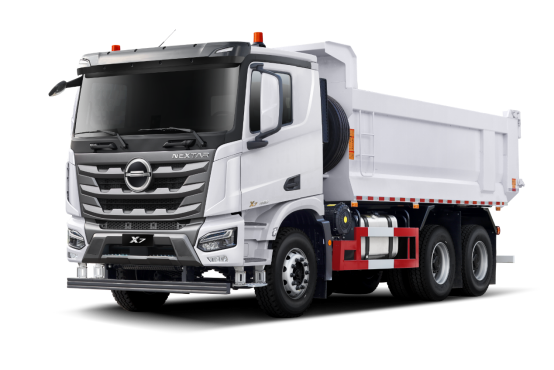
Reliability and Uptime: Measuring True Dumper Dependability
Structural integrity, Tier 4 Final engine compliance, and integrated safety systems
The foundation of reliable dumpers lies in their structural design. High quality steel alloys stand up much better against those pesky fatigue cracks that develop after handling repeated 12 ton loads day after day. The newer Tier 4 Final engines represent a major leap forward too. They slash particulate emissions down by around 90% compared to what we saw before 2014, all without sacrificing torque performance even when things get really dusty on site. Safety is another big concern for manufacturers these days. Most modern machines come equipped with integrated safety systems like automatic load stabilizers and ROPS (rollover protection structures). These actually make a difference on job sites, cutting down on preventable accidents that cost both time and money. Looking at field reports from construction equipment in 2023, there was a noticeable trend: operators reported roughly 23% fewer unexpected maintenance interruptions when working with machines that had all these standard features built right in from the factory.
MTBF benchmarks: comparing modern vs. legacy dumper platforms in real-world site operations
Today's dumpers last around 2500 to 3000 hours between failures, which is way better than the old standard of about 1200 hours according to data collected from quarries worldwide. The jump in reliability comes mainly from better hydraulic systems and smart maintenance tech that can spot parts wearing out before they actually fail. Back in the day, mechanics had to replace bearings every week, but now these newer machines only need similar work every 500 hours or so. When going up hills or across rough ground, modern dumpers stall much less often too, about 40 percent fewer times compared to their predecessors. This makes them far more dependable overall, especially when working in tough conditions where downtime costs money.
Payload Capacity and Load Matching: Optimizing Efficiency Without Compromising Durability
Aligning dumper payload (2–12 tonne) with common construction material volumes and cycle times
Getting the payload capacity right makes all the difference for how efficiently a construction site runs. Most sites find that 6 ton dumpers work well for regular concrete jobs, whereas bigger 12 ton models are better suited for heavy earthmoving tasks. When operators match the truck's capacity to what they're actually carrying and how far it needs to go, they save tons of wasted effort. Take gravel for example: hauling 20 cubic meters would need four round trips in a smaller 5 ton vehicle, but just two with a larger 10 ton model. Studies from site logistics folks show this kind of matching can cut down on idle time between 15% and 22%. Plus, it helps keep things balanced according to those ISO 20474 standards about load distribution, which nobody wants to get fined over anyway.
Consequences of chronic underloading and overloading on chassis fatigue and long-term reliability
When machines carry too much weight all the time, it wears them down faster – studies show somewhere between 40 to 60 percent more wear actually happens. This leads to those annoying little cracks forming in the chassis long before they should, plus all sorts of problems with the suspension system. On the flip side, not loading trucks properly wastes gas money and makes each ton transported cost around 18 to 30 percent more according to Construction Equipment Association data from last year. Safety gets compromised either way. Trucks that are overloaded tend to have brakes giving out 70 percent more often when going uphill, something we've seen happen at several sites recently. And those empty or lightly loaded dumpers? They just aren't stable enough when drivers try to move quickly across rough terrain. Putting in load monitoring systems along with proper training for operators can save roughly eight thousand five hundred dollars annually per vehicle if maintained correctly. Most companies find these savings worth the investment once their crews get used to working within optimal load ranges.
Key Impact Summary
Loading Practice Structural Impact Cost Consequence Chronic Overloading Chassis fatigue cracks (+300% risk) $14k/year in premature repairs Chronic Underloading Drivetrain imbalance wear 22% higher fuel cost per tonne Optimized Loading 12–15 year chassis lifespan 19% lower TCO over 10 years
This discipline extends service life by 3–5 years and sustains productivity–proving that precise load matching is essential not just for efficiency, but for long-term cost control and safety.
Site Terrain and Mobility: Choosing Between Wheeled and Tracked Dumpers
Ground flotation, slope stability, and manoeuvrability requirements per ISO 20474-6
The kind of ground we're working on really determines which dumper makes sense. Tracked machines spread their weight across the surface about 30 to maybe even 50 percent better than regular wheeled ones do. This brings down the pressure they exert on the ground to something like less than half a kilogram per square centimeter. That matters a lot when dealing with muddy areas, wet spots, or anything that's not level because otherwise the wheels just dig in and get stuck. When it comes to going uphill, tracked equipment stays put on slopes reaching almost 45 degrees, which actually beats what the ISO 20474-6 standard requires by around 15 percentage points. Most wheeled versions struggle beyond about 30 degrees before tipping becomes a real concern. On the flip side, wheeled dumpers can move faster, hitting speeds up to 25 kilometers per hour compared to only 15 for tracked models. They also turn much tighter on packed ground or properly graded surfaces. Workers report cutting their work cycles down by roughly 40% in good conditions, and those tight turns make all the difference in cramped spaces where tracked machines would never fit through. So when choosing between these options, think about where they'll actually be used: go with tracks for swampy areas and mud pits, but save the wheeled models for solid, well-prepared sites.
Total Cost of Ownership: Calculating Long-Term Value Beyond the Purchase Price
Fuel efficiency, maintenance intervals, spare parts availability, and residual value trends
The real worth of a dumper isn't found in what it costs at purchase but rather in how much it spends over time. When looking at fuel consumption, machines that burn 15 to 25 percent less diesel fuel can save tens of thousands of dollars throughout their lifespan. Maintenance intervals are just as important too. Equipment needing 30 to 45 percent fewer service visits each year cuts down on both repair expenses and lost productivity when things break down. Getting replacement parts quickly is absolutely critical for keeping operations running smoothly. Machines with standard components backed by local warehouses avoid those frustrating delays that eat into project timelines. What happens when it's time to sell matters greatly too. Some models hold onto 20 to 30 percent more value even after heavy usage. Smart buyers focus on these elements because they want equipment that makes financial sense across years of operation, not just something cheap to buy today.
| Category | Cost Components | Impact on TCO |
|---|---|---|
| Operational | Fuel consumption, Lubricants | Drives recurring operating budget |
| Maintenance | Service labor, Replacement parts | Affects uptime and repair costs |
| Longevity | Spare parts availability, Overhaul | Determines functional lifespan |
| Residual | Depreciation curves, Resale demand | Offsets initial capital outlay |
FAQ Section
1. What is the Tier 4 Final engine compliance?
The Tier 4 Final engines drastically reduce particulate emissions by 90% without sacrificing torque performance, compared to engines prior to 2014.
2. How does optimized loading affect dumper costs?
Optimized loading extends the chassis lifespan to 12-15 years and lowers the total cost of ownership by 19% over 10 years.
3. When should tracked dumpers be used over wheeled dumpers?
Tracked dumpers are ideal for swampy areas and mud pits because they distribute weight more evenly and perform better on slopes compared to wheeled dumpers.
Table of Contents
- Reliability and Uptime: Measuring True Dumper Dependability
- Payload Capacity and Load Matching: Optimizing Efficiency Without Compromising Durability
- Site Terrain and Mobility: Choosing Between Wheeled and Tracked Dumpers
- Total Cost of Ownership: Calculating Long-Term Value Beyond the Purchase Price