 EN
EN

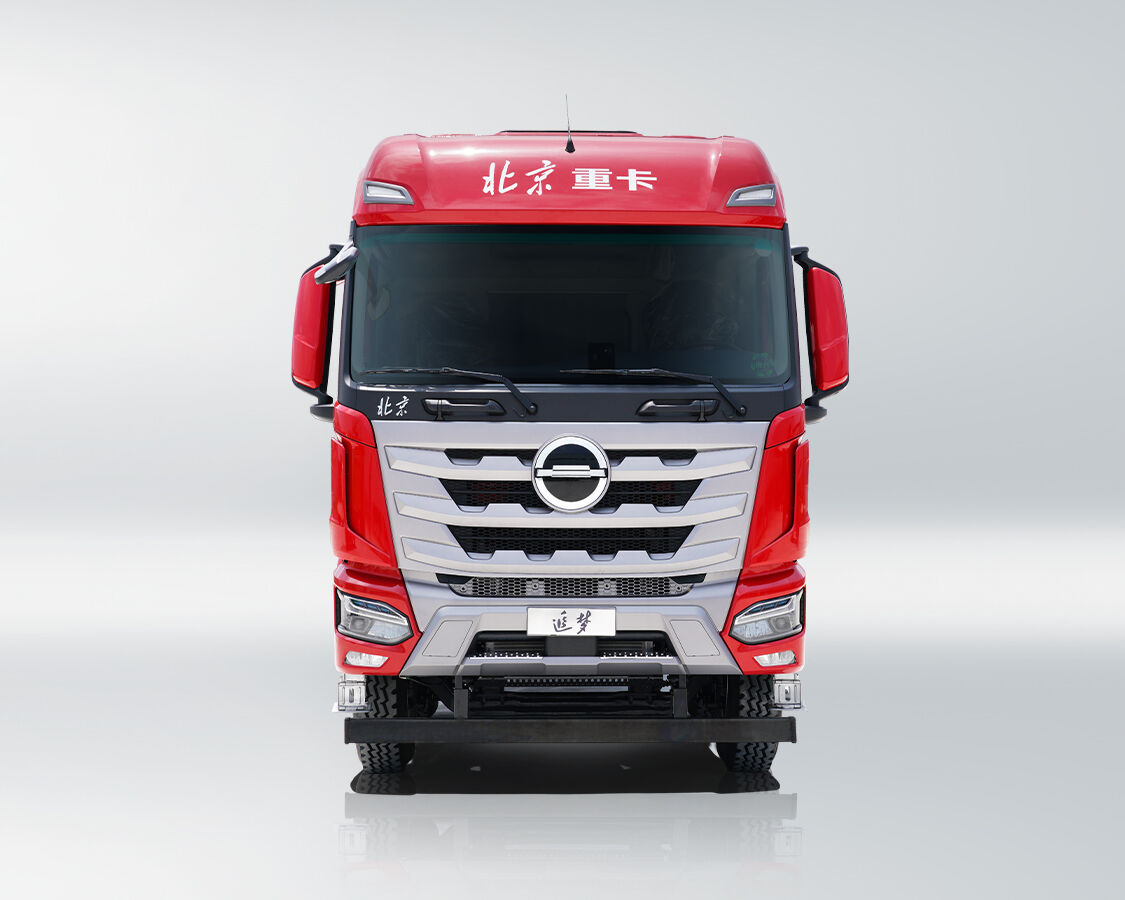
Terrain Challenges and Dump Truck Stability on Mountain Roads
How steep grades, loose surfaces, and narrow switchbacks affect dump truck center of gravity and rollover risk
When vehicles climb steep hills with slopes over 10%, they tend to push weight toward the back end. This shifts the center of gravity higher up, making rollovers much more likely when taking corners. The problem gets worse on loose ground such as gravel roads or rocky terrain. Traction disappears quickly there, especially if it's raining. Studies show stopping distances can jump by around 40% under these conditions according to FMCSA research from 2023. Then there are those tight winding roads that require sudden steering changes. These create side-to-side forces which throw off balance for any cargo that's either too high or spread out unevenly across the truck bed. All these issues combine to form dangerous situations where stability is compromised at various points along the route.
| Terrain Factor | Impact on Stability | Mitigation Focus |
|---|---|---|
| Grades >10% | Load shift — higher CoG | Load distribution |
| Loose surfaces | Reduced traction — slide risk | Tire tread/speed control |
| Switchbacks | Lateral force spikes — roll risk | Maneuvering precision |
Why articulated dump trucks demand extra caution despite enhanced maneuverability in confined mountain terrain
Dump trucks that articulate at their middle joint can make those tight turns on twisty mountain roads, which is great for getting through narrow spots—but there's a catch. When these trucks move, the front and back parts don't always stay aligned, so weight shifts around quite a bit when going uphill, downhill, or across bumpy ground. If drivers push past the safe turning angle, especially around sharp bends, the back part of the truck might whip sideways unexpectedly, throwing off whatever cargo they're carrying. Sure, these trucks handle well in tight areas, but operators need to watch their speed carefully and think ahead about where they're steering to avoid getting stuck in a jackknife position. Statistics show that about one out of every six rollover accidents happens because of this very issue on mountain roads.
Pre-Trip Inspection Essentials for Mountain-Ready Dump Trucks
Brake system checks to prevent thermal fade during extended descents
When heading into mountain territory, thorough brake checks are absolutely essential to prevent thermal fade, which basically means losing all braking power after long downhill stretches. First things first, measure those brake pads. If they're below 1/4 inch thick, forget about proper heat dissipation. Also check the hydraulic fluid levels and look around for any signs of leakage in the lines because low fluid definitely makes things worse when it comes to fading. Want to test if the parking brake works? Try engaging it on a slope that's roughly 10% grade. Most drivers overlook this simple check but it can save lives. Air brake systems need special attention too. Make sure the compressor is working properly and that all valves function correctly since delayed pressure buildup just leads to more overheating problems. According to FMCSA data from 2023, nearly 28% of dump truck accidents happen on slopes due to brake failure, so these pre-run checks aren't optional. And while testing brakes, keep an ear out for strange noises like grinding or excessive squealing. Catching these issues early might seem minor, but trust me, ignoring them often leads to bigger headaches down the road.
Tire and suspension assessment: Pressure, tread depth, and shock integrity for high-altitude traction
Cold tire pressure should match what the manufacturer recommends, especially since temperatures drop at higher altitudes and this affects how much air is needed. When checking tread depth with a gauge, mountain operators need at least 8/32 inches remaining. Keep an eye out for strange wear patterns across the treads as these often point to alignment problems. Don't forget to look closely at the sidewalls too. Any cuts or bulges there mean serious trouble for the tire's strength. Suspension checks are pretty straightforward. Just press down hard on each corner of the vehicle and watch how it bounces back up. If it keeps bouncing more than twice after being pushed, those shocks are probably shot and need replacing soon. Spring mounts and U-bolts deserve attention as well. Look for cracks caused by stress, which matters most on articulated dump trucks because their frames twist so much during operation. Good maintenance of both tires and suspension systems helps keep vehicles grounded even on tricky loose surface roads. According to Ponemon research from 2023, proper maintenance can cut rollover risks by around 40 percent in such conditions.
Engine Braking and Speed Control Techniques for Safe Dump Truck Descents
Optimal gear selection, RPM management, and real-time feedback cues for effective engine braking
Before heading down those steep hills, shift into a lower gear so the engine stays around that sweet spot between 1,800 and 2,200 RPM. When the engine works harder, it turns all that motion energy into heat through exhaust compression. Keep an eye on the tachometer while driving. Also watch for when the exhaust brake engages. If the engine starts sounding different or the pitch changes, that means the brakes aren't doing enough work. Time to switch gears again! Drivers who plan ahead like this can cut their reliance on regular service brakes by about 40% when going down long slopes over 10%. Truckers know this from years of experience, not just some study somewhere.
Intermittent brake application protocols—validated by FMCSA 2023 brake temperature data
For long downhill stretches, it makes sense to apply the brakes in short bursts lasting around 3 to 5 seconds, then let them cool down for at least 15 seconds before applying again. This helps avoid dangerous heat buildup in the braking system. According to recent FMCSA statistics from 2023, following this pattern keeps brake drum temps under 250 degrees Fahrenheit, which matters a lot since anything over 400F really raises the chances of brake fade failures. Combine this approach with ABS engagement and drivers can prevent wheels from locking up completely during quick turns or stops on slick roads or ice patches. Smart operators always look ahead for road sections where there are clear areas set aside specifically for pulling over in emergencies while getting comfortable with these braking methods.
Load Management and Route Planning for Mountainous Dump Truck Operations
Balanced loading practices to minimize load shift and maintain axle weight compliance on gradients
When weight isn't distributed properly, vehicles are at much greater risk of rolling over on steep mountain roads, according to industry safety reports showing as much as a 40% increase in danger. Keep things balanced by making sure cargo sits centered in the truck bed and don't go beyond what the manufacturer says about weight capacity. Spread out heavy items so they're not all concentrated on one axle, which helps protect the suspension when going downhill. Use good quality tarps to tie down loose stuff since strong winds can push materials around unexpectedly. Before heading up any serious incline, do a quick tilt test while parked on flat ground first. This simple check has actually cut down on loading problems by about two thirds for drivers navigating through mountains, based on field data collected over several seasons.
Integrating elevation maps, road condition reports, and weather forecasts into dump truck route planning
Looking at elevation profiles before hitting the road can spot those steep sections over 10% grade where engine braking really matters. Smart drivers mix digital maps showing terrain with current weather updates so they don't get stuck on icy roads or areas with poor visibility. Road width is another key consideration, particularly around switchback turns where most mountain accidents happen according to studies. About 80% of collisions in these areas actually occur there! When planning routes, good software considers things like bridge weight restrictions and whether shoulders are stable enough for emergency stops. These systems adjust suggested paths when DOT issues closures due to landslides or other problems. The whole package cuts down unexpected roadside stops by almost half compared to traditional methods, plus keeps everyone within legal limits regarding axle weights on different grades throughout the journey.
Frequently Asked Questions
What are the primary challenges faced by dump trucks on mountain roads?
Dump trucks face challenges like steep grades, loose surfaces, and narrow switchbacks which affect stability due to shifting center of gravity, reduced traction, and increased rollover risk.
Why is pre-trip inspection crucial for dump trucks on mountain terrains?
Pre-trip inspections ensure the brake system is functional to prevent thermal fade, tires have sufficient tread and correct pressure, and the suspension is intact, maintaining stability on challenging terrains.
How can load management reduce risks for dump trucks on slopes?
Balanced loading practices minimize load shift, maintain axle weight compliance, and ensure stability, significantly reducing the risk of rollovers on steep mountain roads.