 EN
EN

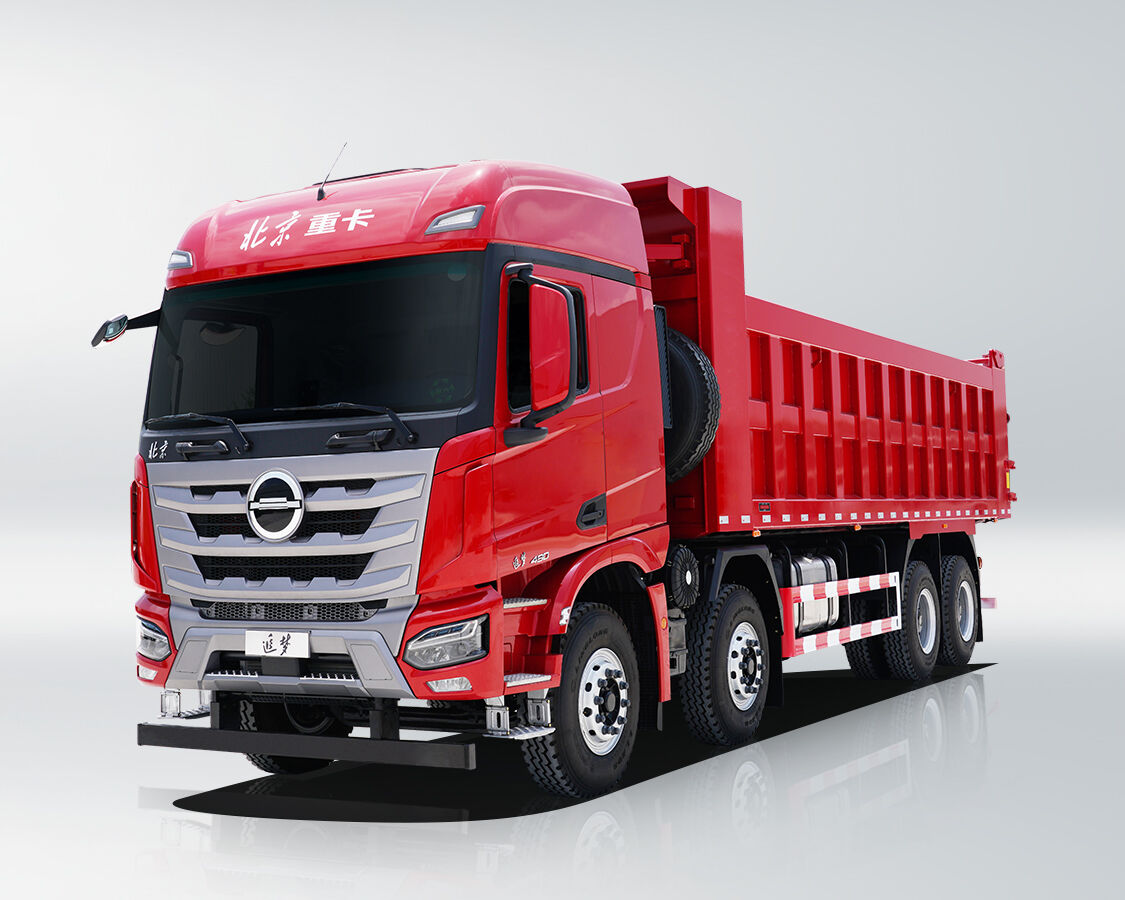
Nguyên lý vật lý về độ ổn định của xe tải ben trên địa hình dốc và không bằng phẳng
Sự dịch chuyển trọng tâm và cơ chế lật xe trên các đoạn dốc
Việc giữ cho xe tải ben ổn định trên các con dốc thực chất phụ thuộc vào việc kiểm soát trọng tâm của chúng. Khi di chuyển lên hoặc xuống dốc, phân bố trọng lượng giữa bản thân xe và hàng hóa đang chở bắt đầu dịch chuyển về phía bên thấp hơn của con dốc. Điều này làm giảm độ ổn định toàn bộ xe trước nguy cơ lật đổ. Theo các nghiên cứu gần đây từ ngành khai khoáng năm 2023, ngưỡng ổn định thực tế giảm khoảng 40% chỉ ở góc nghiêng 15 độ. Tình hình còn trở nên nghiêm trọng hơn trên mặt đường gồ ghề, nơi các bánh xe có thể bám đường khác nhau. Những tài xế lành nghề đều biết rằng họ cần giảm tốc đáng kể, lái xe cẩn thận mà không thực hiện các động tác đánh lái đột ngột, đồng thời coi mọi dốc nghiêng như một khu vực tiềm ẩn nguy hiểm — bất kể độ dốc có trông có vẻ thoai thoải đến đâu.
Tại sao xe tải ben chở đầy thường thể hiện độ ổn định cao hơn khi xuống dốc
Dù bạn có tin hay không, những chiếc xe tải ben được chất đầy hàng hóa thực tế lại có thể ổn định hơn khi đi xuống dốc theo đường thẳng. Trọng lượng bổ sung làm hạ thấp trọng tâm của xe, giúp ngăn ngừa hiện tượng xe chúi về phía trước và phân bổ trọng lượng tốt hơn giữa cầu trước và cầu sau. Tuy nhiên, hãy cẩn thận khi vào cua hoặc lái xe trên mặt đất dốc. Đó là lúc rủi ro gia tăng nhanh chóng, bởi toàn bộ khối lượng lớn đó có xu hướng tiếp tục chuyển động thẳng trong khi xe đang quay, khiến nguy cơ lật xe cao hơn nhiều. Độ ổn định không chỉ phụ thuộc vào lượng hàng hóa được chở mà còn phụ thuộc rất nhiều vào cách sắp xếp hàng hóa đó. Người điều khiển cần đảm bảo rằng toàn bộ hàng hóa giữ nguyên vị trí trong suốt quá trình vận chuyển. Một chiếc xe tải được chất hàng một cách tùy tiện, với quá nhiều trọng lượng dồn về một bên, sẽ trở thành cái bẫy tử thần so với một chiếc xe chỉ chở nửa tải nhưng được cân bằng đúng cách.
Các chiến lược quản lý tải trọng nhằm đảm bảo an toàn cho xe tải ben khi vận hành trên đường đèo
Đặt tải trọng tối ưu để duy trì cân bằng ngang và dọc
Việc đặt tải trọng đúng vị trí sẽ tạo ra sự khác biệt lớn khi lái xe trên các dốc dốc đứng. Những vật nặng nhất cần được đặt thấp trong thùng xe để tránh trượt khi vào cua, đồng thời giúp ngăn ngừa hiện tượng lật đổ vì trọng lượng được giữ gần mặt đất hơn. Khi cân bằng tải dọc theo chiều dài xe, hãy cố gắng bố trí khoảng hai phần ba tổng trọng lượng phía trước bánh xe sau. Cách bố trí này giúp tránh tình trạng phần đuôi xe quá nặng khi xuống dốc và duy trì đủ trọng lượng lên bánh xe trước để đảm bảo độ bám tốt. Luôn thực hiện kiểm tra trực quan nhanh và nhờ một người đứng ngoài quan sát toàn bộ quá trình trước khi khởi hành, đặc biệt tại các khu vực núi gồ ghề, nơi ngay cả những thay đổi nhỏ về phân bố trọng lượng cũng có thể gây ra vấn đề nghiêm trọng một cách đột ngột. Các báo cáo kỹ thuật khác nhau chỉ ra rằng việc áp dụng đúng các kỹ thuật xếp tải thông minh có thể giảm khoảng bốn mươi phần trăm số vụ tai nạn lật đổ.
Hệ thống giám sát trọng lượng thời gian thực trên các xe ben hiện đại
Các xe tải ben ngày nay được trang bị cảm biến lực và các cảm biến gia tốc 3D hiện đại nhằm theo dõi cách trọng lượng phân bố trên thùng xe. Các hệ thống tích hợp trên xe này ghi nhận vị trí di chuyển của trọng tâm đồng thời cảnh báo cho người vận hành khi hàng hóa vượt quá giới hạn an toàn hoặc bắt đầu dịch chuyển quá mức. Điều này đặc biệt quan trọng trên các dốc có độ dốc lớn hơn 8%, bởi vì các vấn đề mất ổn định sẽ trở nên nghiêm trọng hơn rất nhanh khi xe di chuyển lên dốc hoặc xuống dốc. Khi được kết nối với các hệ thống kiểm soát ổn định, những hệ thống này thực tế sẽ tự động làm chậm lại cơ cấu nâng thủy lực trong quá trình đổ tải nếu phát hiện sự mất cân bằng. Hội đồng An toàn Quốc gia đưa ra báo cáo năm ngoái cho biết các công ty áp dụng công nghệ này đã ghi nhận số vụ lật xe giảm khoảng một phần ba tại các khu vực miền núi so với trước đây.
Kỹ thuật phanh, lựa chọn số và giảm tốc có kiểm soát đối với xe tải ben
Hiệu suất phanh động cơ so với mài mòn phanh chính trên các dốc có độ dốc từ 12% trở lên
Khi di chuyển trên những dốc đứng thực sự (độ dốc trên 12%), phanh động cơ hoạt động hiệu quả hơn nhiều so với phanh dịch vụ thông thường trong việc kiểm soát tốc độ khi xuống dốc dài. Hệ thống này thực tế chuyển đổi năng lượng chuyển động thành nhiệt thải ra, thay vì làm mòn má phanh do ma sát, nhờ đó tránh được hiện tượng suy giảm hiệu suất phanh do nhiệt và giúp phanh chính duy trì độ bền lâu hơn. Việc chọn số thấp hơn tạo ra lực cản lớn hơn trong hệ truyền động, cho phép xe tải lăn bánh xuống dốc một cách ổn định mà không cần liên tục đạp phanh. Tài xế cần bắt đầu sử dụng phanh động cơ sớm, trước khi tốc độ tăng quá cao. Nếu đợi đến khi tốc độ đã tăng lên mới bắt đầu, toàn bộ trọng lượng xe sẽ không còn hướng nào khác để giải phóng ngoài việc dồn hoàn toàn vào phanh dịch vụ, khiến chúng phải chịu toàn bộ lực kéo của trọng lực. Các nghiên cứu bảo trì cho thấy kiểu phanh phản ứng như vậy có thể làm hao mòn các bộ phận phanh nhanh gấp ba lần so với mức bình thường.
Đào tạo tài xế và quy trình vận hành đặc thù cho vùng núi đối với xe tải ben
Chương trình giảng dạy tuân thủ tiêu chuẩn OSHA và MSHA: Mô phỏng, diễn tập thực địa và kiểm định năng lực
Vận hành xe tải đổ thùng qua các khu vực miền núi đòi hỏi đào tạo chuyên biệt nhằm đáp ứng cả quy định của OSHA và MSHA. Các chương trình đào tạo hiệu quả kết hợp mô phỏng thực tế—trong đó người điều khiển phải xử lý các tình huống như dốc đứng, mặt đường trơn trượt và sự thay đổi đột ngột về trọng lượng hàng hóa—cùng các buổi thực hành tại hiện trường. Những bài tập thực hành này giúp tài xế phát triển phản xạ bản năng khi đưa ra quyết định nhanh trong quá trình vận hành máy móc hạng nặng. Khi đánh giá năng lực, doanh nghiệp thường xem xét khả năng điều hướng chướng ngại vật dưới áp lực thời gian, kỹ năng xử lý các loại tải trọng khác nhau một cách đúng quy cách và phản ứng trong các tình huống khẩn cấp. Theo số liệu an toàn mới nhất năm 2023, các công trường xây dựng áp dụng phương pháp đào tạo này—bắt đầu bằng các bài tập mô phỏng, chuyển sang ứng dụng thực tế và kết thúc bằng các kỳ thi chứng nhận chính thức—đã ghi nhận giảm khoảng 40% số vụ tai nạn lật xe.
Trí tuệ Địa hình: Đánh giá Điều kiện Mặt đất để Triển khai Xe Tải Đổ An toàn
Lái xe tải ben qua các vùng núi đòi hỏi phải kiểm tra cẩn thận mặt đất trước khi xuất phát nhằm ngăn ngừa tai nạn. Các yếu tố như loại đất đang xử lý, độ dốc của sườn dốc, độ gồ ghề trên bề mặt và tình trạng ẩm ướt của mặt đất đều đóng vai trò quan trọng. Khu vực nhiều đá hoặc mặt đất bùn lầy sau những trận mưa lớn có thể làm giảm lực bám tới gần một nửa trong một số trường hợp. Tài xế xe tải cần xác định mức áp lực mà phương tiện tác dụng lên mặt đất so với khả năng chịu tải của lớp đất bên dưới mà không bị nén lún. Trước khi bắt đầu công việc, các công ty thường điều khiển máy bay không người lái (drone) bay trên cao và sử dụng bản đồ laser hiện đại để phát hiện những vấn đề thường khó quan sát bằng mắt thường, ví dụ như các điểm yếu nơi đất có thể sụp lún hoặc những tảng đá lỏng lẻo sẵn sàng lăn xuống. Thực hành tốt nhất yêu cầu duy trì độ chặt của mặt đất ít nhất 95% tại khu vực đổ vật liệu, đồng thời tuân thủ nghiêm ngặt các khuyến cáo của nhà sản xuất xe tải về góc nghiêng tối đa cho phép. Việc theo dõi độ ẩm trong quá trình thi công giúp đội ngũ điều chỉnh phương pháp làm việc phù hợp khi điều kiện thay đổi liên tục trong ngày tại những môi trường miền núi đầy thách thức này.
Các câu hỏi thường gặp
Điều gì khiến xe tải ben trở nên mất ổn định trên các dốc?
Xe tải ben trở nên mất ổn định trên các dốc do sự dịch chuyển của trọng tâm về phía chân dốc, các vấn đề liên quan đến phân bố trọng lượng và mặt đất không bằng phẳng — điều này có thể khiến các bánh xe bám đường khác nhau.
Tại sao xe tải ben chở đầy hàng lại có thể ổn định hơn khi xuống dốc?
Xe tải ben chở đầy hàng có thể ổn định hơn vì trọng lượng bổ sung làm hạ thấp trọng tâm, từ đó ngăn ngừa hiện tượng xe chúi mũi về phía trước và đảm bảo trọng lượng được phân bố đều giữa các cầu xe.
Những biện pháp nào giúp duy trì độ ổn định của xe tải ben trên các dốc dốc đứng?
Việc bố trí hàng hóa đúng cách, giám sát trọng lượng theo thời gian thực, sử dụng phanh động cơ và đào tạo lái xe đầy đủ là những biện pháp then chốt nhằm duy trì độ ổn định của xe tải ben trên các dốc dốc đứng.
Mục lục
- Nguyên lý vật lý về độ ổn định của xe tải ben trên địa hình dốc và không bằng phẳng
- Các chiến lược quản lý tải trọng nhằm đảm bảo an toàn cho xe tải ben khi vận hành trên đường đèo
- Kỹ thuật phanh, lựa chọn số và giảm tốc có kiểm soát đối với xe tải ben
- Đào tạo tài xế và quy trình vận hành đặc thù cho vùng núi đối với xe tải ben
- Trí tuệ Địa hình: Đánh giá Điều kiện Mặt đất để Triển khai Xe Tải Đổ An toàn
- Các câu hỏi thường gặp