 EN
EN

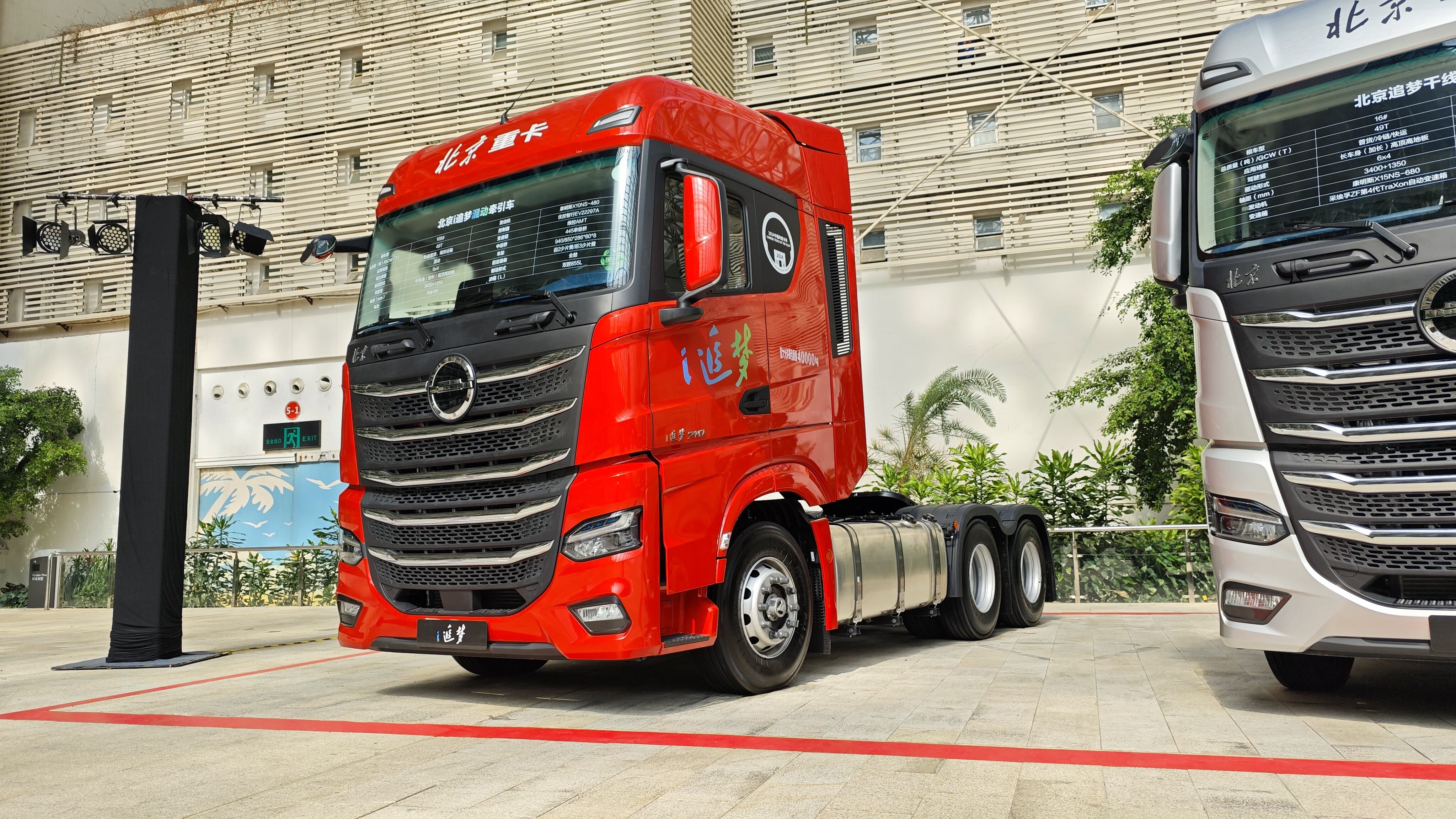
Regulatory Drivers: How Emission Standards Accelerate Hybrid Truck Adoption
EPA, Euro 7, and Urban ZEV Mandates Tightening Compliance Timelines
Regulations around emissions are pushing companies to adopt hybrid trucks faster than ever before in their commercial operations. The US has Tier 4 standards from the EPA, while Europe is working on its new Euro VII rules, and cities worldwide are implementing ZEV requirements. These combined efforts aim for reductions of anywhere from 20 to 38 percent in harmful pollutants like nitrogen oxides, particulate matter, and carbon dioxide by the end of next decade. Hybrid systems help fleet operators stay compliant right away, offering roughly 30% better fuel economy compared to regular diesel engines without dealing with the charging infrastructure issues and limited range problems that plague electric trucks. Urban delivery companies feel this regulatory pressure especially hard since about seven out of ten large cities globally already have some form of low emission zone requirement. For medium duty vehicles, strict timelines stretching from 2025 through 2030 apply throughout North America, Europe, and parts of Asia. Given all these factors, many industry experts see modular hybrid solutions as the practical bridge technology for fleets looking to meet environmental goals without completely overhauling their current operations overnight.
Why Fleets Favor Hybrid Trucks Over BEVs for Regulatory Compliance in Mixed-Use Routes
When dealing with mixed routes that include both city streets and highways, hybrid trucks provide something no other option can match when it comes to meeting regulations. These vehicles have two power sources which means they can handle the tough zero emission zone rules in cities where traffic is constantly stopping and starting, but still get good mileage on long stretches between towns. This setup gets rid of those pesky range worries that plague battery electric vehicles and saves time wasted waiting for charges. Plus there's some serious money saving potential too. The government offers tax breaks worth as much as seven thousand five hundred dollars per truck, making these hybrids even more attractive financially. Fleet managers who've made the switch typically point out three main benefits compared to going all electric:
- Operational continuity: No route restrictions or depot reconfiguration needed
- Compliance certainty: Automatic emission reductions in regulated zones
- Faster adoption cycles: 40% shorter implementation timelines due to seamless integration with existing maintenance and refueling infrastructure
This operational pragmatism positions hybrids—not as a compromise, but as the optimal compliance strategy for evolving global standards.
Total Cost of Ownership: The Economic Case for Hybrid Trucks in Commercial Fleets
Fuel Savings, Maintenance Reductions, and Incentive Capture for Medium-Duty Hybrid Trucks
The total cost of ownership benefits from hybrid trucks come quickly thanks to two main efficiency features working together. When these trucks slow down, their regenerative braking systems can actually grab back around 20 to 35 percent of the energy that would normally be lost as heat during stops. This makes a real difference in fuel consumption especially for those making lots of deliveries in city traffic. At the same time, the electric motors help take some strain off the engine, which cuts down on particulate emissions by about 30 percent overall. Plus, brake pads last longer, oil changes happen less frequently, and other wearing parts stay in better shape. Hybrid trucks just have fewer moving parts compared to regular diesel engines, so they need about 40 percent fewer oil changes over time and nobody has to worry about fixing transmissions anymore. Throw in federal tax incentives that can reach $40k per truck plus various state grants for charging infrastructure, and most businesses find themselves getting their money back within three years even when using medium sized delivery vans or utility service vehicles. Best part? There's no drop in cargo capacity or how hard the truck can work throughout its daily operations.
TCO Comparison: Hybrid Truck vs. Diesel and Battery-Electric Commercial Vehicles
Hybrid trucks occupy a strategic middle ground in lifetime cost analysis—balancing acquisition affordability with meaningful operational savings:
| Cost Factor | Diesel Trucks | Hybrid Trucks | Battery-Electric Trucks |
|---|---|---|---|
| Purchase Price | $100k (baseline) | +15–20% | +50–70% |
| Fuel/Energy (5-yr) | $85k | $60k (−30%) | $40k (−53%) |
| Maintenance (5-yr) | $45k | $32k (−29%) | $28k (−38%) |
| Incentive Impact | None | Up to $40k | Up to $80k |
Diesel trucks still have cheaper prices when bought new, but owners are dealing with wild swings in fuel prices these days plus growing fines for not meeting emissions standards. Battery electric vehicles save money on energy costs over time, but come with a huge price tag that goes way beyond just the vehicle itself (typically $50k to $70k extra). There's also the cost of setting up charging stations at depots ($50k plus per location) and the headache of replacing batteries down the road ($150k plus when it finally happens). Hybrid models offer something in between. They cut operating expenses by about 25 to 30 percent compared to diesel without all the headaches of building out charging networks or worrying about battery lifespans. For companies running mixed routes where regular charging isn't feasible everywhere, this middle ground often makes the most sense in practice.
Real-World Deployment: Where and How Hybrid Trucks Excel in Commercial Operations
Urban Last-Mile Logistics and Regional Distribution Networks
Hybrid trucks really shine when their design features match what happens on actual roads day after day. That means they work great for those short trips around town delivering packages and moving goods between cities within about 200 miles. All those stop-and-go moments let them capture energy back through regenerative braking systems. And since traffic speeds vary so much in urban areas, the powertrain can adjust itself to run more efficiently most of the time. City driving alone cuts down on idle emissions by roughly 40 percent over regular diesel trucks, plus there's no need to install special charging stations or completely rework existing delivery routes. When looking at longer regional trips, tests show somewhere between 20 to 30 percent better fuel economy because these trucks manage how much power comes from each source as conditions change from highways to city streets. A major shipping company actually saw about $38k saved over a truck's lifetime just from lower fuel costs, less frequent brake replacements, and fewer unexpected repairs on those complicated routes that go through multiple towns. This kind of flexibility explains why many fleets are turning to hybrids for jobs that mix both city and country driving, especially since battery electric vehicles still struggle with getting enough range, dealing with rough terrain, and finding sufficient charging points along the way.
Technology Enablers: Scalable Powertrain Innovation for Hybrid Commercial Vehicles
Modular Hybrid Systems Designed for Duty Cycle Flexibility in Commercial Truck Applications
With modular hybrid powertrains, fleet managers can customize their energy setups based on what each job actually needs. They don't have to completely redesign platforms just to adjust things like battery size, motor strength, or software settings. For instance, those small urban delivery trucks work best with smaller batteries that recharge quickly during stops, plus electric motors that kick in when needed. Meanwhile bigger trucks covering longer distances get special modules designed specifically for keeping going on highways for hours at a time. The result? Fleets typically save around 25 to 30 percent on fuel costs no matter where they operate, all while carrying the same cargo loads. The electronics behind these systems handle switching between different power sources smoothly enough that drivers hardly notice it happening, even when running refrigeration units full blast or climbing steep hills. Special cooling systems keep everything working properly whether vehicles are stuck in hot summer traffic downtown or navigating cold mountain passes. What makes this approach really valuable is how it protects against obsolescence. As battery technology gets better over time and new software features become available, companies can upgrade individual components rather than replacing entire vehicles. This means their investment lasts much longer than traditional approaches would allow.
FAQ
Why are hybrid trucks preferred by fleet operators for regulatory compliance?
Hybrid trucks provide dual power options, allowing them to effectively meet both urban zero-emission zone requirements and maintain efficiency on long highway stretches. They eliminate range anxiety associated with electric vehicles and benefit from tax incentives, making them a financially viable choice.
How do hybrid trucks contribute to lower total ownership costs?
Hybrid trucks benefit from regenerative braking systems that recover energy, reducing fuel consumption significantly. They also reduce engine strain, lower maintenance needs, and leverage incentives like tax rebates, all of which contribute to a rapid payback period within three years for many businesses.
What is the economic advantage of hybrid trucks compared to traditional diesel or electric models?
While hybrid trucks may have a higher initial purchase cost compared to diesel, they offer substantial savings in operating costs without the significant infrastructure investment required for electric vehicles, providing a balanced financial solution for mixed-route operations.
Where do hybrid trucks perform best in commercial operations?
Hybrid trucks excel in urban last-mile logistics and regional distribution networks, offering significant fuel economy and emission reduction benefits, especially in stop-and-go traffic conditions typical of city driving, without requiring special charging infrastructure.
Why are modular hybrid systems important for fleet management?
Modular hybrid systems allow fleet managers to tailor powertrain setups according to specific job requirements without overhauling existing platforms, ensuring flexibility and long-term viability as technology advances.
Table of Contents
- Regulatory Drivers: How Emission Standards Accelerate Hybrid Truck Adoption
- Total Cost of Ownership: The Economic Case for Hybrid Trucks in Commercial Fleets
- Real-World Deployment: Where and How Hybrid Trucks Excel in Commercial Operations
- Technology Enablers: Scalable Powertrain Innovation for Hybrid Commercial Vehicles
-
FAQ
- Why are hybrid trucks preferred by fleet operators for regulatory compliance?
- How do hybrid trucks contribute to lower total ownership costs?
- What is the economic advantage of hybrid trucks compared to traditional diesel or electric models?
- Where do hybrid trucks perform best in commercial operations?
- Why are modular hybrid systems important for fleet management?