 EN
EN

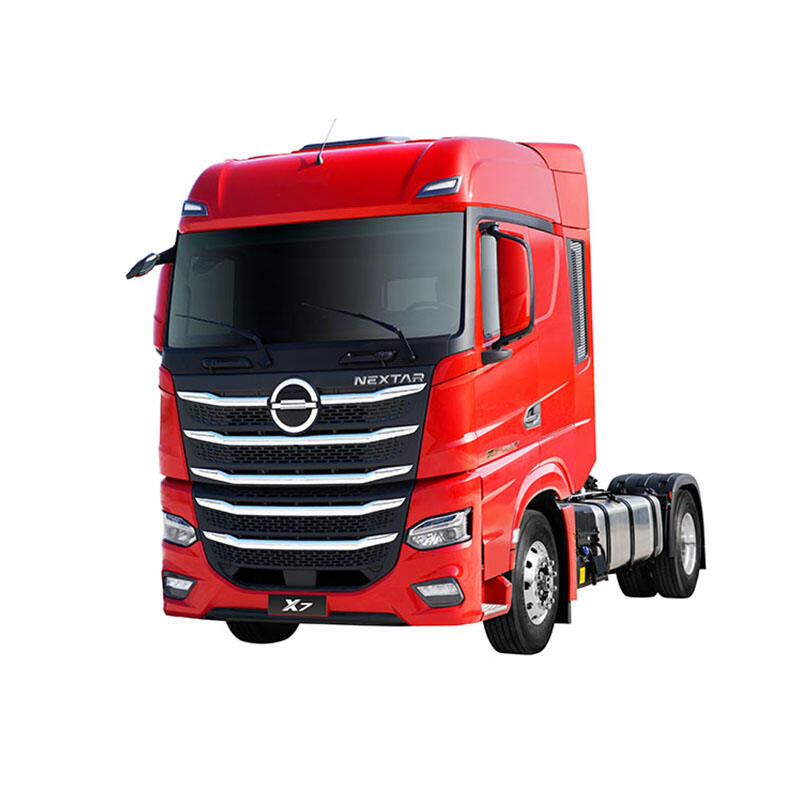
Unmatched Towing Power: Torque, Axle Design, and Low-Speed Control
High-Torque Diesel Engines and PTO-Integrated Pulling Force
Today's tractors come with diesel engines built specifically to deliver maximum torque at low RPMs, often around 40 to 60 percent better than what we see in similar gas-powered machines. This makes all the difference when trying to move those heavy trailers from a dead stop, especially when facing hills that are pretty steep, maybe over 15% grade. The Power Take-Off system works wonders too, sending engine power straight to whatever attachments need it through a separate driveline setup. This cuts down on wasted energy that normally gets lost elsewhere in the system. When running both the tractor and attached implements at the same time, these PTO equipped models keep about 95% of their torque output intact, which is way ahead of regular haulers that usually manage only between 70 and 80%. Such efficient mechanics allow farmers and contractors to haul loads well beyond 12,200 pounds without putting undue strain on the entire drivetrain system.
Heavy-Duty Axle Configurations and Integrated Braking Systems
Triple reduction planetary axles are essential for trailers that need to carry heavy loads safely. These axles spread the weight across several gears which helps maintain proper ground clearance. They can handle impressive weights too, supporting up to 8,500 pounds per axle thanks to those reinforced spindle bearings. When it comes to stopping power, the integrated hydraulic over electric braking system makes a big difference. Trailers equipped with this tech stop about 30% faster than older models without synchronized brakes, especially noticeable when pulling something like a 10 ton load at highway speeds around 20 mph. Another benefit is how these systems prevent dangerous jackknifing during sudden stops. Drivers also appreciate the consistent control going downhill even on moderately steep slopes around 10 degrees, making long hauls much safer overall.
Superior Off-Road Capability: Tractor Traction and Terrain Adaptability
Low Ground Pressure via Flotation Tires and Articulated Suspension
Farm tractors stay planted in muddy or bumpy fields thanks to smart weight management across their frame. Those big flotation tires we see out there have wider contact points and run at much lower air pressure than regular tires. This setup cuts down on how hard they press into the earth by around 40 percent, which means less damage to the soil structure and fewer problems when moving heavy loads through cropland. Combine this with an articulated suspension system that lets each wheel move independently, and the tractor can handle rough terrain better. The shocks get absorbed instead of transmitted straight to the operator, and all four drive wheels stay in contact with the ground even when older models would just spin helplessly in place.
All-Terrain Traction on Slopes, Mud, and Unpaved Surfaces
When dealing with steep slopes (over 15 degrees), muddy terrain, or loose dirt roads, modern tractors maintain their grip through several clever engineering solutions. These include torque vectoring systems that distribute power smartly, deep treads designed specifically for rough conditions, and various traction enhancement features. For instance, some tires have self cleaning lugs that actually throw off mud while rotating. Others come equipped with differential locks which stop wheels from spinning when stuck on wet or icy hillsides. Proper weight distribution is also critical since it keeps those driving wheels firmly planted on the ground. According to recent field tests, these improvements give tractors about 28 percent better traction compared to traditional rigid frame vehicles operating on unpaved surfaces. This makes a big difference in reducing problems like wheel slippage, wasted fuel consumption, and equipment downtime at construction projects, logging operations, and agricultural areas hit by floods.
Total Cost of Ownership and Versatility: Why Tractors Outperform Dedicated Haulers
Multi-Use ROI: Farming, Construction, and Hauling in One Platform
One tractor can handle multiple jobs on farm fields, construction sites, and when moving heavy loads around - no need to buy all those specialized machines separately anymore. With different attachments, these tractors switch between tasks pretty quickly. Farmers save money this way too. Some studies show people cut their equipment costs by about 40% compared to buying dedicated gear for each job. But there's something important here about picking the right attachments. Operators need to think carefully about what they actually need for their specific work instead of just adding every possible gadget available. Too many extra attachments just end up costing more money down the road without really making things faster or better in practice.
Lower Maintenance, Fuel, and Lifecycle Costs vs. Heavy-Duty Trucks
Tractors deliver lower total cost of ownership (TCO) across three core areas:
| Cost Factor | Tractors Advantage | Heavy-Duty Trucks Disadvantage |
|---|---|---|
| Maintenance | Simpler mechanical designs enable faster, less labor-intensive repairs | Complex systems increase diagnostic time and labor hours |
| Fuel Efficiency | Optimized low-RPM torque delivery reduces consumption | Higher-revving engines consume 15–20% more fuel under comparable loads |
| Durability | Industrial-grade components are built for sustained off-road duty | Highway-optimized parts degrade faster in rugged, low-speed applications |
Wheeled configurations further reduce lifecycle expenses—they cost 30% less to manufacture than tracked alternatives and require no specialized maintenance infrastructure. Over a decade, these advantages translate to cumulative savings exceeding $740,000 per unit, according to Ponemon Institute's 2023 agricultural equipment TCO analysis.
FAQ
What is the advantage of using a high-torque diesel engine in tractors?
A high-torque diesel engine delivers maximum power at low RPMs, significantly enhancing the tractor's ability to move heavy loads from a stationary position, especially on steep inclines.
How do integrated braking systems benefit tractors?
Integrated hydraulic over electric braking systems enhance safety by significantly reducing stopping distances and preventing jackknife accidents during abrupt stops.
Why are flotation tires important for farm tractors?
Flotation tires distribute the weight of the tractor over a larger area, minimizing soil compaction and improving the tractor's ability to traverse muddy or uneven terrains.
How do tractors offer a lower total cost of ownership compared to heavy-duty trucks?
Tractors have simpler mechanical designs, better fuel efficiency at low RPMs, and industrial-grade components that are more durable in off-road settings, reducing maintenance costs and improving longevity.