 EN
EN

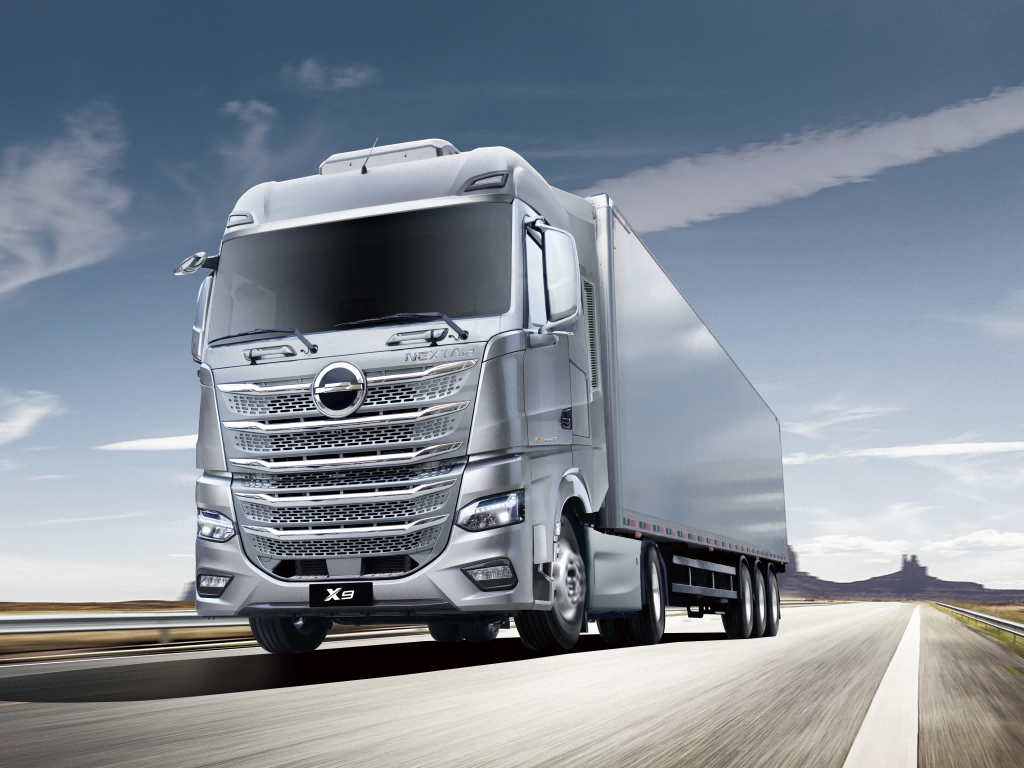
Match Fleet Truck Class and Specifications to Core Operational Demands
Selecting the Optimal Fleet Truck Class (1–7) by Payload, Terrain, Duty Cycle, and Regulatory Requirements
Picking the correct fleet truck class can save money in the long run by avoiding expensive mistakes. The seven different classes are basically determined by their gross vehicle weight rating, or GVWR for short. Classes 1 through 3 work well for those lighter delivery jobs around town, whereas Classes 4 to 7 handle tougher stuff like construction work or hauling goods across country. Getting the payload right is super important too. If the truck isn't big enough for what needs to be carried, there's real risk of damaging the vehicle and facing fines from regulators. But going too big just burns through extra fuel and costs more upfront when buying new equipment. Terrain makes a difference too. Trucks driving up hills or on rough ground need engines that produce more torque along with better cooling systems. Those vehicles stuck in traffic all day benefit from stronger brakes and transmissions built to last longer between repairs. There are also legal aspects to consider. Drivers operating Classes 6 and 7 usually need special Commercial Driver's Licenses, plus there are emission rules that vary by location. Take California's Advanced Clean Trucks program or the EPA's Tier 4 Final standards as examples. Utility companies looking for something versatile without needing specialized licenses often find Class 5 trucks (weighing between 16,001 and 19,500 pounds) strike a good middle ground between carrying capacity and being able to maneuver easily.
Avoiding Costly Mismatches: How Undersized or Overbuilt Fleet Trucks Increase Fuel Spend, Maintenance Frequency, and Unplanned Downtime
When specs go wrong, operating costs go way up. Trucks that are too small end up working harder than they should, which wears down transmissions, suspensions, and axles much quicker than normal. We're talking about components failing up to 30% faster and needing maintenance twice as often. On the flip side, trucks built too big drag around extra engine power and weight that aren't needed for everyday jobs. These overkill vehicles burn about 18% more diesel each year just doing lighter work, kind of like sending a big rig to handle what a smaller truck could do easily. Either way, these mismatches lead to unexpected downtime problems. Overloaded trucks get pulled over for inspections and sometimes can't even continue running until fixed. Underused equipment sits idle, eating up money without bringing in enough returns to justify the investment. Getting the right truck class makes all the difference though. Companies see around a 22% drop in overall costs when specs match actual needs. This happens mainly because fuel consumption drops, parts last longer between services, and major breakdowns become less frequent. Before locking in specs, it pays to look at real driver records, telematics info from GPS systems, and detailed route maps rather than relying solely on old average numbers.
Calculate and Minimize Total Cost of Ownership for Every Fleet Truck
Beyond Sticker Price: Modeling TCO with Real-World Data on Depreciation, Fuel Efficiency, Maintenance Intervals, and Uptime ROI
Looking at Total Cost of Ownership (TCO) gives fleet managers a much clearer picture of what truck ownership really costs over time, not just when they first buy them. When companies factor in things like how vehicles lose value over years on the road, actual fuel expenses based on real loads and terrain (service fleets usually spend around 15 to 24 cents per mile), how often maintenance happens compared to how much the trucks are actually running, and what kind of money gets lost every hour the trucks sit idle, they get much better numbers to work with. These real world factors form the backbone of any good TCO calculation.
| Component | Impact & Measurement Focus |
|---|---|
| Depreciation | Resale value decline tracked by age, mileage, and utilization intensity |
| Fuel Efficiency | Measured per mile under representative load, grade, and idle profiles |
| Maintenance Intervals | Correlated with engine hours, brake cycles, and diagnostic fault history |
| Uptime ROI | Quantified as lost revenue per downtime hour versus asset utilization rate |
Fuel and maintenance collectively account for 60–75% of lifetime fleet costs—making them the highest-leverage levers for margin improvement. Telematics-driven data collection transforms TCO from a static estimate into a dynamic, continuously refined forecast.
Data-Guided Lifecycle Decisions: Identifying the Optimal Fleet Truck Replacement Window Using Performance Thresholds and Cost Triggers
Replace vehicles based on performance—not calendar time. Establish objective, data-driven triggers such as maintenance costs exceeding $0.10 per mile, fuel efficiency falling below 6 MPG under typical loads, or diagnostic fault codes increasing by 40% year-over-year. Fleet managers who adopt these thresholds:
- Avoid catastrophic failures by retiring assets before major powertrain or chassis degradation
- Achieve 15–25% higher resale values by selling ahead of steep depreciation cliffs
- Reduce lifecycle costs by 12–18% through disciplined, predictable rotation
Cross-reference age, mileage, repair history, and utilization rates to identify underperforming units. High-mileage, high-idle routes typically optimize replacement at 5–7 years; light-duty, low-utilization units may remain cost-effective through 8–10 years. This approach eliminates reactive replacements while sustaining peak asset productivity.
Leverage Strategic Upfitting to Boost Driver Efficiency, Safety, and Fleet Truck Utilization
Task-Optimized Upfitting: Integrating Tools, Telematics, and Ergonomic Cab Configurations into the Fleet Truck
When done right, strategic upfitting turns regular fleet trucks into specialized workhorses designed for maximum efficiency. The addition of modular storage compartments saves about 15 minutes per job setup and keeps tools from rolling around dangerously inside the truck bed. Installing telematics equipment right from the start instead of adding it later makes all the difference for ELD compliance, helps drivers find better routes on the fly, and sends warnings when potential collisions are detected. Improving ergonomics in the cab area matters too. Suspension seats, adjustable pedals and steering wheels, plus controls that make sense where they're placed cut down on mistakes caused by tired drivers by roughly 22%. These changes also help prevent back injuries and other musculoskeletal problems that account for nearly one third of all avoidable workplace accidents according to OSHA data from last year.
| Upfit Component | Impact on Efficiency | Safety Benefit |
|---|---|---|
| Compartmentalized Tool Storage | Reduces job setup time by 15% | Prevents loose equipment hazards |
| Integrated Telematics | Lowers fuel waste by 12% through route optimization | Enables collision avoidance alerts |
| Ergonomic Cab Kits | Decreases fatigue-related errors by 22% | Minimizes musculoskeletal injury risk |
When aligned with core workflows, upfitting delivers a 9:1 ROI—not only through reduced downtime and insurance premiums but also via measurable gains in first-time fix rates and driver retention (Transportation Safety Council 2023).
Improve Fleet Truck Availability Through Predictive Maintenance and Intelligent Assignment
Condition-Based Preventive Maintenance: Scheduling Service Using Real-Time Fleet Truck Usage and Health Data
Instead of sticking to fixed maintenance schedules based on the calendar, condition-based preventive maintenance works differently. It relies on real time data from vehicles themselves to determine when service is needed. Modern cars come equipped with all sorts of onboard sensors that keep an eye on things like engine temps, how thick the oil has become, how much brake pads are worn down, battery levels, and even subtle vibrations throughout the car body. All this information gets sent to smart systems powered by artificial intelligence which can spot problems long before they become serious issues. The system doesn't just send random alerts either. Notifications happen only when actual signs of wear show up, such as strange noises coming from the crankshaft area or changes in coolant chemistry. This approach lets mechanics fix things while there's still time, preventing breakdowns that could leave drivers stranded.
Getting this right cuts down on unexpected breakdowns somewhere between 30 to 50 percent while making parts last longer overall. Take oil changes as a good example they happen only after lab tests show the oil has lost its viscosity, not just because some random mileage number gets hit on the odometer. What does all this mean? Companies typically see around 15 to 25 percent less money spent on maintenance each year, plus vehicles stay operational on the road much more consistently. Mechanics can concentrate their efforts where problems actually exist, which makes their work time far more productive and keeps them from wasting hours on unnecessary repairs. The whole approach transforms what was once seen as an expensive necessity into something that actually boosts equipment reliability across the board.
FAQ
Why is it important to choose the right fleet truck class?
Selecting the correct fleet truck class is crucial for cost-efficiency. The wrong choice can lead to increased fuel consumption, faster wear and tear, and potential regulatory fines. Matching the truck class to specific operational needs ensures compliance, optimizes fuel use, and reduces unnecessary expenses.
What factors should be considered in minimizing the Total Cost of Ownership (TCO) for fleet trucks?
Minimizing TCO involves considering depreciation, fuel efficiency, maintenance intervals, and uptime ROI. It's essential to use real-world data to accurately gauge these factors, as they significantly affect overall costs over the vehicle's lifecycle.
How can strategic upfitting enhance fleet efficiency and safety?
Strategic upfitting enhances efficiency and safety by integrating modular storage, telematics, and ergonomic configurations into fleet trucks. This reduces setup time, improves navigation, minimizes collision risks, and lowers driver fatigue, thereby boosting productivity and safety.
What is condition-based preventive maintenance?
Condition-based preventive maintenance uses real-time data from vehicle sensors to determine when maintenance is needed, rather than relying on fixed schedules. This approach reduces unplanned breakdowns, extends part longevity, and results in significant maintenance cost savings.
Table of Contents
- Match Fleet Truck Class and Specifications to Core Operational Demands
- Calculate and Minimize Total Cost of Ownership for Every Fleet Truck
- Leverage Strategic Upfitting to Boost Driver Efficiency, Safety, and Fleet Truck Utilization
- Improve Fleet Truck Availability Through Predictive Maintenance and Intelligent Assignment
- FAQ