 EN
EN

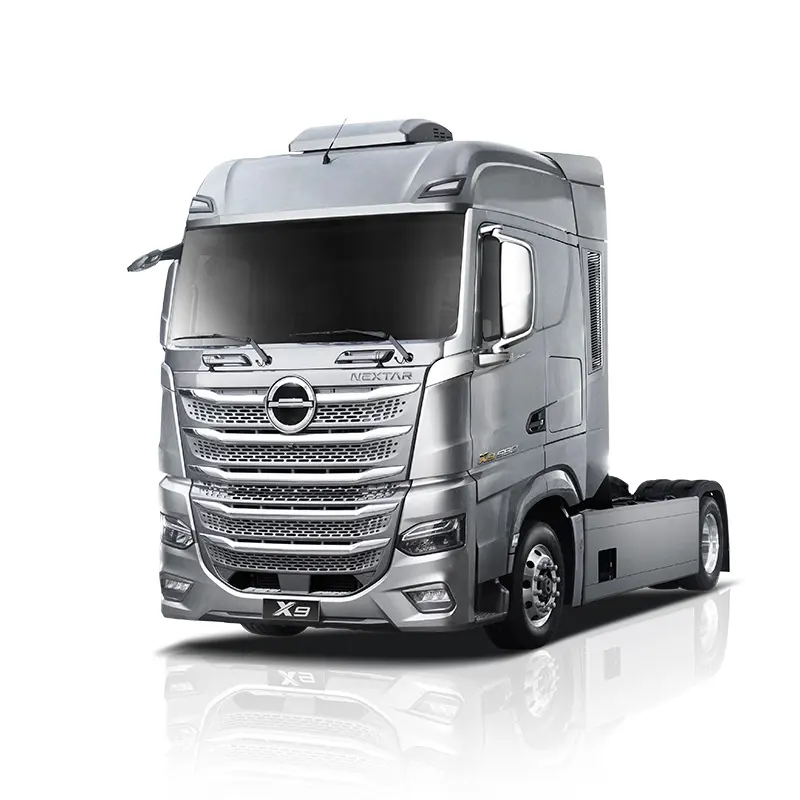
What Is a Tractor Head and Why It's Indispensable for Heavy-Duty Hauling
Core mechanical functions: coupling, power transmission, and driver-centric control
The tractor head, sometimes called a prime mover, serves as the main power source for pulling semi-trailers around. What makes these vehicles stand out is their fifth wheel coupling system that attaches securely to all sorts of trailers in standard ways. These machines pack serious power thanks to their high torque engines paired with specially designed transmissions. This setup keeps things running smoothly whether hauling heavy loads uphill or navigating flat stretches. The driver gets plenty of comfort too with cabs designed for ergonomics and dashboards that are easy to operate, making those long road trips just a little less exhausting. When we separate the part that does the driving from where the goods sit, there are real benefits. Weight spreads better across the vehicle, makes turning easier especially when roads get rough or space tight, and fixing problems becomes much simpler compared to those old style trucks where everything was bolted together permanently.
Enabling trailer interchangeability and fleet scalability across logistics operations
Tractor heads act like versatile power units that give companies real flexibility when it comes to moving freight around. With standard connectors on board, drivers can switch out different types of trailers pretty fast these days containers, tankers, flatbeds, even those special purpose ones sometimes in just a few minutes flat. The whole point is being able to grow operations simply by grabbing another trailer instead of buying new tractors, which cuts down both what companies spend upfront and how many vehicles sit unused in parking lots. A recent report from the American Trucking Associations looked at this exact thing back in 2023. They found that trucking companies using this approach saw their tractor usage jump by about 30 percent compared to others. That kind of boost makes entire transportation networks much more adaptable when market conditions change unexpectedly.
Key Tractor Head Specifications That Define Heavy-Haul Capability
Axle configurations (6x4 vs. 8x4): balancing traction, payload, and regulatory compliance
How many axles a truck has basically determines what kind of work it can do. Most big haulers go with the 6x4 setup, which means three axles total with two driving wheels at the back. This arrangement spreads weight nicely across roads and highways without breaking any of those strict axle weight rules that governments have put in place everywhere. Then there's the 8x4 option too, where four axles are used but only two actually power the vehicle forward. These trucks handle really heavy loads over 40 tons much better, plus they stick to the road surface when conditions get slippery or icy. According to some research from the Heavy Transport Efficiency Institute, these 8x4 rigs cut down wheel slippage by around 27% when climbing hills or driving through gravel. When picking between different axle configurations, fleet operators usually focus on three main things first: getting as much cargo loaded legally according to local laws like the FMCSA standards in America or similar European regulations, keeping tires properly gripped during bad weather conditions, and making sure their vehicles don't cause unnecessary damage to bridges and other road structures over time.
Engine power, torque, and drawbar pull benchmarks for sustained high-mass transport
Getting good performance when hauling at full capacity requires really careful work on powertrain specs. Most modern heavy duty tractor trucks put out around 2500 Newton meters of torque, which is pretty much necessary just to get those max weight combos moving. Their engines usually hit about 500 horsepower or more so they can keep going at highway speeds like 55 miles per hour even when pulling vehicles weighing up to 80 thousand pounds. When talking about hills, what matters most is something called drawbar pull. This basically measures how much pulling power actually gets transferred to the trailer. Trucks that generate about 44 thousand pounds of drawbar pull can climb sustained 8 percent grades without slowing down. The torque converters and smart gear shifting systems help maintain speed when going uphill, and there's also extra power built in to protect against too much strain on the drivetrain. According to data collected by fleet operators through the Commercial Vehicle Safety Alliance, these kinds of specs tend to result in roughly 19 percent fewer unexpected driveline problems after five years on the road.
Tractor Head Applications Across Specialized Heavy-Haul Scenarios
Optimizing tractor head selection for container, tank, low-bed, and oversized loads
Getting the right tractor head for the job matters a lot when it comes to keeping things safe, running operations smoothly, and staying within legal boundaries. For container work, shorter wheelbases make all the difference. These rigs can turn on a dime and give drivers better sight lines, which is absolutely essential in those crowded port areas and intermodal facilities where space is at a premium. Tanker transports tell a different story altogether. They need special torque control systems and integrated brakes to handle the sloshing around of liquids inside those tanks while speeding up or slowing down. Low bed trailers present their own challenges too. The fifth wheel has to sit higher than normal, frames need extra reinforcement, and braking must be carefully balanced because these rigs carry really tall, heavy loads that can tip over if not handled properly. When dealing with oversized or unusual cargo, companies typically go for tractors with multiple axles like 8x4 setups or ones with steerable tag axles. These configurations spread weight across more points, something regulators care deeply about. Everyone follows guidelines set out by agencies such as the FHWA for permits related to oversized freight.
When it comes to getting the most out of operations, the numbers speak for themselves. According to the Transport Efficiency Report from 2023, matching tractor specs to what's actually being hauled can slash fuel use by as much as 18 percent while cutting down on cargo handling time by about 22%. This kind of efficiency matters a lot in industries where timing is everything. Take perishable goods transportation for instance, or when moving heavy construction machinery across sites. Even small delays here can throw off entire schedules and land companies in breach of contract situations. The report highlights how these operational tweaks make real world differences beyond just paper savings.
Safety, Reliability, and Driver Support Systems in Modern Tractor Heads
Integrated safety tech (EBS, ESC, AEB) and fatigue monitoring for long-haul resilience
Modern tractor units come equipped with multiple layers of safety tech aimed at tackling those pesky accidents that keep happening with big rigs. Take Electronic Braking Systems for instance. These bad boys coordinate the brakes between the tractor and trailer down to the millisecond, which can cut stopping distance by around 30% compared to older ABS systems. Then there's Electronic Stability Control working behind the scenes to fight off rollovers and those dreaded jackknife situations when someone swerves suddenly or strong winds hit. And let's not forget about Automatic Emergency Braking either. This system combines radar and cameras to spot things ahead like stopped cars or slow moving objects, then slams on the brakes automatically if the driver doesn't react fast enough. According to tests done by NHTSA, all these fancy features together have managed to bring down preventable collisions by roughly 40%. Pretty impressive stuff considering how dangerous commercial driving can be.
AI fatigue monitoring works alongside active safety systems by looking at things like how much the steering wheel moves around, how often someone blinks, and where their head is positioned while driving. These real time observations help spot when drivers start getting sleepy and send out warnings that get progressively stronger. When we combine self driving features with technology that supports driver alertness, it cuts down on accidents caused by humans making mistakes and keeps trucks on the road longer without unexpected breakdowns. Fleet operators receive all sorts of performance information through integrated telematics systems. This lets them schedule maintenance before problems happen, which actually makes parts last about 25 to 30 percent longer according to tests done by Volvo Trucks in their 2022 study on long haul reliability.
FAQs
What is a tractor head?
A tractor head, also known as a prime mover, is the main power source used for pulling semi-trailers, serving key mechanical functions such as coupling, power transmission, and control.
How do tractor heads enhance logistics operations?
Tractor heads provide flexibility with trailer interchangeability, enabling companies to scale operations easily and adapt swiftly to market changes.
What are the different axle configurations in tractor heads?
Common axle configurations include 6x4 and 8x4 setups, each offering unique benefits in traction, payload balance, and compliance with regulatory standards.
How do modern tractor heads improve safety on the road?
Modern tractor heads are equipped with integrated safety systems like EBS, ESC, and AEB, alongside AI fatigue monitoring to enhance long-haul resilience.