 EN
EN

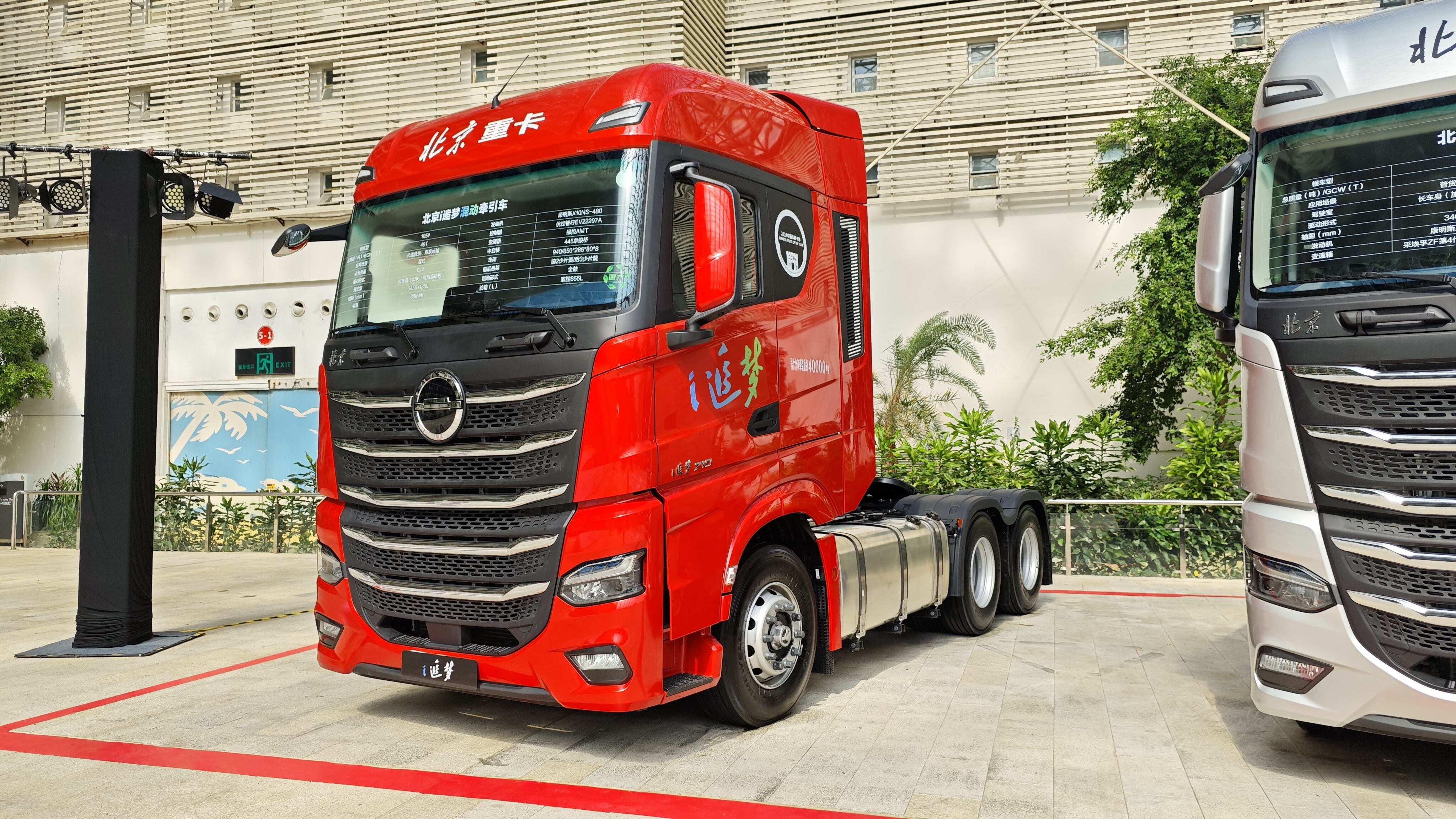
Fuel Savings: How Hybrid Trucks Reduce Operating Costs Across Duty Cycles
20–40% Fuel Economy Gains in Urban Stop-and-Go Delivery
Hybrid trucks really cut down on fuel costs when they're used for deliveries in cities where there are so many stops and starts throughout the day. When these trucks slow down, their regenerative braking system actually grabs some of that moving energy that would normally just turn into heat and waste, then turns it back into electricity that can be used again later. At the same time, electric motors take over for those slower speeds below about 30 kilometers per hour. This combination of technologies means that hybrid trucks use around 20 to maybe even 40 percent less diesel than regular trucks do, particularly bad traffic situations or when drivers have to keep stopping to load and unload goods repeatedly. What makes this tech work so well is exactly those kinds of routes with lots of stops packed close together, something traditional trucks struggle with because they end up wasting tons of fuel just sitting there idling between stops and constantly accelerating from a standstill.
Comparative Efficiency: Delivery Vans vs. Regional Haul Hybrid Truck Commercial Vehicle Applications
Fuel efficiency gains vary across commercial vehicle applications due to operational differences:
| Vehicle Type | Typical Fuel Savings | Primary Efficiency Drivers |
|---|---|---|
| Urban Delivery Vans | 25–40% | Regenerative braking, electric low-speed operation, reduced idling |
| Regional Haul Trucks | 10–20% | Engine-off coasting, optimized powertrain management |
Stop and go traffic is where delivery vans really shine when it comes to saving money on fuel costs because hybrid systems can capture so much wasted energy during those frequent stops. For regional hauls that spend most of their time on highways, the savings aren't as dramatic since there's less opportunity for regenerative braking. Still, even on these longer trips hybrids tend to beat traditional diesel engines thanks to better aerodynamics and less wear on the powertrain when climbing hills or navigating grades. Most fleet operators find that putting hybrid vehicles on city routes gives them the best return on investment simply because these vehicles work best exactly where they're needed most in dense urban areas with constant starting and stopping throughout the day.
Lower Maintenance Costs: Regenerative Braking and Reduced Engine Wear in Hybrid Trucks
Extended Brake Life and Component Longevity in High-Frequency Commercial Use
The brake maintenance costs for hybrid trucks drop quite a bit thanks to their regenerative braking systems. When the truck slows down, the system captures kinetic energy and turns it into stored power instead of relying solely on friction brakes. Urban delivery companies that stop constantly see around 60 to 75 percent fewer brake pad changes when switching from regular diesel trucks. The rotors last roughly 2 to 3 extra years under heavy usage conditions. Plus, the electric motors help out during acceleration which means less strain on the engine overall. This cuts back on oil changes by about 30 percent and reduces wear on timing belts too. All these factors combined bring down yearly maintenance bills by somewhere around $4,700 per vehicle and keep the drivetrain components working longer without needing replacement.
Eliminating Idling Costs with Battery-Powered Ancillary Systems
Zero-Idling Savings During Driver Rest and Overnight Stops
One big money saver for truckers comes from hybrid technology cutting down on fuel wasted during required rest periods. Most diesel rigs burn around four gallons per day just sitting there running air conditioning and powering electronics during those mandated ten hour breaks drivers have to take. With battery-powered systems handling all the electrical needs instead of keeping the engine running, what used to be dead time now actually saves cash. The reduced idling means less strain on engines too, plus no more constant draining of starter batteries that leads to premature replacements. Fleets making overnight stops see even bigger benefits since these systems cut out over a thousand hours of pointless engine running each year, which really adds up when looking at overall expenses across an entire fleet.
Total Cost of Ownership: 5-Year TCO Advantage of Hybrid Trucks for Commercial Fleets
Hybrid Truck vs. Diesel and BEV: Depreciation, Fuel, and Maintenance Breakdown
Hybrid trucks deliver a 5-year Total Cost of Ownership (TCO) reduction of 18–25% compared to diesel equivalents and offer compelling advantages over BEVs in mixed-duty applications. Key drivers include:
- Fuel efficiency: 30% less consumption than diesel in urban routes
- Maintenance: 25–40% lower costs than conventional trucks, primarily due to regenerative braking
- Depreciation: 15% higher residual value than BEVs at the 5-year mark
- Infrastructure: No charging station investments required
| TCO Factor | Hybrid Truck | Diesel | BEV |
|---|---|---|---|
| Fuel/Energy | $42,000 | $60,000 | $28,000 |
| Maintenance | $18,000 | $30,000 | $15,000 |
| Depreciation | $35,000 | $40,000 | $50,000 |
| 5-Year Total | $95,000 | $130,000 | $93,000 |
Source: Heavy Duty Fleet TCO Analysis 2024
BEVs show lower energy costs but incur higher upfront expenses and accelerated depreciation. Hybrid configurations avoid the $50,000–$150,000 per-vehicle charging infrastructure investments required for electric fleets.
Duty Cycle–Driven Payback: When Hybrid Configuration Delivers Fastest ROI
Urban delivery fleets that make lots of stops typically see their investment in hybrid trucks paid back within two to three years. The regenerative braking system grabs around 20 to 30 percent of the energy normally lost when slowing down, which cuts down on fuel expenses especially during those constant start-stop situations we all know too well. Even for longer trips covering 200 to 500 miles, hybrid models continue to beat traditional diesel engines by roughly 12 to 18 percent when looking at total cost of ownership thanks mainly to less stress on the engine components. A recent report from Fleet Electrification in 2024 shows that these hybrids actually offer quicker returns on investment compared to other options for companies dealing with both city streets and highways. Battery electric vehicles just aren't ready yet for many mixed route scenarios because their limited range creates headaches and extra spending for fleet operators.
FAQ
Why are hybrid trucks more fuel-efficient in urban areas?
Hybrid trucks excel in urban areas due to their regenerative braking systems that capture energy from frequent stopping and starting, reducing fuel waste. Additionally, electric motors take over at lower speeds, which significantly cuts diesel consumption compared to traditional trucks.
How do hybrid trucks lower maintenance costs?
Hybrid trucks reduce maintenance costs through the use of regenerative braking systems that decrease wear on brake components and electric motors that lessen engine strain, leading to fewer oil changes, reduced timing belt wear, and longer brake and rotor life.
What are the Total Cost of Ownership (TCO) benefits of hybrid trucks?
The TCO benefits of hybrid trucks over a 5-year period include reduced fuel consumption, lower maintenance costs due to advanced braking systems, no need for charging infrastructure, and generally better depreciation rates compared to battery electric vehicles.
Are hybrid trucks a better investment than BEVs for mixed-duty applications?
For mixed-duty applications, hybrid trucks often present a better investment than BEVs due to their adaptability to both urban and extended route scenarios, faster ROI, and avoidance of costly charging infrastructure investments.
What duty cycles offer the fastest ROI with hybrid trucks?
Urban delivery routes with frequent stops usually offer the fastest ROI for hybrid trucks, generally seeing payback within two to three years due to significant fuel and maintenance savings.
Table of Contents
- Fuel Savings: How Hybrid Trucks Reduce Operating Costs Across Duty Cycles
- Lower Maintenance Costs: Regenerative Braking and Reduced Engine Wear in Hybrid Trucks
- Eliminating Idling Costs with Battery-Powered Ancillary Systems
- Total Cost of Ownership: 5-Year TCO Advantage of Hybrid Trucks for Commercial Fleets
-
FAQ
- Why are hybrid trucks more fuel-efficient in urban areas?
- How do hybrid trucks lower maintenance costs?
- What are the Total Cost of Ownership (TCO) benefits of hybrid trucks?
- Are hybrid trucks a better investment than BEVs for mixed-duty applications?
- What duty cycles offer the fastest ROI with hybrid trucks?