 EN
EN

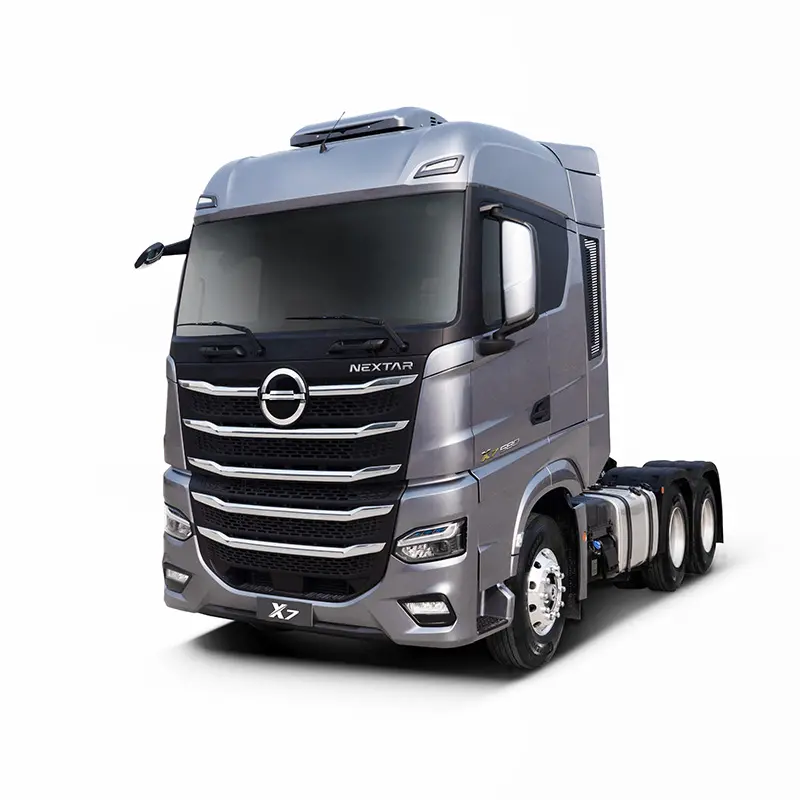
Why Electric Trucks Excel in Urban Driving Conditions
Instant Torque and Responsive Acceleration for Stop-and-Go Traffic
Electric trucks can hit their max torque right from a dead stop, which means no more waiting for that annoying turbo lag we get with diesel engines. Urban driving is tough enough as it is, and city drivers typically have to slow down over fifty times each day at red lights, crosswalks, and when stopping at intersections. The way these electric vehicles deliver power makes all the difference when trying to merge onto busy roads, work through roundabouts, or just get moving again after being stopped. Studies show trips take about 15 to 20 percent less time overall compared to regular diesel trucks. Plus, the fine control of the electric motors really helps when maneuvering around narrow city streets and back alleys. And since there's so much stopping and starting in cities, this tech actually saves energy instead of wasting it every time the brakes are applied.
Regenerative Braking: Energy Recovery That Boosts Efficiency on Short Urban Routes
Stop and go traffic in cities triggers regenerative braking dozens if not hundreds of times each day. This system grabs about 15 to 20 percent of the vehicle's kinetic energy when slowing down and turns it back into battery power. Fleet managers tell us their vehicles get anywhere from 25 to 50 extra miles on a single charge while operating in urban areas, which means longer range without needing any special infrastructure upgrades. The mechanical brakes last way longer too since wear drops over half, so we replace pads less often and spend less time in shops for maintenance. Add in those overnight charges at depots and what happens? We create this kind of circular efficiency where energy saved during the day tops up what was charged at night. Operational costs drop around 30 percent overall, and delivery trucks can run silently and emission-free even in neighborhoods where noise regulations are strict.
Operational Fit: Matching Electric Truck Capabilities to Urban Delivery Demands
Duty Cycle Alignment—How Typical Urban Routes Maximize Electric Truck ROI
Most city delivery trucks run about 100 miles or less each day while making lots of stops along the way. This kind of driving pattern actually works really well for electric trucks. They stop wasting fuel when sitting at traffic lights or intersections, and they can even recharge their batteries a bit during braking maneuvers. Electric trucks have far fewer components compared to traditional diesel engines, which means mechanics spend less time fixing them. Fleet operators report around 30% lower maintenance bills based on information from the US Department of Energy's Clean Cities initiative. Since urban routes tend to follow similar patterns day after day, battery life gets maximized without worrying about running out of charge halfway through deliveries. The return on investment happens pretty quickly too. Many companies find themselves getting back the extra money spent on electric trucks within just three to five years because of all the savings from cheaper fuel, less repairs needed, and overall lower operating expenses.
Fleet Electrification Strategy: When to Prioritize Electric Trucks Over Hybrid or ICE Alternatives
Electric trucks deliver the strongest value proposition for fixed urban routes with consistent daily mileage under 150 miles and reliable access to depot-based charging. Three key factors signal readiness for full electrification:
- Route predictability: Vehicles return nightly to centralized depots, enabling scheduled charging
- Regulatory pressure: Low-emission and zero-emission zone mandates in cities like London, Paris, and Los Angeles
- Payload consistency: Medium-duty applications (e.g., last-mile parcel delivery) under 10,000 lbs
Hybrid or internal combustion engine (ICE) alternatives remain appropriate for irregular long-haul routes exceeding 200 miles or regions lacking sufficient charging infrastructure. Fleet managers should use telematics data to identify candidates with optimal duty cycles—particularly last-mile delivery vans—before scaling electrification efforts.
Real-World Range, Charging, and Infrastructure Considerations for Urban Fleets
Urban Route Realities vs. Electric Truck Range: Why 150–200 Miles Is Often More Than Sufficient
Most urban delivery trucks only cover around 50 to 70 miles each day according to recent industry research which found that nearly nine out of ten workdays actually stay under 70 miles driven. Electric trucks today typically have ranges between 150 and 200 miles as rated by the EPA, giving drivers plenty of extra mileage to handle unexpected traffic jams, detours, or those extra energy demands from things like refrigeration systems. The extra range means companies don't need to worry about stopping halfway through their shifts to recharge batteries, particularly since most can simply plug in at night after completing their routes.
Charging Strategy Optimization: Depot-Based Overnight Charging as the Standard for Urban Electric Trucks
Most urban delivery trucks come back to their home base every single night, which makes centralized depot charging pretty logical. The North American Council for Freight Efficiency reports that around 96% of commercial vehicles follow this pattern. AC Level 2 chargers take between six to twelve hours to charge, so they fit right into those long overnight breaks when trucks aren't running. This means companies don't have to spend extra money on public charging stations anymore. A big logistics company in North America cut down their charging costs per vehicle by about 40% once they switched to this depot charging approach. What's great about it is how much easier it makes managing energy usage overall. Plus, it helps balance out power loads better when using renewable energy sources, and there's just less complicated infrastructure needed compared to other options.
FAQ Section
What is regenerative braking in electric trucks?
Regenerative braking captures kinetic energy during deceleration and converts it back into battery power, enhancing efficiency and extending range.
How far can electric trucks typically travel on a single charge?
Electric trucks usually have a range between 150 and 200 miles, which is more than enough for most urban delivery routes.
Why are electric trucks more cost-effective than diesel trucks in urban areas?
Electric trucks reduce operational costs through lower fuel expenses, reduced maintenance needs, and regenerative energy savings.
What factors make an urban fleet ready for electrification?
Key factors include predictable routes, regulatory pressure for low emissions, and reliable depot-based charging infrastructure.