 EN
EN

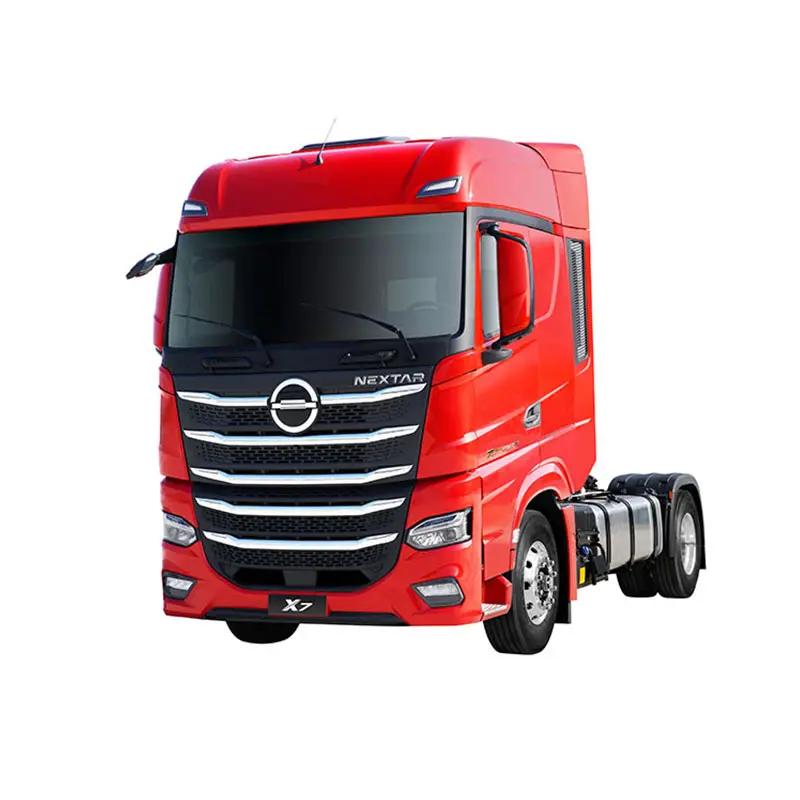
Fuel Efficiency and Total Cost of Ownership Advantages
Hybrid trucks deliver significant operational savings through superior fuel management and infrastructure flexibility. Unlike battery electric vehicles (BEVs), they eliminate charging dependencies while reducing fuel consumption across demanding duty cycles.
20–35% Fuel Savings in Stop-and-Go Urban Logistics
Regenerative braking captures energy during deceleration, converting it to electric power for acceleration–reducing idling fuel waste by 40–60% in delivery routes (Metropolitan Freight Efficiency Report 2024). This translates to:
- 20–35% lower diesel consumption in congested urban environments
- Extended brake life due to reduced friction
- Full compatibility with existing fueling infrastructure
Avoiding $150K–$250K in BEV Charging Infrastructure per Depot
Fleet operators sidestep massive capital expenditures required for BEV transitions:
| Cost Factor | Hybrid Truck Requirement | BEV Requirement |
|---|---|---|
| Depot Infrastructure | Minimal upgrades | $150K–$250K per site |
| Grid Upgrades | None | $80K+ (Fleet Electrification Study 2023) |
| Vehicle Downtime | Zero charging delays | 2–8 hours daily per vehicle |
This preserves operational continuity while delivering immediate emission reductions–a strategic advantage for transitional fleets.
Regulatory Momentum Accelerating Hybrid Truck Adoption
U.S. GHG Phase 3 & EU Ultra-Low NOx Standards Favor Hybrid Powertrains
Recent changes in emissions regulations across the United States and Europe are pushing companies to consider hybrid trucks as viable alternatives. Under the US GHG Phase 3 regulations, manufacturers must cut carbon dioxide emissions from heavy duty vehicles by thirty percent before 2032 arrives. Meanwhile over in Europe, there are these Ultra Low NOx standards that basically demand almost zero nitrogen oxide output from commercial vehicles. What this means for fleet operators is that running old school diesel engines gets increasingly expensive while switching to hybrid models comes with financial benefits via those carbon credit programs. The good news is that hybrid powertrain technology cuts down on harmful NOx emissions by roughly ninety percent when compared against regular diesel engines. Best part? Companies can meet these new requirements right away without having to completely rebuild their existing charging networks from scratch.
CARB’s Advanced Clean Trucks Rule: Hybrid Pathways for Transitional Fleets
The California Advanced Clean Trucks regulation aims for 55 percent zero emission vehicles on the road by 2035, and interestingly enough, it actually classifies hybrid trucks as transitional zero emission vehicles or TZEVs for short. What this means is that trucking companies have some breathing room when it comes to meeting these requirements. They can gradually bring in cleaner options instead of having to switch entirely to battery electric vehicles right away. Hybrid models fit nicely within the different emission reduction levels set by ACT rules, and they manage to slash nitrogen oxide emissions across entire fleets by around three quarters almost instantly. That makes them pretty attractive for local delivery operations where battery powered trucks still struggle with limited range and questions about power grid stability remain. According to projections from state transportation officials, this kind of flexible approach should lead to roughly forty percent more emissions reductions over the next five years than if only pure electric vehicles were required.
Operational Excellence: Hybrid Trucks in Urban and Short-Haul Duty Cycles
400+ Mile Range with Zero Charging Downtime vs. BEV Limitations
Hybrid trucks can run for more than 400 miles straight without needing to stop for charging, something that matters a lot for city deliveries and regional transport jobs. Unlike battery electric vehicles that need long charging breaks, hybrids keep going without all that downtime. This means delivery companies don't have to spend big bucks on expensive charging stations either. What makes these trucks really stand out is their ability to switch back and forth between gas and electricity as needed. They handle those tough stop and start routes in cities much better than pure electric trucks, which often worry drivers about running out of juice halfway through their route.
E-Hoteling Reduction: Lower Idling Emissions and Fuel Use During Deliveries
When drivers take breaks or when cargo is being loaded and unloaded, many hybrid truck systems kick in their e-hoteling feature to cut down on engine idling. This can save around 15% in fuel usage and really helps reduce those pesky particulate emissions right at delivery spots which are such headaches in city areas. Regular trucks just keep burning fuel sitting there doing nothing, but hybrids switch to their batteries instead. The battery power keeps everything running smoothly inside the cab including temperature control and all the electronic systems without making a sound. For fleet operators, this means they stay within emission limits in those strict clean air zones while also saving money on day to day operations costs.
Sustainability Without Infrastructure Overhaul
Hybrid trucks actually start making a difference for the environment right away, and they don't need huge changes to our current infrastructure either. That means companies can go green without tearing everything down first. These trucks work with regular gas stations and repair shops we already have around town, plus they cut down on pollution by somewhere between 20 and 35 percent when driving through cities. For trucking companies trying to keep up with rules from places like California Air Resources Board (CARB), hybrid options are becoming essential. They help businesses stay compliant with those clean truck requirements while also moving them closer to that goal of completely zero emissions across their entire supply chain network.
FAQ Section
What are the fuel savings benefits of hybrid trucks in urban logistics?
Hybrid trucks offer 20–35% lower diesel consumption in congested urban environments, thanks to regenerative braking and reduced idling fuel waste by 40–60% in delivery routes.
What infrastructure costs are avoided by using hybrid trucks instead of BEVs?
Fleet operators using hybrid trucks avoid substantial capital expenditures, such as $150K–$250K in BEV charging infrastructure per depot and additional grid upgrades costing $80K+.
How do hybrid trucks align with recent emissions regulations?
Hybrid trucks help manufacturers meet US GHG Phase 3 regulations and EU Ultra-Low NOx standards without requiring extensive overhaul of existing charging networks.
Can hybrid trucks be considered transitional zero emission vehicles?
Yes, under California's Advanced Clean Trucks regulation, hybrid trucks can be classified as transitional zero emission vehicles (TZEVs), giving fleets flexibility in meeting zero emission vehicle requirements.
How do hybrid trucks perform in urban and short-haul duty cycles compared to BEVs?
Hybrid trucks can run over 400 miles with zero charging downtime, making them ideal for city deliveries. They handle stop-and-start routes better, without the range anxiety associated with BEVs.
Table of Contents
- Fuel Efficiency and Total Cost of Ownership Advantages
- Regulatory Momentum Accelerating Hybrid Truck Adoption
- Operational Excellence: Hybrid Trucks in Urban and Short-Haul Duty Cycles
- Sustainability Without Infrastructure Overhaul
-
FAQ Section
- What are the fuel savings benefits of hybrid trucks in urban logistics?
- What infrastructure costs are avoided by using hybrid trucks instead of BEVs?
- How do hybrid trucks align with recent emissions regulations?
- Can hybrid trucks be considered transitional zero emission vehicles?
- How do hybrid trucks perform in urban and short-haul duty cycles compared to BEVs?