 EN
EN

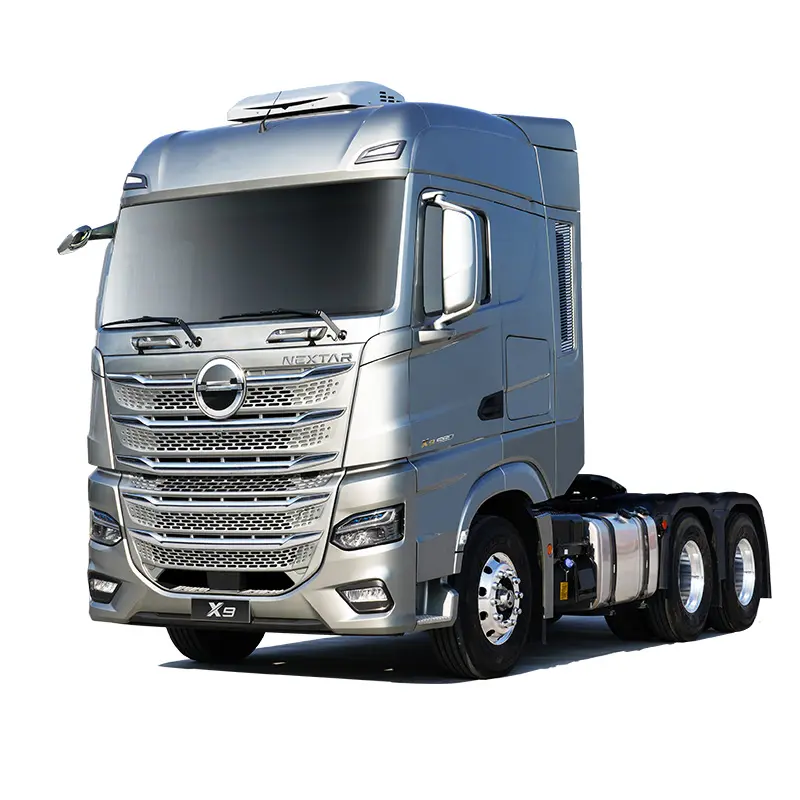
What Is a Tractor Head and How Does It Enable Heavy-Duty Hauling?
Core mechanical function: fifth wheel coupling, kingpin interface, and articulation control
The tractor head is basically the main power source for those big hauling jobs, turning engine power into actual pulling strength via three key mechanical connections. The fifth wheel, which looks like a horseshoe shape attached to the front part of the tractor, locks onto the trailer's kingpin (that metal stick sticking out vertically) to create a solid pivot point. What makes this setup work so well is that it allows around 90 degrees of bending when going around corners, yet still keeps everything structurally sound. Special hydraulics help manage how much pressure gets applied across this connection area, adjusting automatically as roads get bumpy or rough. Without these adjustments, anything over 30 tons would be really unstable. All this careful engineering means the force gets transferred smoothly from truck to trailer without messing up alignment. That's why we see these setups everywhere in container shipping and moving large volumes of goods.
Load transfer dynamics: how the tractor head manages weight distribution and trailer stability
When tractors speed up, hit the brakes, or go uphill, they actually shift around the weight of their trailers to stop them from jackknifing or putting too much stress on any one axle. About a quarter of what a trailer can legally carry gets transferred straight down through that fifth wheel connection point onto the tractor's rear wheels. This smart weight balancing helps keep tires gripping the road better and allows those electronic stability controls to make quick corrections when needed. On bends in the highway, special articulation controls work against centrifugal force by tweaking how pressure spreads across where the trailer connects to the tractor. And when drivers need to stop suddenly, these systems figure out just how hard each set of wheels should brake so everything stays connected properly even when carrying maximum allowed cargo weight according to regulations.
Tractor Head Towing Capacity and Axle Configuration Performance
How axle layouts (6ã—4, 8ã—4, tri-axle) affect legal payload limits, traction, and road compliance
How tractor head axles are configured really affects what these trucks can do operationally when it comes to weight distribution and how they grip the road. Take the 6x4 setup with three axles where two are powered. This configuration manages to carry around 40 to 50 tons worth of cargo while still being pretty good on gas, which makes it great for long hauls on highways without running afoul of those bridge weight formulas that regulators love so much. When manufacturers add an extra axle to make it tri-axle, they spread the weight out over more wheels. This usually lets them legally haul about 15 to maybe even 25 percent more stuff for special jobs, although turning gets trickier. The 8x4 models have double the drive axles, giving them better grip in rough terrain or mountains, but this also means each axle puts more pressure on roads, something transportation departments tend to regulate tightly because of road wear concerns. Suspension systems get fine tuned by manufacturers specifically for these different setups to keep things stable when loads shift around. Trailer sways remain a big problem too. According to accident reports from NHTSA, about one quarter of all serious crashes involving heavy rigs happen because trailers start swaying uncontrollably.
GVWR benchmarks: real-world tractor head capacity range (35–90+ tons) and operational implications
The Gross Vehicle Weight Rating (GVWR) basically tells us what a tractor head can handle operationally, ranging from around 35 tons for regular freight work up to over 90 tons when dealing with specialized transports. Trucks rated below 45 tons give operators plenty of flexibility for local deliveries without needing special permits most of the time. Those in the 60 to 80 ton range are great for moving heavy equipment but come with higher running costs for fuel and maintenance. At the top end of the scale, vehicles rated between 85 and 90+ tons mainly serve industries like mining or construction projects. These big rigs need special setups with multiple axles, careful route planning, and sometimes even police escorts which can bump up operating expenses by about 30%. When it comes to durability, trucks built for 75+ ton loads have much stronger frames made from special alloys to fight off metal fatigue. This means they generally need maintenance checks every 40% longer than standard units. Smart fleet managers always match their GVWR class to what they actually need to carry. Running lighter loads on heavy duty trucks just burns money, while going over weight limits can lead to massive fines upwards of $50k plus serious damage to the drivetrain components.
Engineering for Safety, Stability, and Long-Term Durability
Chassis design, frame reinforcement, and suspension tuning under dynamic heavy-load conditions
The toughness of a tractor head when facing heavy loads comes down to smart structural design. These machines use reinforced steel frames made from high tensile materials that spread out stress points when going around corners or traversing rough ground. Most modern tractors feature multi stage suspension systems with hydraulic components built in. This setup soaks up bumps and vibrations while keeping tires firmly planted on the ground surface. Studies indicate these improvements cut down metal fatigue issues by about thirty percent over traditional models after multiple stress cycles. Getting the right balance of weight between front and rear axles matters too. Good weight distribution stops the frame from bending out of shape over time, which means longer lasting equipment and fewer dollars spent on repairs for every mile driven.
Integrated safety systems: EBS, ESC, and ADAS as standard features in modern tractor heads
Today's tractor models come equipped with three main electronic safety features that have changed farming operations significantly. The Electronic Braking System, or EBS for short, cuts down stopping distances on wet surfaces by almost half thanks to how it distributes braking power across all wheels in real time. Then there's the Electronic Stability Control system which spots when a tractor starts to skid using those wheel speed sensors we've all seen on modern rigs, and then steps in to correct any oversteering before things get dangerous. Farmers also rely heavily on Advanced Driver Assistance Systems these days. These include those handy radar-based warnings when something gets too close, plus alerts if the vehicle drifts out of its lane unexpectedly. According to recent crash data from agricultural equipment manufacturers, tractors fitted with all three of these technologies together cut the chance of rollovers during sudden stops or turns by around two thirds compared to older models without them.
Tractor Head Versatility Across Specialized Heavy-Haul Applications
Tractor heads demonstrate exceptional adaptability across diverse heavy-transport scenarios—particularly in confined operational environments. Their compact maneuverability and tight turning radii enable precise trailer movement in space-constrained areas like port terminals and warehouse complexes. Industry specialists leverage this flexibility to handle varied payloads efficiently:
- Port logistics: Rapid container transfers between cargo vessels, stacking cranes, and inspection zones
- Industrial warehousing: Cross-docking coordination and high-density trailer shuffling
- Construction material transport: Aggregate hauling via dump trailers and steel component delivery on flatbeds
- Specialized cargo: Oversized equipment relocation on low-bed trailers and temperature-sensitive goods in refrigerated units
This operational versatility stems from standardized fifth-wheel compatibility with multiple trailer types, allowing rapid configuration changes without downtime. Operators report 30% faster cargo turnover in terminal operations compared to rigid-truck alternatives—maximizing asset utilization in time-sensitive supply chains.
FAQs
What is the main function of a tractor head?
The main function of a tractor head is to provide the power needed for heavy-duty hauling using mechanical connections such as the fifth wheel and the kingpin interface to transfer engine power into efficient pulling strength.
How does the fifth wheel system in a tractor head work?
The fifth wheel system involves a horseshoe-shaped component on the tractor that locks onto the trailer's kingpin, allowing for pivotal movement and stability, crucial for navigating corners and uneven surfaces.
What are the key benefits of integrated safety systems like EBS, ESC, and ADAS in modern tractor heads?
These systems enhance safety by optimizing braking performance, ensuring stability during maneuvers, and providing advanced monitoring to prevent accidents, thereby reducing rollovers and improving overall operation safety.