 EN
EN

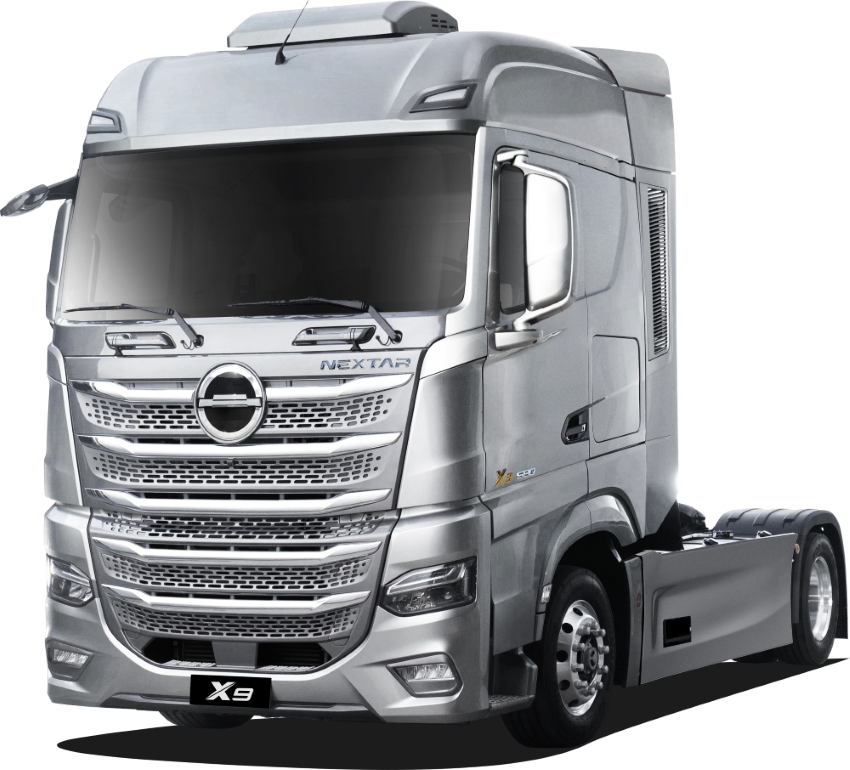
Understanding the Role of a Tractor Head in Fleet Performance
What is a tractor head and why it's critical for logistics efficiency?
The tractor head is basically the front part of a semi truck where all the important stuff lives like the engine, transmission, and where the driver sits. It acts as the main working part for moving goods around commercially. Newer tractors equipped with smarter fuel control tech tend to save somewhere between 15 to maybe even 20 percent on fuel compared to older versions, which obviously helps companies save money overall. How these trucks are built affects several key areas including how much weight they can carry, what roads they can take, and how comfortable drivers find them behind the wheel. These three aspects together account for roughly a third or so of all expenses related to land based shipping operations according to industry data.
Key metrics: How tractor heads impact fuel economy, maintenance, and uptime
The relationship between tractor head selection and fleet efficiency manifests in measurable outcomes:
- Fuel consumption: Aerodynamic designs reduce drag-related fuel waste by 8–12% at highway speeds
- Maintenance costs: Extended 75,000-mile service intervals vs. traditional 50,000-mile schedules
- Operational uptime: Predictive diagnostic systems cut unplanned downtime by 41% in linehaul operations
These improvements create a cascading effect—a 5% gain in fuel efficiency can save $8,100 annually per truck at current diesel prices.
Data insight: Fleets with optimized tractor heads report 27–34% higher utilization rates (American Trucking Associations, 2023)
Recent industry analysis confirms that fleets utilizing performance-optimized tractor heads achieve 19% faster acceleration on grade terrains and 22% shorter braking distances. These enhancements translate to 27–34% higher asset utilization by enabling:
- 12% increase in daily mileage capacity
- 31% reduction in transmission-related failures
- 9% improvement in load-to-empty ratio management
The data underscores why 83% of top-performing fleets now treat tractor head specification as a strategic procurement decision rather than a commodity purchase.
Matching Tractor Head Specifications to Your Operational Demands
Optimizing your tractor head specifications requires aligning technical capabilities with real-world operating conditions. The right configuration directly impacts fuel efficiency, maintenance costs, and payload capacity—three pillars of fleet profitability.
Load Capacity, Terrain Type, and Duty Cycle: Aligning Tractor Head Capabilities With Real-World Needs
Selecting a tractor head without analyzing load requirements is like using a sledgehammer to crack a nut. Operations hauling 45,000+ lbs in mountainous regions need 500+ HP engines and reinforced axles, while urban delivery fleets prioritize maneuverability over raw power. A compatibility factors guide outlines critical considerations:
| Factor | Operational Impact |
|---|---|
| Gross Vehicle Weight | Dictates required axle count (6x4 vs 4x2 configurations) |
| Terrain Slope | 15%+ grades demand 20% more torque reserves |
| Daily Mileage | 600+ mile routes need 80–110 MPH transmission ratios |
Mismatched units cost fleets $21,500 annually in premature wear (Transportation Research Board, 2023).
Engine Power vs. Fuel Efficiency: Finding the Balance for Long-Haul Versus Regional Fleets
Overpowered engines drain profits through excess fuel consumption, while underpowered models accelerate transmission failures. Cross-country operators achieve optimal balance with:
- 13L engines (435–525 HP) for 80,000 lbs interstate loads
- Predictive cruise control systems that reduce idle time by 38%
- Turbo compounding technology reclaiming 50 HP from exhaust heat
Regional fleets report 18% lower fuel costs using downsized 11L engines paired with aerodynamic fairings, according to a fuel efficiency analysis.
Transmission Options: Automated Manual Transmissions (AMTs) and Their Role in Reducing Driver Fatigue and Improving MPG
AMTs eliminate manual gear shifts while preserving 6% better fuel economy than traditional automatics. Their predictive shifting algorithms:
- Reduce clutch wear by 40% in stop-and-go traffic
- Maintain optimal RPM ranges across elevation changes
- Cut driver training time for new hires by 25 hours
Axle Configurations and Weight Distribution Strategies for Maximum Payload Efficiency
A 6x2 tandem axle setup increases payload capacity by 1,200 lbs compared to standard 6x4 configurations through strategic weight redistribution. Forward-mounted lift axles improve traction on wet roads without compromising tire life—a key factor for refrigerated transport fleets.
Fuel Efficiency and Technology Innovations in Modern Tractor Heads
Aerodynamic Design, Low-Rolling-Resistance Tires, and Idle-Reduction Technologies
Modern tractor heads achieve 12–18% better fuel efficiency through aerodynamic enhancements like sloping hoods and integrated side fairings. Low-rolling-resistance tires reduce energy loss by 4–6% compared to standard models, while automated idle-reduction systems cut unnecessary fuel burn during stops.
Telematics Integration: How Real-Time Data Optimizes Speed, Gear Use, and Route Planning
Advanced telematics systems analyze over 120 operational parameters, adjusting gear shifts to maintain optimal RPM ranges. Fleet managers report 9% fuel savings by pairing this data with AI-driven route planning that avoids steep gradients and traffic bottlenecks.
ADAS and Connectivity: Collision Mitigation, Adaptive Cruise Control, and 5G-Enabled Dispatch Optimization
Tractor heads equipped with ADAS (Advanced Driver Assistance Systems) reduce accident-related downtime by 41% (NHTSA, 2023). 5G-connected models allow dispatch centers to reroute fleets in under 200ms during weather disruptions, maintaining fuel-efficient travel speeds.
Case Study: Major Logistics Fleet Achieves 28% Fuel Cost Reduction
A national carrier upgraded 340 tractor heads with predictive cruise control and high-efficiency engines, slashing annual diesel expenses by $4.2 million. Driver coaching via telematics data reduced aggressive acceleration events by 63%, extending brake lifecycles by 22%.
Total Cost of Ownership and Maintenance Strategies
Predictive Maintenance Enabled by Onboard Diagnostics in Modern Tractor Heads
Today's tractor heads come equipped with onboard diagnostic systems that keep an eye on everything from engine performance to transmission condition and emission controls as things happen. According to a report from the American Trucking Associations back in 2023, these modern diagnostic tools catch problems with parts anywhere between 25 and 40 percent sooner compared to what regular maintenance schedules would typically find. That means mechanics get to fix issues when there's already scheduled downtime rather than dealing with unexpected breakdowns. Take vibration sensors for instance they're pretty good at spotting when a driveshaft starts getting out of balance long before it actually causes serious damage to the transmission. Mechanics tell us this early detection can save around $1,200 each time something goes wrong, which adds up nicely over the life of a vehicle.
Extended Service Intervals and OEM Support Networks That Reduce Downtime
Top manufacturers are pushing their maintenance schedules further these days, offering oil changes every 75,000 miles and engine overhauls at 500,000 miles, which is actually twice what we saw back in 2015 models. When combined with genuine OEM service centers that have all those special parts on hand, fleet operators report around 18 percent fewer unexpected breakdowns. Looking at the numbers from a recent 2024 total cost of ownership study, companies saving money through these official service networks saw annual maintenance expenses drop by roughly $8,400 for each tractor compared to going through outside repair shops instead.
Controversy Analysis: Are Proprietary Systems Limiting Third-Party Repair Options and Inflating TCO?
The manufacturers claim their closed loop diagnostic systems keep vehicles running at top performance levels. But according to recent research from the Transportation Research Board (2024), around two thirds of fleet operators actually end up paying more because they can't get into those repair codes themselves. Independent repair shops generally ask for about ninety five dollars an hour while dealership rates hover around one hundred forty five bucks. And here's the catch many companies face warranty requirements force them to bring vehicles back to authorized dealers despite the price difference. Over ten years this adds up to seventeen thousand dollars or more in extra expenses for repairs. Of course, car makers will point out that their special systems cut down on mechanical failures by roughly thirty one percent, which sounds impressive until we factor in what that really costs businesses in practice.
Industry Paradox: Higher Upfront Cost of Fuel-Efficient Models Yields 3-Year ROI Through Diesel Savings
Even though they set back truck owners between twenty eight thousand and thirty five thousand dollars extra compared to regular models, those fancy aerodynamic tractor heads equipped with smart fuel systems manage to get 8.2 miles per gallon while older trucks only hit 6.4 mpg. Looking at the big picture, over around three hundred thousand miles driven, drivers end up saving about twelve thousand five hundred gallons of diesel fuel. At today's going rates, that translates into nearly forty seven grand saved on fuel costs alone. According to research published by a major fleet operator in early 2023, most companies find that these upgraded rigs actually pay for themselves in just under three years when factoring in both lower fuel consumption and reduced maintenance bills across their entire operation.
Driver Retention and Future-Ready Tractor Head Selection
Cab Comfort, Noise Reduction, and Ease of Controls as Indirect Efficiency Boosters
Tractor head designs these days are all about what matters most to drivers themselves, which makes sense when looking at how hard it is to keep good people on the road. The cabs come equipped with better seats that actually support the body, manage to keep noise down under those 65 decibel marks, and have controls laid out so they just make sense to operate. According to research from the American Transportation Research Institute back in 2023, this kind of setup cuts down on driver tiredness by around 40 percent over those long haul trips. For trucking companies struggling with their workforce, keeping seasoned drivers becomes much easier with these upgrades. After all, losing someone who knows the ropes costs money, and right now the industry sees nearly 92% of its drivers leave each year anyway.
How Improved Tractor Head Ergonomics Reduce Turnover and Increase On-Time Performance
Manufacturers implementing ISO 16121-1 compliant ergonomic standards report 31% fewer driver complaints about musculoskeletal issues. Features like air-suspension seats, adjustable steering columns, and voice-activated controls enable drivers to maintain optimal posture during 11-hour shifts. Fleets using these designs achieved 98.6% on-time delivery rates versus 89.4% in traditional cabs.
Fleet Survey: 68% of Drivers Rate Cab Design as Top Job Satisfaction Factor
The Commercial Carrier Journal’s 2022 workforce survey revealed cab quality surpasses salary in driver retention importance. Key differentiators include:
- Multizone HVAC systems maintaining <3°F temperature variance
- 15–20% increased storage capacity for personal items
- Bed accessibility improvements reducing entry/exit injuries by 52%
Future-Readiness: Preparing for Electric and Hydrogen-Ready Platforms
Top original equipment manufacturers are starting to roll out tractor heads that can be easily converted to run on either battery electric or hydrogen fuel cells without needing any changes to the existing chassis structure. Regulations from the California Air Resources Board require that 40 percent of all trucks sold there must produce zero emissions by the year 2035. This means having vehicles that work with multiple fuel types has become absolutely necessary when companies plan their fleets for the coming years. Truck makers who design powertrains that can adapt to different energy sources are seeing their customers adopt these greener alternatives roughly 60 percent quicker than those stuck with just one type of platform. The ability to switch between fuels gives businesses much needed flexibility as they navigate through this transition period toward cleaner transportation solutions.
Comparative Analysis for 30% Efficiency Gains
When evaluating tractor heads for maximum efficiency, consider:
| Feature | Performance Impact | Cost/Benefit Ratio |
|---|---|---|
| Predictive Cruise Control | 7–11% fuel savings | 1:2.8 ROI |
| Lightweight Materials | 4% payload increase | 1:1.5 ROI |
| Hybrid Transmission | 18% urban route improvement | 1:3.1 ROI |
Top-performing models combine aerodynamic drag coefficients below 0.55 Cd with AI-driven gear optimization, achieving the 30% efficiency target through multiple synergistic systems rather than single-component upgrades.
FAQs
What is a tractor head?
A tractor head is the front part of a semi-truck, containing the engine, transmission, and cab where the driver sits. It's crucial for moving goods commercially.
How can a tractor head improve fuel efficiency?
Tractor heads can improve fuel efficiency through aerodynamic designs, predictive cruise control, and efficient engines that reduce drag and fuel consumption.
What are Automated Manual Transmissions (AMTs)?
AMTs eliminate manual gear shifts while preserving fuel economy, reducing driver fatigue, and maintaining optimal RPM ranges.
How do modern tractor heads reduce maintenance costs?
Modern tractor heads come with predictive maintenance systems and extended service intervals that identify issues early, reducing unexpected downtime and repairs.
What factors should be considered when selecting a tractor head?
Factors include load capacity, terrain type, engine power, transmission options, axle configurations, and the ability to adapt to future fuel types.
Table of Contents
- Understanding the Role of a Tractor Head in Fleet Performance
-
Matching Tractor Head Specifications to Your Operational Demands
- Load Capacity, Terrain Type, and Duty Cycle: Aligning Tractor Head Capabilities With Real-World Needs
- Engine Power vs. Fuel Efficiency: Finding the Balance for Long-Haul Versus Regional Fleets
- Transmission Options: Automated Manual Transmissions (AMTs) and Their Role in Reducing Driver Fatigue and Improving MPG
- Axle Configurations and Weight Distribution Strategies for Maximum Payload Efficiency
-
Fuel Efficiency and Technology Innovations in Modern Tractor Heads
- Aerodynamic Design, Low-Rolling-Resistance Tires, and Idle-Reduction Technologies
- Telematics Integration: How Real-Time Data Optimizes Speed, Gear Use, and Route Planning
- ADAS and Connectivity: Collision Mitigation, Adaptive Cruise Control, and 5G-Enabled Dispatch Optimization
- Case Study: Major Logistics Fleet Achieves 28% Fuel Cost Reduction
-
Total Cost of Ownership and Maintenance Strategies
- Predictive Maintenance Enabled by Onboard Diagnostics in Modern Tractor Heads
- Extended Service Intervals and OEM Support Networks That Reduce Downtime
- Controversy Analysis: Are Proprietary Systems Limiting Third-Party Repair Options and Inflating TCO?
- Industry Paradox: Higher Upfront Cost of Fuel-Efficient Models Yields 3-Year ROI Through Diesel Savings
-
Driver Retention and Future-Ready Tractor Head Selection
- Cab Comfort, Noise Reduction, and Ease of Controls as Indirect Efficiency Boosters
- How Improved Tractor Head Ergonomics Reduce Turnover and Increase On-Time Performance
- Fleet Survey: 68% of Drivers Rate Cab Design as Top Job Satisfaction Factor
- Future-Readiness: Preparing for Electric and Hydrogen-Ready Platforms
- Comparative Analysis for 30% Efficiency Gains
- FAQs
- What is a tractor head?
- How can a tractor head improve fuel efficiency?
- What are Automated Manual Transmissions (AMTs)?
- How do modern tractor heads reduce maintenance costs?
- What factors should be considered when selecting a tractor head?