 EN
EN

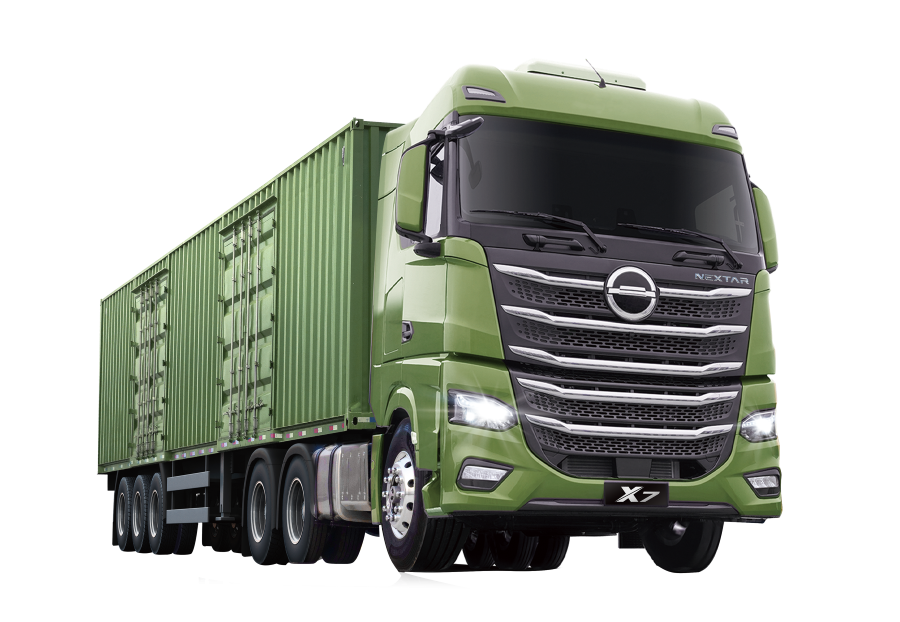
How High-Speed Freight Trucks Reduce Delivery Time
The Impact of High-Speed Freight Truck Models on Delivery Timelines
Today's fast freight trucks slash delivery times thanks to better engines paired with smart route planning tech. Fleet managers report around 23% fewer detours when using AI systems that actively dodge traffic jams as they happen. A recent logistics report from 2024 shows these newer trucks hit an average speed of 68 mph versus just 55 mph for their predecessors, cutting down cross country trips by about 11 whole hours. But speed isn't everything either. The real game changer comes from predictive maintenance tools that keep trucks running smoothly between scheduled stops. This reliability has helped achieve impressive results too, with most deliveries arriving right on schedule at a rate approaching 98%.
How Minimizing Delivery Time Improves Supply Chain Responsiveness
When companies can get products to market faster, they don't need to keep as much inventory on hand but still manage to satisfy customers who want what they want when they want it. Stores that have invested in fast delivery vehicles see about a third fewer empty shelves during busy times because items pass through warehouses nearly 20% quicker than before. The ability to react quickly becomes really important when things go wrong. Take one big chain store for instance they cut down their urgent restocking time by almost a day after upgrading to these specialized delivery trucks. That change saved them around two and a half million dollars worth of sales they would have otherwise lost according to Supply Chain Quarterly last year.
Case Study: Reducing Transit Time by 22% Using Next-Gen Aerodynamics
A logistics company based in Illinois recently put a new truck design through its paces. The vehicle came equipped with specially shaped rear panels and those side skirts that help reduce air turbulence. After logging well over 50 thousand miles on the highways, tests showed these changes actually cut wind resistance by around 18 percent. That meant drivers could maintain speeds of about 70 miles per hour without pushing their engines too hard. When paired with better scheduling for when drivers changed shifts, the whole package made quite a difference. Travel times between Chicago and LA dropped from 51 down to just 40 hours flat. That's roughly a 22 percent boost in efficiency while still managing to keep fuel expenses under what most companies typically spend.
Fuel Efficiency Breakthroughs in Modern Freight Truck Design
Engine Innovations and Hybrid Powertrains for Lower Fuel Consumption
Today's freight trucks come equipped with all sorts of fancy engine tech like variable valve timing and cylinder deactivation features that help burn fuel more efficiently. When it comes to hybrid setups, these trucks combine electric motors with traditional diesel engines, cutting down on wasted fuel during those long periods when the truck is just sitting idling in city traffic. Some studies show this can save around 40% of fuel costs for delivery companies according to the Department of Energy report from last year. Looking at real world examples, the SuperTruck II project managed to boost freight efficiency by almost triple what standard models achieve. They did this mainly through better engine tuning and clever systems that capture and reuse heat that would otherwise go to waste.
Aerodynamic Design and Lightweight Materials to Improve MPG
Streamlined designs can reduce aerodynamic drag by 22%, according to a 2022 NACFE study. Aluminum alloy cabs reduce vehicle weight by 1,800 lbs, while side skirts and roof fairings improve fuel economy by 7% at highway speeds. These advancements enable new models to achieve 9.8 MPG, surpassing the industry average of 8.3 MPG.
| Technology | Fuel Savings | Implementation Cost |
|---|---|---|
| Predictive Cruise Control | 5-8% | $2,800 per unit |
| Composite Trailers | 3.2% | $12,000 per trailer |
| Automated Transmissions | 4.1% | $6,500 per vehicle |
Smart Cruise Control and Speed Optimization Technologies
Next-generation adaptive cruise control uses GPS terrain mapping to maintain optimal speeds on inclines, minimizing unnecessary acceleration. Machine learning algorithms analyze traffic patterns to recommend fuel-efficient speeds, reducing urban route fuel use by 15% (Penske Fleet Analytics, 2023).
Data Insight: 18% Average Reduction in Fuel Use With New Models
An analysis of 8,200 long-haul trips found that modern freight trucks consume 18% less fuel than 2019 models. This translates to 6,400 fewer gallons burned annually per truck—equating to approximately $25,600 in annual savings for fleet operators at current diesel prices.
Balancing Speed and Fuel Economy in Long-Haul Operations
The Trade-Off Between High Speed and Fuel-Saving Driving Practices
Going faster cuts down on delivery time but comes at a cost. The Ponemon study from 2023 found that increased speed actually raises aerodynamic drag and can boost fuel consumption as much as 15%. Smart trucking companies have figured out how to walk this line though. Many are installing speed limiters around the 68 to 70 mile per hour range and pairing them with training for drivers. These programs focus on things like gentle acceleration, cutting down on engine idling, and knowing when to shift gears properly. Looking at telematics data from actual operations tells us something interesting too. Companies implementing these strategies typically see their fuel costs drop somewhere between 8 and 12 percent, all while keeping their on time deliveries consistently above 95% most of the time.
Route Optimization and AI-Driven Navigation for Dynamic Efficiency
Modern AI routing systems look at all sorts of live data including traffic conditions, road elevations, and where rest stops are located to make journeys faster while saving gas money. Take this scenario for instance: many navigation apps will actually suggest taking longer flat interstate highways instead of shorter mountainous back roads when traffic gets heavy, which cuts down wasted miles by roughly nine percent and saves about fourteen percent on yearly fuel expenses according to industry reports. What makes these systems so effective? They can predict arrival times based on hills and valleys along the way, quickly find alternative paths around traffic jams without making drivers late for appointments, and even adjust vehicle cruise settings to match what the road looks like ahead of time.
Integration With Regional Distribution Networks for Faster, Smarter Delivery
Operators across the industry are increasingly matching their freight strategies with micro fulfillment centers along with cross docking locations. What does this mean practically? Well, companies have seen about a 22 percent cut in those final delivery miles. Plus they get benefits like combining shipments into single loads, scheduling trucks when traffic isn't so bad, and keeping tabs on what's actually available in stock before sending out shipments. Some recent research from 2024 looked at this setup and found something pretty interesting. Trucks spent around 31% less time just sitting idle waiting for things, while fuel consumption dropped by nearly 20%. That's quite a difference when compared to old fashioned long haul methods where everything gets shipped straight from warehouse to customer without any intermediate stops.
Fleet Modernization: ROI and Barriers to Adopting Efficient Freight Trucks
Why upgrading fleets boosts delivery speed and cuts fuel costs
Today's freight trucks come equipped with better engines and sleeker body shapes that help them slice through the air easier, move goods quicker, and burn less fuel overall. The newer models also have smart maintenance tech built in, which can slash unexpected breakdowns by around 34% according to industry numbers from last year. All these upgrades mean packages get delivered sooner while companies spend less money running their operations. Most trucking firms report saving somewhere between 7 to 12 percent on yearly fuel costs once they've updated their vehicle fleet.
Comparative data: New trucks deliver 15% faster with 12% lower fuel cost
Analysis of 25,000 shipment records from 2024 reveals that modernized fleets achieve:
- 15.2% faster delivery speeds due to torque-boosting hybrid engines
- 12.4% lower diesel consumption through AI-driven speed optimization
- 9.7% reduction in maintenance costs enabled by onboard diagnostics
These gains yield an average annual saving of $18,500 per truck, with modernization costs typically recouped within 31 months based on trucking efficiency studies.
Barriers to adoption and estimated ROI timeline
A lot of operators are holding off on upgrading their fleets even though there are obvious advantages. Around two thirds (about 68%) put these changes on hold because the initial investment is so steep between $115,000 and $185,000 per vehicle plus the fact that many rural areas still lack proper charging stations. For companies that manage to mix government grants with gradual implementation strategies, it usually takes somewhere between 26 to 44 months before they start seeing returns on their investment. But things get complicated for businesses located in areas where the power grid isn't well developed yet these folks might wait as long as 58 months just to break even.
FAQ
What are the benefits of using high-speed freight trucks?
High-speed freight trucks can significantly reduce delivery times, improve supply chain responsiveness, and enhance overall efficiency by using advanced technology and logistics systems.
How do modern trucks achieve better fuel efficiency?
Modern trucks use advanced engine technologies, hybrid powertrains, and aerodynamic designs to improve fuel efficiency, with some achieving up to 18% reduction in fuel use compared to older models.
What are the cost implications of modernizing a freight fleet?
Modernizing a freight fleet requires significant upfront investment, ranging from $115,000 to $185,000 per vehicle. However, the costs are often recouped within 31 months due to savings in fuel, maintenance, and increased delivery speed.
What technological innovations contribute to reduced delivery times?
Technological innovations like AI-driven route optimization, predictive maintenance, and smart cruise control contribute significantly to reducing delivery times for freight trucks.