 EN
EN

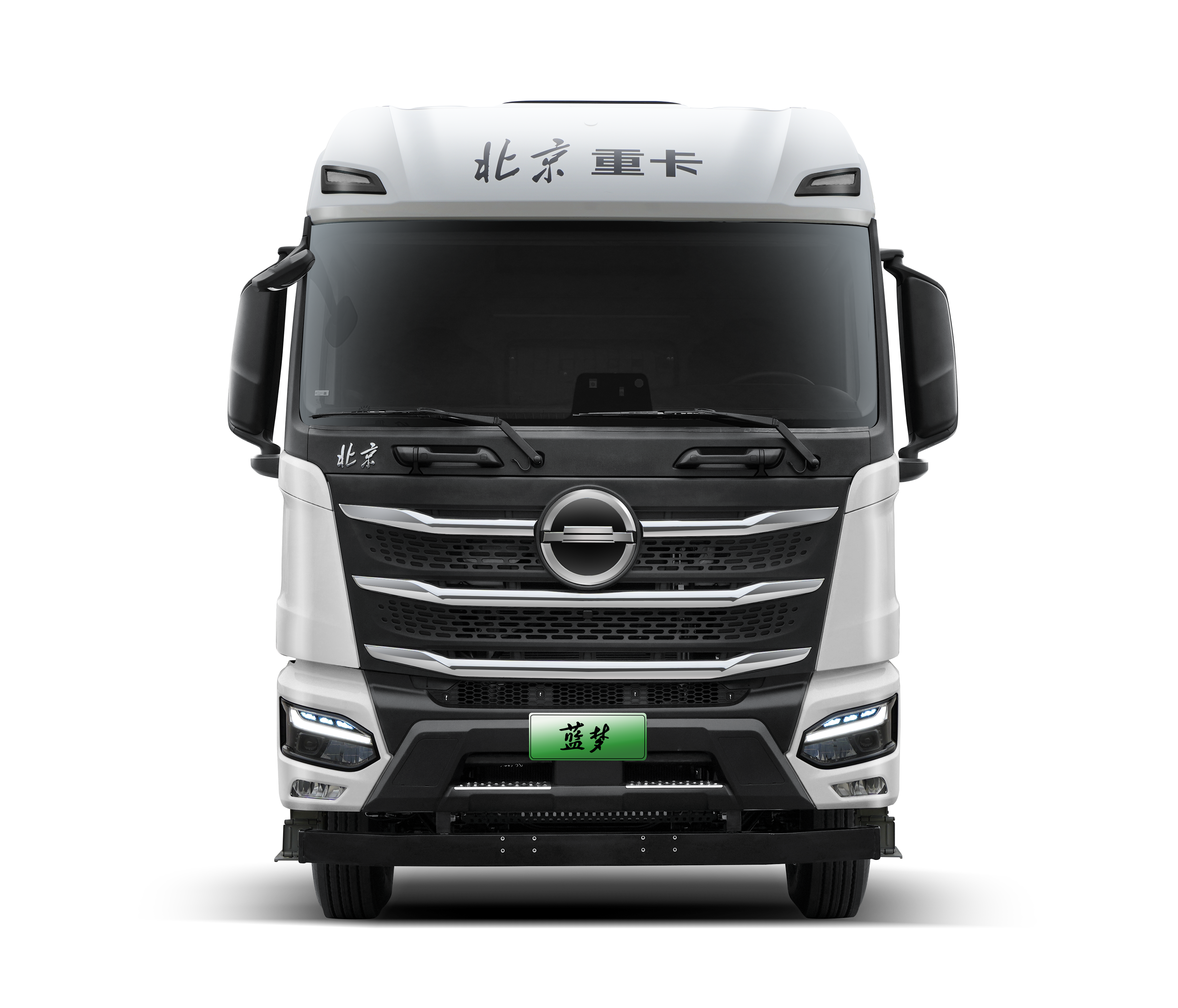
Evaluate Operational Fit: Route, Duty Cycle, and Weight Class Requirements
Analyze GPS-logged duty cycles to assess real-world range needs and urban/regional suitability
When planning electric truck fleet ranges, it really pays off to look at what actually happens on the road. Take a close look at GPS logs from current routes to get a handle on how far trucks travel each day, how much time they spend idling, and those hills that drain batteries so fast these things are super important when figuring out battery sizes. The numbers tell an interesting story too urban deliveries where trucks stop all the time eat up about 15 to 20 percent more power compared to just cruising on highways according to some studies done by the US Department of Energy and CALSTART. For those longer hauls between cities, its wise to go with vehicles that can do at least 25% more than the longest day's drive. Weather conditions change, loads vary, and nobody wants to get stuck somewhere without enough juice left. This kind of thinking based on real world data helps companies avoid buying way too big batteries but still keeps operations running smoothly without surprises.
Match electric truck weight class (Class 6–8) to payload, terrain, and stop-start frequency
Selecting the correct weight class (Class 6–8) ensures your electric truck fleet handles operational demands. Class 6 trucks (19,501–26,000 lbs GCWR) suit urban deliveries with payloads under 12,000 lbs, while Class 7–8 (26,001–33,000+ lbs GCWR) handle heavy regional freight. Consider three key factors:
- Payload consistency: Higher classes maintain usable payload despite battery weight, which can add 3,000–6,000 lbs
- Terrain: Steep grades require 20–30% more torque reserve—verify OEM drivetrain specs against your topography
-
Stop frequency: Regenerative braking recovers up to 25% of kinetic energy in high-stop cycles, improving efficiency and reducing brake wear
Mismatched classes risk premature battery degradation, reduced payload utilization, and diminished ROI.
Compare Electric Truck Models and OEM Capabilities
Key fleet truck specifications: range, charging time, payload capacity, and drivetrain reliability
Looking at electric trucks for the fleet? Focus on these key specs first. Range matters a lot for day-to-day operations. Don't just take what manufacturers say at face value. Real world conditions matter too - heavier loads cut range, and cold weather can slash battery efficiency by around 40%, according to research from Argonne National Lab. Charging speed makes all the difference when it comes to keeping vehicles running. DC fast charging gets most batteries to 80% in about 90 minutes, which beats waiting overnight for AC charging. Cargo space is another big concern. Batteries themselves eat up 10-15% of what traditional diesel trucks can carry, although some regions offer weight allowances that help compensate. Lastly, check out how reliable the drivetrain actually is. Look at independent tests like those from NACFE's Run on Less Electric project, and consider service availability from the manufacturer. Electric systems need less maintenance overall but come with their own set of problems related to high voltage components that mechanics aren't always familiar with yet.
Leading electric truck fleet options: Tesla Semi, Freightliner eCascadia, and Volvo VNR Electric
Big names in truck manufacturing have started rolling out electric fleet vehicles that come with some serious benefits. Take the Tesla Semi for instance it can go around 500 miles on a single charge and drinks electricity at just under 1.7 kWh per mile, making it pretty good for those tough regional deliveries. Freightliner's eCascadia is built for city driving with its 550 horsepower engines and about 250 miles of range before needing a recharge. What makes this model stand out is its built-in telematics system that works seamlessly with most fleet management software solutions already in use by logistics companies. Volvo's VNR Electric offers something different altogether with maximum gross vehicle weight rating reaching up to 44,000 pounds. Plus, its regenerative braking system manages to capture roughly 15% of energy back while navigating those frequent stops common in urban delivery routes. Companies like these aren't just competing on specs they're actually developing distinct technologies from lithium iron phosphate batteries versus nickel manganese cobalt ones, creating their own charging networks, and pushing software improvements remotely to keep trucks performing better over time. For anyone running a fleet operation, comparing these options shouldn't be based solely on what looks good on paper but rather matched carefully against actual route data collected through GPS tracking systems to ensure neither spending too much nor ending up short on capability.
Calculate Total Cost of Ownership and Financial Incentives for Fleet Electrification
TCO comparison: electric truck vs. diesel fleet truck across maintenance, energy, insurance, and residual value
The maintenance costs for electric trucks run about 40 to 50 percent below those of their diesel counterparts mainly because they have simpler drivetrains with far fewer moving parts, says the NACFE's latest TCO report from 2023. When it comes to energy spending, the difference gets really noticeable. Electricity typically costs around four to five cents per mile compared to seventeen cents for diesel fuel. That adds up to over two thousand five hundred dollars saved on fuel each year for vehicles that clock fifty thousand miles annually. Upfront prices still favor diesel models, but there's another angle worth considering. Insurance rates tend to be between seven and fifteen percent cheaper for electric fleet trucks. And looking ahead, residual values for electric trucks should outpace diesel ones by roughly fifteen to twenty percent by the end of this decade as emissions rules get stricter, according to predictions from ACT Research.
Maximize ROI with federal tax credits, state rebates, and utility-driven charging incentives
Businesses can take advantage of the federal Commercial Clean Vehicle Credit which covers around 30% of purchase costs for heavy duty electric trucks, with a maximum benefit of $40,000 per vehicle according to IRS Notice 2023-43. Many companies also combine this federal incentive with state level programs such as California's Hybrid and Zero Emission Truck and Bus Voucher Incentive Project (HVIP) that provides financial support of up to $60,000 for each Class 8 truck. Working with local utilities like Pacific Gas & Electric or Con Edison opens doors to additional benefits including grants for installing charging stations and special incentives when demand is lower. Charging fleets during nighttime hours when electricity demand drops can lead to significant cost reductions too. Some utility companies actually charge as little as three cents per kilowatt hour for overnight charging sessions, according to data from the Edison Electric Institute's 2024 Fleet Electrification Playbook.
Plan Charging Infrastructure and Integration for Seamless Fleet Operations
Good planning for charging stations keeps electric truck fleets running smoothly without interruptions. First things first, look at what each location actually needs. Check how much power the grid can handle, find enough room to install those chargers, and figure out when energy demand spikes throughout the day. Connecting charge management software with current fleet tracking systems makes all the difference. When these systems work together, they create smarter charging schedules based on actual routes and fluctuating electricity prices. The National Renewable Energy Lab found this approach cuts energy bills by around 15 to 30 percent during cheaper off-peak times. For companies looking ahead, going with modular DC fast chargers between 50 and 350 kW makes sense. These setups grow with the business over time and don't require huge initial investments, which is smart for any company trying to balance today's needs with tomorrow's growth.
| Infrastructure Priority | Implementation Consideration | Operational Benefit |
|---|---|---|
| Power Capacity | Utility coordination for service upgrades | Prevents circuit overloads |
| Software Integration | CMS-telematics API connectivity | Dynamic charge scheduling |
| Energy Source Mix | On-site solar + battery storage | Reduces grid dependency |
| Future-Proofing | 400V/800V multi-voltage support | Accommodates next-gen trucks |
Incorporate renewable energy sources where feasible; solar canopy installations at depots can offset 20–40% of charging costs while supporting sustainability targets. Always include contingency planning for grid outages through battery buffers or generator backups to maintain fleet readiness.
Execute a Phased Rollout: Pilot Testing, Training, and Scalable Fleet Management
Start small: pilot 1–2 electric trucks on optimized routes to validate performance and driver feedback
Starting the transition to electric trucks makes sense with a small test run first. Try out one or two EVs on shorter routes under 100 miles where the workday is pretty regular. Urban areas are ideal spots since the constant stopping and starting lets those trucks recapture some energy through regen braking. Plus, most cities already have charging stations available for quick top-ups during lunch breaks. Keep an eye on how well the battery readings hold up in different weather conditions and watch what happens to range when carrying heavy loads versus lighter ones. Get honest opinions from drivers every week using simple questionnaires focused on three main things they care about: how responsive the truck feels when accelerating, whether the charging process is actually user friendly, and if the navigation system works with their usual routes. These initial tests usually reveal needed tweaks like adjusting how batteries warm up before driving or fine tuning the regen settings. According to recent industry research from the American Transportation Research Institute in their 2024 study, companies that do proper testing phases see around 22% quicker returns on investment once they switch to full electric fleets. Don't forget to assemble a working group with people from operations, maintenance crews, and actual drivers who can track what's working and what needs fixing while creating better training guides based on real experiences.
Frequently Asked Questions
What factors should be considered when choosing the weight class for electric trucks?
Consider payload consistency, terrain, and stop frequency. Higher classes maintain usable payload despite battery weight, steep grades require additional torque, and regenerative braking helps recover energy in high-stop cycles.
How do cold weather and heavy loads impact electric truck performance?
Cold weather can reduce battery efficiency by up to 40%, and heavier loads can significantly cut the vehicle's range compared to manufacturer estimates.
What are some financial incentives available for electric truck fleets?
Businesses can take advantage of federal tax credits, state rebates, and utility-driven charging incentives, which cover a significant portion of purchase costs and offer additional benefits like grants for charging stations.
How do electric trucks compare to diesel trucks in terms of total cost of ownership?
Electric trucks generally have lower maintenance and energy costs, insurance rates can be cheaper, and their residual values are expected to increase as emissions regulations tighten.
What is essential for planning charging infrastructure for electric truck fleets?
Assess power capacity, software integration for charge management, energy source mix, and future-proofing to ensure seamless operations and preparedness for next-generation trucks.
Table of Contents
- Evaluate Operational Fit: Route, Duty Cycle, and Weight Class Requirements
- Compare Electric Truck Models and OEM Capabilities
- Calculate Total Cost of Ownership and Financial Incentives for Fleet Electrification
- Plan Charging Infrastructure and Integration for Seamless Fleet Operations
- Execute a Phased Rollout: Pilot Testing, Training, and Scalable Fleet Management
-
Frequently Asked Questions
- What factors should be considered when choosing the weight class for electric trucks?
- How do cold weather and heavy loads impact electric truck performance?
- What are some financial incentives available for electric truck fleets?
- How do electric trucks compare to diesel trucks in terms of total cost of ownership?
- What is essential for planning charging infrastructure for electric truck fleets?