 EN
EN

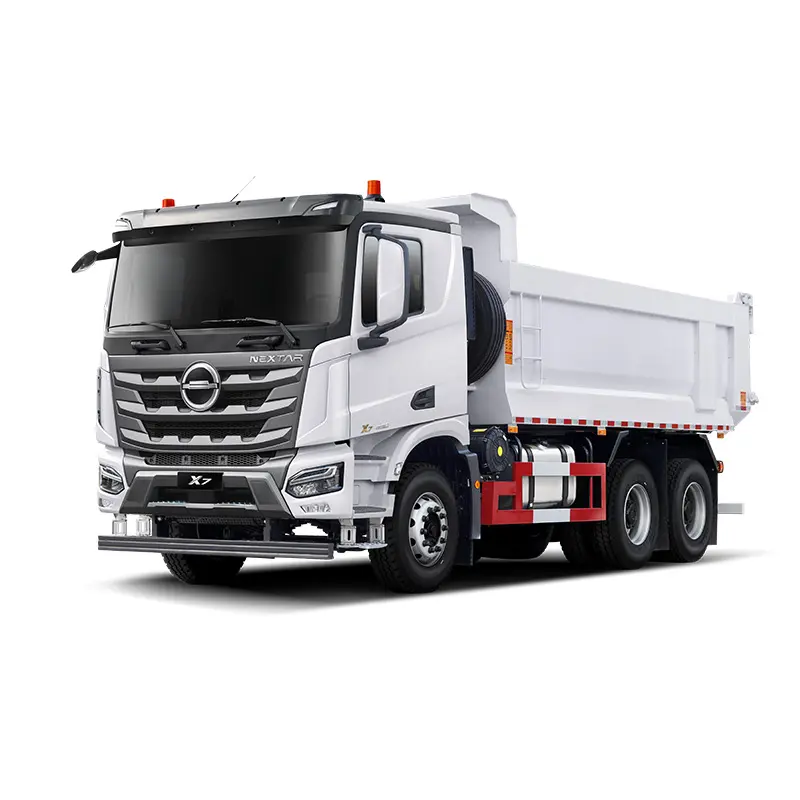
Engine Performance and Thermal Reliability in Heavy-Duty Fleet Trucks
Torque, Horsepower, and Thermal Management in Class 8 Engines
High torque (1,850–2,050 lb-ft) and horsepower (400–600 hp) enable Class 8 trucks to sustain highway speeds with 80,000-lb payloads—even on 6% grades. But this power density pushes thermal limits: cylinder temperatures can exceed 500°F under peak load. Without robust thermal management, engine oil degrades 40% faster, accelerating bearing wear and triggering power derating.
The system tackles this problem effectively. Multi stage turbochargers come with built in charge air coolers that bring down the intake air temp. There are also variable speed electro viscous fan clutches which adjust airflow as needed. And let's not forget about those high flow radiator cores with extra dense fins for maximum heat rejection. When all these work together, they keep coolant temps right around 195 to 215 degrees Fahrenheit even when outside temps hit 120 degrees. This helps maintain good fuel economy and stops unexpected performance drops from happening during operation.
Real-World Uptime Comparison: Cummins X15 vs. Detroit DD15 vs. Volvo D13 in Long-Haul Fleets
Overheating remains a leading cause of unplanned downtime. Analysis of 500,000 service records across long-haul fleets reveals stark differences in thermal resilience:
| Engine Model | Heat-Related Failures/100k miles | Average Repair Downtime |
|---|---|---|
| X15 | 2.1 | 26 hours |
| DD15 | 1.7 | 18 hours |
| D13 | 0.9 | 12 hours |
What gives the Volvo D13 an edge over others is its dual circuit cooling setup where the cylinder head and EGR systems run separately. This design cuts down on those pesky hot spots by about 32 degrees Fahrenheit compared to older single loop models. Throw in some smart predictive software that keeps tabs on how coolant breaks down as it goes, and we're seeing around 97.3% uptime when these engines operate in harsh desert conditions. That's actually about 5% better than what most competitors manage. Looking at thermal reliability through this lens shows it's not merely about making something last longer. For companies shipping perishable goods or other time critical cargo, every extra hour of operation really adds up in terms of business value.
Structural Durability and Component Longevity of Fleet Trucks
High-Strength Steel Frames, Axle Materials, and Suspension System Resilience
The structural integrity of a truck determines how long it will stay on the road before needing major repairs or replacement. Today's modern truck frames are built with special high strength steel alloys that have yield strengths ranging from around 350 to 500 MPa. These materials are specifically designed to handle the immense stresses that come from carrying loads well over 80,000 pounds without warping or breaking down over time. The axles themselves represent another important advancement. Forged from chromium molybdenum steel, they last approximately 40 percent longer when subjected to repeated stress cycles compared to regular steel options according to recent studies published by the American Iron and Steel Institute in 2025. Truck manufacturers also apply triple layer powder coatings to their vehicles which significantly reduces problems caused by rust and corrosion. This makes all the difference for trucks working in areas where road salt is heavily used during winter months. Regional haulers who operate throughout the year especially benefit from these protective coatings. Air ride suspension systems equipped with progressive rate springs help maintain proper wheel alignment even when driving over rough roads and uneven surfaces. This not only improves ride quality but also extends the life of components like universal joints, differential gears, and tire treads by minimizing unnecessary wear and tear.
Case Study: Long-Haul Fleet Performance — Failure Rates and Maintenance Intervals
A national logistics operator extended average service life to 1.2 million miles across 500+ tractors by integrating advanced materials with disciplined maintenance protocols:
- Frame fractures: 0.02% incidence—99% lower than the industry average of 1.7%
- Suspension rebuilds: Extended to 750,000 miles—double the standard interval
- Axle failures: Reduced by 62% using ultrasonic fatigue testing during inspections
Proactive oil analysis every 50,000 miles enabled 97% component reuse during scheduled rebuilds—demonstrating how material science and data-informed servicing compound over time to sustain profitability across 10-year duty cycles.
Advanced Safety Systems as Uptime Enablers for Fleet Trucks
How AEB, LDW, and Predictive Cruise Control Reduce Accidents and Unplanned Downtime
These days, Advanced Driver Assistance Systems (ADAS) go way beyond basic safety functions. They actually help keep vehicles running longer between repairs. Take Automatic Emergency Braking (AEB) for instance. When it senses something coming too fast, it hits the brakes automatically before the driver even reacts. Studies show this system can cut down those frustrating rear-end collisions by around 40% when stuck in stop-and-go traffic situations. Then there's Lane Departure Warning (LDW). Drivers get warnings when they start drifting out of their lane, especially helpful when tired after driving all night. Fatigue is responsible for about 13% of accidents among long haul truckers. And finally, Predictive Cruise Control does some smart things too. Instead of just maintaining a constant speed, it actually changes speeds depending on hills ahead and what other cars are doing nearby. This means fewer sudden stops and starts which wears down parts faster and makes brakes need replacing sooner than expected.
By preventing collisions and mitigating human-factor risks, ADAS directly reduces accident-related repairs, insurance claims, and associated downtime. For fleets where every idle hour represents lost revenue, these systems deliver measurable operational continuity—boosting fleet availability, lowering repair costs, and safeguarding on-time delivery performance.
Predictive Maintenance and Telematics-Driven Fleet Truck Uptime
Oil Analysis, OEM Service Compliance, and AI-Powered Telematics Alerts
Fleet managers are moving away from fixing problems after they happen to catching issues before they break down completely. Real time sensor data lets them spot weird stuff happening in engines long before it turns into major trouble. Checking oil thickness and particles regularly helps catch early warning signs about engine wear. Keeping track of maintenance according to original equipment manufacturer guidelines keeps warranties valid and makes sure repairs happen when needed based on what the factory recommends. Today's vehicle tracking systems collect tons of different data points like how coolant temperatures change over time or unusual vibrations coming from transmissions. These systems run artificial intelligence algorithms built from looking at millions of past breakdown cases. According to McKinsey & Company research, this approach can catch potential problems anywhere between 30 to 50 percent sooner compared to just following regular time intervals or distance driven for maintenance checks.
This precision reduces unplanned downtime by 45% and cuts maintenance costs by 40%, enabling interventions during natural operational pauses—like overnight layovers or weekend depot visits—to maximize asset utilization.
| Predictive Approach | Downtime Reduction | Cost Impact |
|---|---|---|
| AI-driven anomaly alerts | 45% | 25% fewer repairs |
| OEM-guided servicing | 30% | 18% parts savings |
| Oil analysis integration | 37% | 22% less fluid waste |
Embedded IoT sensors track brake pad thickness, battery health, and DEF levels—automatically generating work orders when thresholds are breached. This eliminates guesswork, extends drivetrain lifespan by 22%, and transforms maintenance from a cost center into a strategic uptime lever.
FAQ
What is the importance of torque and horsepower in Class 8 engines?
Torque and horsepower allow Class 8 trucks to sustain high speeds while carrying heavy payloads, which is crucial for maintaining efficiency on steep grades.
How do advanced safety systems like AEB and LDW improve fleet uptime?
Advanced safety systems reduce accidents and unplanned downtime by preventing collisions and mitigating risks associated with driver fatigue and human errors.
Why is predictive maintenance beneficial for fleet trucks?
Predictive maintenance allows issues to be detected and resolved before they lead to significant failures, thereby reducing downtime and maintenance costs.