 EN
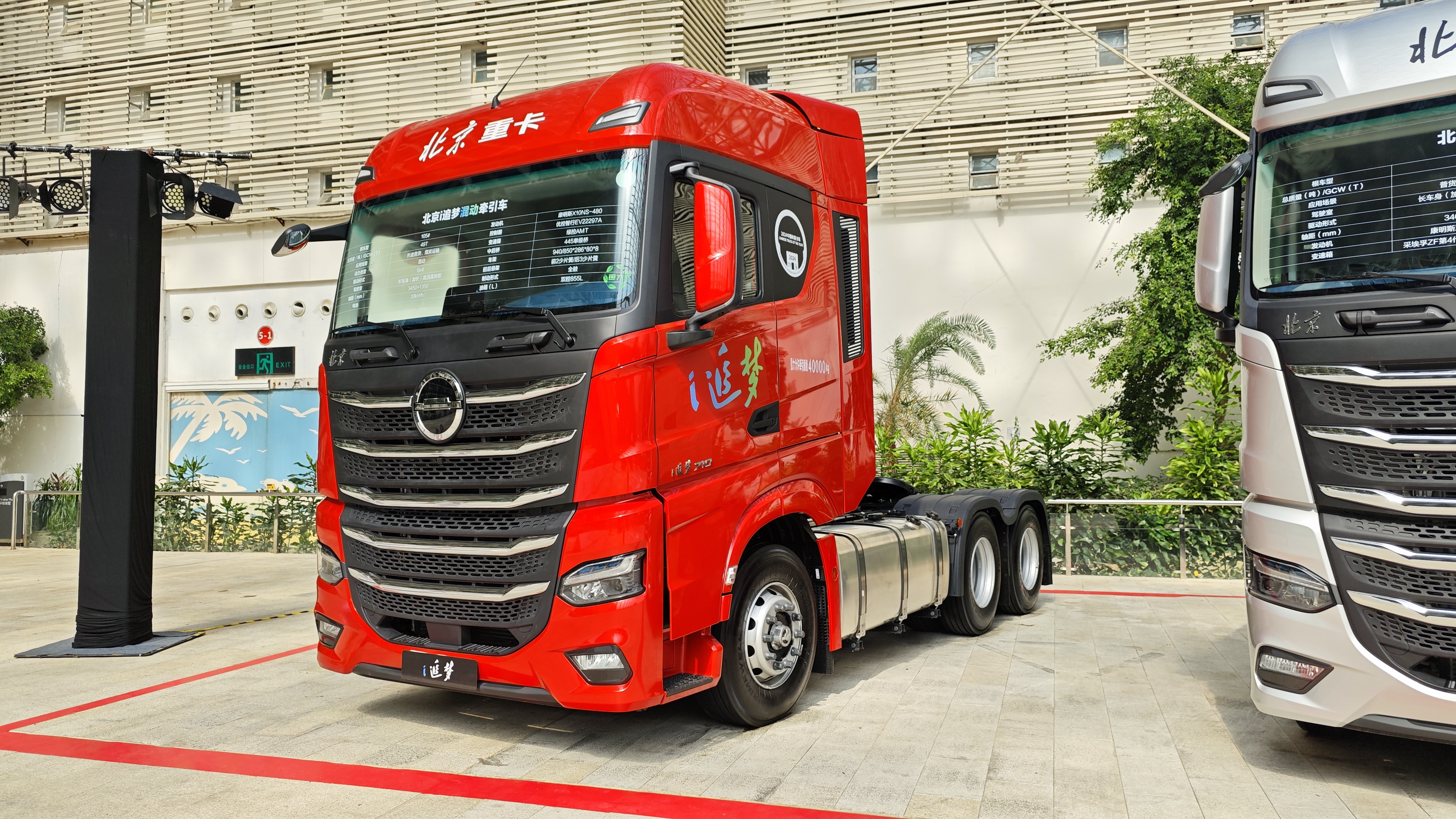
Payload Capacity and Structural Durability for Harsh Mining Environments
Aligning payload rating with ore density, haul distance, and cycle time requirements
Selecting the right payload capacity is critical for mining dump truck performance and longevity. The target payload must align precisely with the density of the extracted material—overloading a truck with dense ore (e.g., iron ore >3 t/m³) strains the frame, accelerates component wear, and increases maintenance costs, while underutilization reduces haulage efficiency. Matching rated capacity to maximum expected ore density—not just average—ensures each load carries near-optimal weight without exceeding structural limits.
Haul distance and cycle time further refine the ideal capacity: on short-haul routes, a slightly lower-payload truck with quicker acceleration can achieve more cycles per hour; on long-distance or steep-grade hauls, sustained speed under full load becomes paramount. A well-matched payload-to-density ratio can improve material moved per hour by up to 15%, directly lowering cost per ton hauled. Fleet managers should model cycle time using shovel pass matching (typically 3–5 passes per truck) and realistic travel speeds to avoid mismatches that leave trucks underused or overstressed. Because ore density varies widely—from loose overburden (~1.6 t/m³) to heavy iron ore—the same payload specification rarely serves all mine phases. Always verify nominal payload ratings against worst-case density conditions to safeguard long-term structural resilience.
Reinforced high-strength steel chassis and abrasion-resistant dump body construction
Mining dump trucks endure relentless mechanical stress—from impact loading during dumping to torsional shock on uneven pit floors. The chassis must be fabricated from high-strength structural steel with reinforced cross-members designed to resist fatigue cracking and maintain integrity across millions of load cycles. Leading manufacturers use advanced grades validated through finite element analysis, and structural assessments by the American Society of Mechanical Engineers (ASME) confirm that ultra-class trucks with robust frame designs extend service life by 50% compared to standard builds (ASME, 2023). This translates directly into fewer unplanned repairs—analysts estimate annual maintenance savings of $500,000–$1 million for large fleets.
Equally vital is the dump body: liners made of abrasion-resistant steel (400–500 HBW hardness) significantly reduce wear from sharp, heavy ores, preventing perforation and spillage. Some suppliers offer lightweight rubber or composite alternatives that cut noise and mass while preserving shell integrity. Together, a reinforced chassis and abrasion-resistant body ensure safe, reliable operation shift after shift—even under extreme payloads—without compromising structural fidelity.
Terrain Adaptability and Powertrain Selection for Reliable Dump Truck Performance
Selecting the right dump truck for a mine site is a decision where underfoot conditions and the drivetrain are inextricably linked. A machine’s ability to navigate the haul route directly dictates its productivity, safety, and longevity. The core of this selection process involves matching the chassis design to the ground underfoot and then pairing it with a powertrain engineered for those specific conditions.
Articulated vs. rigid-frame dump truck designs for steep, unstable, or muddy terrain
The fundamental chassis choice determines operational viability. Articulated Dump Trucks (ADTs), with their pivot-based two-section design, excel where rigid-frame trucks struggle—on steep, unstable, or muddy terrain. Independent articulation allows all wheels to maintain consistent ground contact on rocky, rutted, or soft surfaces, delivering superior traction and reducing immobilization risk. Their tight turning radius also makes them ideal for winding haul roads and confined loading zones.
In contrast, rigid-frame dump trucks prioritize stability and high-speed hauling on well-compacted, flat, or gently graded surfaces. Their fixed chassis and lower center of gravity deliver predictable handling—but become liabilities on uneven ground, contributing to ride discomfort, accelerated tire wear, and elevated rollover risk. Site managers must assess ground conditions year-round: ADTs provide unmatched reliability in variable, soft, or steep terrain, while rigid trucks maximize payload efficiency and fuel economy only on stable, predictable haul paths.
Diesel (Tier 4 Final), electric, and hybrid powertrains: suitability for remote mining operations
Once the chassis is selected, the powertrain must be calibrated to master the terrain’s demands. Tier 4 Final diesel engines remain dominant in remote operations where fuel logistics are mature—and their low-end torque is indispensable for deep-pit haulage with steep gradients. For extreme slopes, auxiliary retarders can be integrated to manage downhill speed and minimize brake wear.
Electric powertrains, particularly trolley-assist systems, are transforming mines with long, steady inclines: they slash fuel consumption, increase uphill hauling speed, and eliminate tailpipe emissions. Hybrid solutions—diesel-electric configurations that deploy engine power on flats and electric boost on climbs—offer a pragmatic middle ground, optimizing energy use across mixed-grade cycles. Crucially, the entire system—engine, transmission, and axle ratios—must be tuned to the mine’s specific start-stop patterns and grade profile to realize these benefits.
Total Cost of Ownership and Maintenance Practicality of Mining Dump Trucks
Lifecycle cost analysis: fuel efficiency, tire longevity, component wear, and downtime impact
Evaluating a dump truck solely on purchase price overlooks the fact that fuel, maintenance, and unplanned downtime typically account for over 70% of total ownership cost. A single hour of unscheduled downtime in a major mining operation can incur production losses exceeding $740,000 (Ponemon Institute, 2023). Procurement strategies must therefore prioritize long-term value over upfront capital expenditure.
Tires represent one of the largest recurring expenses—and their lifespan is highly sensitive to haul road quality, speed discipline, and payload consistency. Optimizing these factors can extend tire life by up to 30%, yielding substantial annual savings. Fuel efficiency is equally consequential: telematics data shows excessive idling and aggressive acceleration can raise consumption by 15–20%. When compounded with progressive wear on structural components and the cascading financial impact of breakdowns—including labor, parts, and production delays—lifecycle costing emerges as the most rigorous and actionable metric for fleet investment decisions.
Technology Integration and Future-Proofing Your Dump Truck Fleet
Telematics compatibility, OEM fleet management support, and autonomous-ready dump truck platforms
Modern dump trucks equipped with integrated telematics—combining GPS, real-time sensor data, and onboard diagnostics—deliver continuous insights into location, fuel use, engine health, and driver behavior. According to World Bank infrastructure research, smart fleet management systems leveraging this data can reduce fuel consumption by up to 15% and maintenance costs by 20% (World Bank, 2022). OEM fleet management platforms enhance this capability with centralized dashboards for predictive maintenance scheduling, parts inventory tracking, and behavioral analytics—extending equipment life and minimizing unplanned downtime.
Increasingly, leading manufacturers offer autonomous-ready chassis pre-wired for lidar, radar, and AI processing units—enabling semi-autonomous haulage in controlled zones. These platforms support retrofittable autonomy kits, allowing phased adoption while preserving resale value. Investing in trucks with open-architecture telematics, strong OEM software update support, and air-gapped autonomous hardware ensures long-term adaptability—a decisive advantage when bidding for contracts on modern, technology-driven mining sites.
FAQs
Why is it important to match payload capacity with ore density?
Aligning payload capacity with ore density ensures that mining dump trucks operate efficiently without overloading, which can lead to structural strain, increased maintenance, and reduced service life.
What are the key factors to consider when choosing between articulated and rigid-frame dump trucks?
Articulated dump trucks are better suited for steep, unstable, or muddy terrains due to their flexibility and superior traction. In contrast, rigid-frame trucks are ideal for flat, well-compacted surfaces and high-speed operations.
How does telematics benefit mining dump truck fleets?
Telematics provides insights into fuel usage, engine health, and driver behavior, helping to reduce fuel consumption and maintenance costs while improving overall operational efficiency.
What are the advantages of using electric or hybrid powertrains in mining operations?
Electric powertrains reduce fuel consumption, offer higher uphill hauling speeds, and have zero tailpipe emissions. Hybrid powertrains provide a balance between diesel and electric systems, optimizing energy use across various terrains.
How can fleet managers reduce total cost of ownership for mining dump trucks?
Fleet managers can reduce costs by optimizing fuel efficiency, extending tire life, using telematics for predictive maintenance, and focusing on lifecycle costing rather than upfront costs.
What materials are ideal for dump truck chassis and bodies?
High-strength structural steel is best for chassis to ensure durability, while abrasion-resistant steel or lightweight composites are ideal for dump bodies to minimize wear and tear.
Table of Contents
- Payload Capacity and Structural Durability for Harsh Mining Environments
- Terrain Adaptability and Powertrain Selection for Reliable Dump Truck Performance
- Total Cost of Ownership and Maintenance Practicality of Mining Dump Trucks
- Technology Integration and Future-Proofing Your Dump Truck Fleet
-
FAQs
- Why is it important to match payload capacity with ore density?
- What are the key factors to consider when choosing between articulated and rigid-frame dump trucks?
- How does telematics benefit mining dump truck fleets?
- What are the advantages of using electric or hybrid powertrains in mining operations?
- How can fleet managers reduce total cost of ownership for mining dump trucks?
- What materials are ideal for dump truck chassis and bodies?