 EN

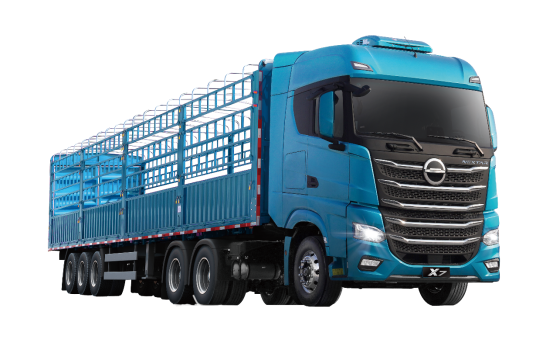
Electric Truck Adoption Slashes Scope 1 Emissions in Global Logistics
Well-to-Wheel Carbon Advantage: Why Electric Trucks Outperform Diesel Abroad
Scope 1 emissions — direct greenhouse gases from owned vehicles — drop to zero when a diesel truck is replaced by an electric model. But the full carbon picture requires a well-to-wheel analysis, which includes upstream energy production. In Europe, for example, a heavy-duty battery-electric truck emits approximately 0.3 kg CO₂ per kilometer, compared to roughly 1.2 kg for a comparable diesel unit — a 75% reduction, per the 2024 International Council on Clean Transportation (ICCT) study. Where renewables supply over 60% of electricity, that advantage widens to 85%. These gains compound as grids decarbonize further. Unlike diesel engines — whose combustion efficiency has plateaued — electric trucks benefit from continuous improvements in battery chemistry, motor efficiency, and charging infrastructure. That structural advantage translates into long-term compliance resilience and cost stability, insulating fleets from volatile fuel prices and tightening global emission standards.
Real‑World Impact: DHL’s Germany–Poland Corridor Achieves 37% Lower Operational Carbon Costs in Year 1
A year-long pilot by DHL on its high-volume Germany–Poland corridor demonstrated tangible carbon-cost savings from electric truck deployment. By operating electric trucks on fixed-route runs, the company measured total operational carbon cost — aggregating energy costs (diesel fuel or grid electricity), embedded carbon pricing, maintenance, and depreciation. Scope 1 emissions were eliminated outright. Overnight charging leveraged the grid’s low-carbon night-time mix, keeping per-kilometer electricity-related emissions about 60% below the diesel baseline. When all factors were consolidated, the operational carbon cost per tonne-kilometer fell 37% versus the diesel fleet — despite higher vehicle acquisition costs. The corridor now serves as a replicable blueprint for cross-border routes, proving zero-emission trucks can resolve the traditional cost-carbon trade-off. With rapid expansion of high-power charging along European highways, this outcome is increasingly attainable for other logistics operators seeking fast, scalable decarbonization.
Electric Trucks Mitigate Regulatory Carbon Penalties Across Key Markets
Navigating Euro 7, UK Clean Air Zones, and Japan’s Green Growth Strategy with Zero-Emission Fleets
Electric trucks provide a direct, actionable path to avoid escalating regulatory penalties in major markets. Under the EU’s CO₂ performance standards for heavy-duty vehicles, fleets face excess emissions premiums of €4,250 per gram of CO₂ per tonne-kilometer above the reference target — a liability fully eliminated by zero-emission electric trucks, which produce no tailpipe CO₂. In the UK, urban Clean Air Zones impose daily charges on diesel trucks: £100 for heavy goods vehicles entering London’s Ultra Low Emission Zone (ULEZ) and £50 in Birmingham — fees electric trucks avoid entirely. Japan’s Green Growth Strategy reinforces this shift, targeting full electrification of new vehicle sales by 2035 and exploring carbon pricing mechanisms that would further disadvantage diesel. By deploying electric trucks, overseas fleets convert regulatory risk into measurable cost avoidance — reducing not only penalty payments but also the administrative burden of emissions tracking and reporting. This proactive alignment strengthens eligibility for public tenders and sustainability-linked contracts, where low-carbon logistics are now mandatory criteria.
TCO Optimization: When Electric Trucks Deliver Faster ROI for Overseas Operations
Urban Distribution Hubs in the Netherlands and South Korea Achieve <3‑Year Payback via Energy & Maintenance Savings
Electric truck adoption in dense urban logistics networks is delivering faster total cost of ownership (TCO) payback — now under three years in leading markets like the Netherlands and South Korea. ICCT data confirms that medium- and light-duty battery-electric trucks have already reached TCO parity with diesel counterparts, driven primarily by lower energy and maintenance costs. In Rotterdam, for instance, a typical electric delivery truck consuming 90 kWh per 100 km at €0.15/kWh incurs energy costs of €0.135 per km — versus €0.45 per km for a diesel truck burning 25 L/100 km at €1.80/L. Over an annual distance of 40,000 km, that alone delivers €12,600 in energy savings. Maintenance savings add further leverage: electric powertrains eliminate oil changes, exhaust aftertreatment systems, and complex multi-gear transmissions, cutting service costs by ~40%, based on urban bus fleet data. In South Korea, national incentives — including purchase subsidies up to 200 million won and reduced expressway tolls — compress payback even further. A major Seoul-based logistics firm achieved breakeven in just 2.5 years. When combined with avoided carbon tax liabilities under EU regulations, the operational cost advantage becomes decisive.
Strategic Deployment Models Accelerate Electric Truck Integration Abroad
Leasing with Embedded Carbon Accounting: Turn Compliance into Cost Avoidance
Leasing models that bundle electric truck access with real-time, certified carbon accounting are transforming how overseas fleets manage regulatory exposure. Instead of confronting unpredictable carbon penalties under Euro 7, UK Clean Air Zones, or Japan’s Green Growth Strategy, operators lock in transparent, per-kilometer emission costs. These “mobility-as-a-service” contracts integrate vehicle access, charging infrastructure, and auditable carbon-tracking software — automatically calculating Scope 1 reductions and generating compliance-ready reports. This removes administrative friction and shifts emissions management from a reactive compliance task to a predictable operational line item. For logistics partners navigating EU Taxonomy reporting or Japan’s disclosure requirements, the model accelerates adoption without large capital outlays. A 2023 industry survey found such leasing arrangements reduced compliance-related labor hours by 30% while improving regulatory standing. By unifying the vehicle and its verified carbon footprint into a single monthly fee, fleet owners gain budget certainty, eliminate hidden carbon liabilities, and secure a clear, scalable pathway to sustained cost and risk mitigation.
FAQ: Frequent Questions About Electric Truck Adoption
1. How do electric trucks reduce Scope 1 emissions?
Electric trucks eliminate direct greenhouse gas emissions because they don’t burn diesel fuel. Scope 1 emissions drop to zero by deploying battery-electric vehicles in place of diesel counterparts.
2. What is well-to-wheel analysis, and why is it important?
Well-to-wheel analysis accounts for emissions from the entire energy lifecycle, including fuel production, transportation, and consumption. It provides a holistic view of the carbon impact of electric trucks compared to diesel trucks.
3. How economically viable is it to switch to electric trucks?
Electric trucks provide lower energy and maintenance costs, making them competitive with diesel trucks in many markets. Incentives and tax benefits further improve their total cost of ownership (TCO). In some regions, ROI is achieved in under three years.
4. What regulatory benefits come with electric trucks?
Electric trucks help fleets avoid penalties imposed by regulations like Euro 7 performance standards, UK Clean Air Zones, and Japan’s Green Growth Strategy. They also ensure compliance with carbon tracking and reporting mandates.
5. Can electric trucks be integrated into cross-border logistics?
Yes, routes like DHL’s Germany–Poland corridor demonstrate that electric trucks can be used effectively in cross-border logistics, leveraging high-power charging networks for scalability.
6. How does leasing work for electric trucks?
Leasing combines vehicle access with certified carbon accounting, simplifying compliance and reducing upfront costs. This model helps fleets overcome regulatory burdens while enabling manageable monthly payments.
Table of Contents
- Electric Truck Adoption Slashes Scope 1 Emissions in Global Logistics
- Electric Trucks Mitigate Regulatory Carbon Penalties Across Key Markets
- TCO Optimization: When Electric Trucks Deliver Faster ROI for Overseas Operations
- Strategic Deployment Models Accelerate Electric Truck Integration Abroad
-
FAQ: Frequent Questions About Electric Truck Adoption
- 1. How do electric trucks reduce Scope 1 emissions?
- 2. What is well-to-wheel analysis, and why is it important?
- 3. How economically viable is it to switch to electric trucks?
- 4. What regulatory benefits come with electric trucks?
- 5. Can electric trucks be integrated into cross-border logistics?
- 6. How does leasing work for electric trucks?