 EN
EN

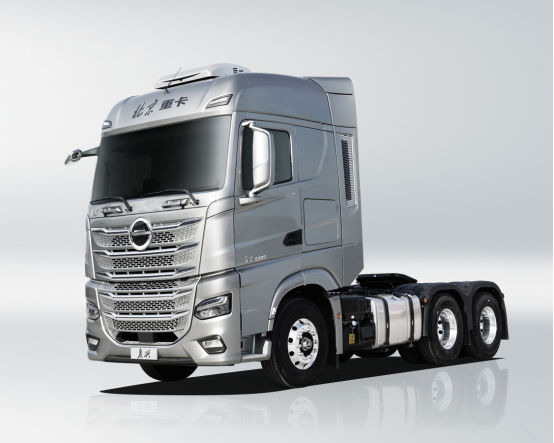
What Is a Tractor Head and How Does It Differ from Other Heavy-Duty Trucks?
Tractor heads, sometimes called prime movers, are built specifically for pulling semi-trailers around. These big rigs don't have their own cargo space like regular trucks do. They hook up to trailers using something called a fifth wheel coupling instead. The whole point of these vehicles is raw hauling power rather than carrying goods themselves. Manufacturers design them with maximum torque and proper hitch connections in mind, making them ideal for long hauls but not so great when it comes to actually holding stuff inside the truck bed.
The main difference between tractor heads and regular heavy duty trucks such as dump trucks or box trucks lies in how they work. Standard trucks carry everything themselves including the driver and whatever cargo needs moving. But tractor heads are different because they connect to trailers. This setup lets them handle all sorts of special freight situations from containers to liquid tankers and even those really big loads that don't fit anywhere else. The whole system works so well because trailers can be swapped out quickly depending on what's needed next. According to some industry numbers we saw recently, about 78 percent of long distance freight companies actually depend on this modular approach, especially when moving goods between distribution centers where changing trailers saves time instead of having to unload and reload stuff constantly. Managers who run truck fleets tell us tractor heads get used around 40% more often in these kinds of mixed transportation scenarios compared to fixed body trucks. Makes sense really since pairing them with the right trailers just makes operations run smoother overall.
Key Types and Configurations of Tractor Heads for Diverse Freight Needs
Conventional vs. Cab-Over Engine (COE) Tractor Heads
Most traditional tractor units have their engines positioned in front of the driver's cabin, which generally means better riding experience and simpler maintenance when trucks spend days on end traveling long distances. On the other hand, Cab Over Engine or COE designs put the driver compartment right above where the engine sits, cutting down on total vehicle length while making it much easier to navigate through narrow spaces. Urban delivery drivers know this matters a lot. Research published around mid 2023 indicated that these COE trucks can boost how well they handle loading docks and make sharp turns by roughly 35 to 40 percent. That kind of improvement makes all the difference when trying to squeeze through packed warehouses or deliver goods in crowded city streets where every inch counts.
Heavy-Haul, Sleeper, and Day Cab Variants
Tractor heads are purpose-built to match route profiles and freight demands:
- Day cabs eliminate sleeping quarters to maximize payload capacity and are optimized for short- to medium-haul regional runs.
- Sleeper cabs, equipped with berths and basic amenities, support multi-day hauls—reducing fatigue-related incidents by 31% (FMCSA 2023).
- Heavy-haul configurations feature reinforced frames, multi-axle setups (e.g., 8×6), and enhanced cooling systems to manage loads exceeding 100 tons. Operators in this segment prioritize advanced safety tech—including lane departure warning and adaptive cruise control—as well as fuel-efficient powertrains to offset elevated operating costs.
Critical Factors When Selecting a Tractor Head for Your Fleet
Engine Power, Axle Configuration, and Towing Capacity
The engine's power output, measured in both horsepower and torque, needs to match what the truck will actually carry across different terrains and work schedules. When dealing with those tough uphill hauls carrying heavy loads, engines need to be around 500 HP or more to keep going without overheating issues. The way axles are set up makes a big difference too. A 6x4 setup gives good balance between getting grip and being able to turn, while an 8x4 handles really heavy weights better but isn't as nimble. Getting this right affects everything from weight limits allowed on roads to how tight a turn the truck can make before putting extra strain on the drive system. And don't forget about towing capacity either. The truck has to pull more than just the trailer itself plus whatever's inside it. Fleet managers know this well because trucks that aren't spec'd properly end up breaking down about 30% more often according to maintenance records from across the industry.
Fuel Efficiency, Safety Features, and Compliance with Emission Standards
Fuel costs still represent the biggest expense that fluctuates in tractor operations. When farmers look at ways to save money, they find that making their equipment more aerodynamic helps a lot. Things like adding roof fairings, installing side skirts, and managing how closely trailers follow each other can make a difference. Combine those changes with better engine settings and smart cruise control technology, and fuel consumption drops around 15 to 20 percent. Safety matters too. Modern tractors come equipped with features such as electronic stability control, automatic brakes that kick in when needed, and systems that warn drivers about potential collisions. These technologies have been shown to cut down on avoidable accidents by roughly a quarter. Meeting today's emission rules isn't just about staying legal either. Standards like Euro VI or the upcoming EPA 2027 Phase 2 requirements mean operators won't face fines or get stuck outside certain areas designated for cleaner vehicles. Smart farm managers don't see all these improvements as simple tasks to check off. Instead, they view them as interconnected tools that help manage expenses, build safer working environments, and keep transportation routes open even during tough times.
Maintaining and Optimizing Tractor Head Performance Over Time
Preventive Maintenance Schedules and Common Wear Points
Regular maintenance isn't just recommended it's absolutely essential if we want our vehicles lasting longer and keeping those expensive breakdowns from happening when least expected. The main areas where things tend to wear out first are tires, which need monthly checks for pressure levels and tread depth. Brake linings get looked at every three months or so, while parts of the drivetrain usually require inspection after about 15 thousand miles driven. Suspension bushings? Those typically come up during yearly chassis inspections. When it comes to oil changes and filters, sticking with what the manufacturer recommends makes sense most of the time, especially since many diesel engines benefit from changes at roughly 15k mile intervals. But nowadays digital logbooks can spot issues before they become big problems. For instance, some trucks running lots of idle time show signs their transmission fluid starts breaking down faster than normal schedules would suggest. And let's not forget something simple yet impactful: making sure tires stay properly inflated saves anywhere between 3 to 5 percent on fuel costs and can stretch out how long we keep those tires on our wheels by nearly a fifth.
Telematics Integration and Driver Training for Longevity
Telematics changes how maintenance works, moving it away from just fixing things after they break. When vehicles are monitored constantly for things like engine workload, coolant temps, vibrations, and how long they sit idling, problems can be spotted early before major breakdowns happen. This kind of proactive approach helps fleet managers cut down on unexpected downtime by around 25%. Driver habits matter too. People who get proper training on accelerating smoothly, shifting gears at the right time, and reducing unnecessary idling put less strain on important parts like clutches, transmissions, and brakes. The numbers back this up: drivers with good training tend to see their drivetrain components last between 18 to 24 extra months while saving about 15% per year on maintenance costs. So combining smart technology with well-trained personnel actually creates benefits that grow over time rather than just adding up separately.
FAQs
What are the main uses of a tractor head?
A tractor head, or prime mover, is primarily used for pulling semi-trailers and transporting various types of freight such as containers, liquid tankers, and oversized loads. It does not carry goods itself.
How does a tractor head differ from conventional trucks?
Unlike conventional trucks, tractor heads connect to trailers using a fifth wheel coupling, allowing for versatile freight arrangements and trailer switching, increasing efficiency in distribution centers.
What are the key factors when selecting a tractor head for a fleet?
Key factors include engine power, axle configuration, towing capacity, fuel efficiency, safety features, and compliance with emission standards. Fleet managers consider these factors to optimize operations and minimize breakdown risks.
Why is telematics important for tractor head maintenance?
Telematics provides constant monitoring of vehicles, allowing early detection of potential issues and reducing unexpected downtime by about 25%. Integrating telematics with driver training enhances longevity and efficiency.