 EN
EN

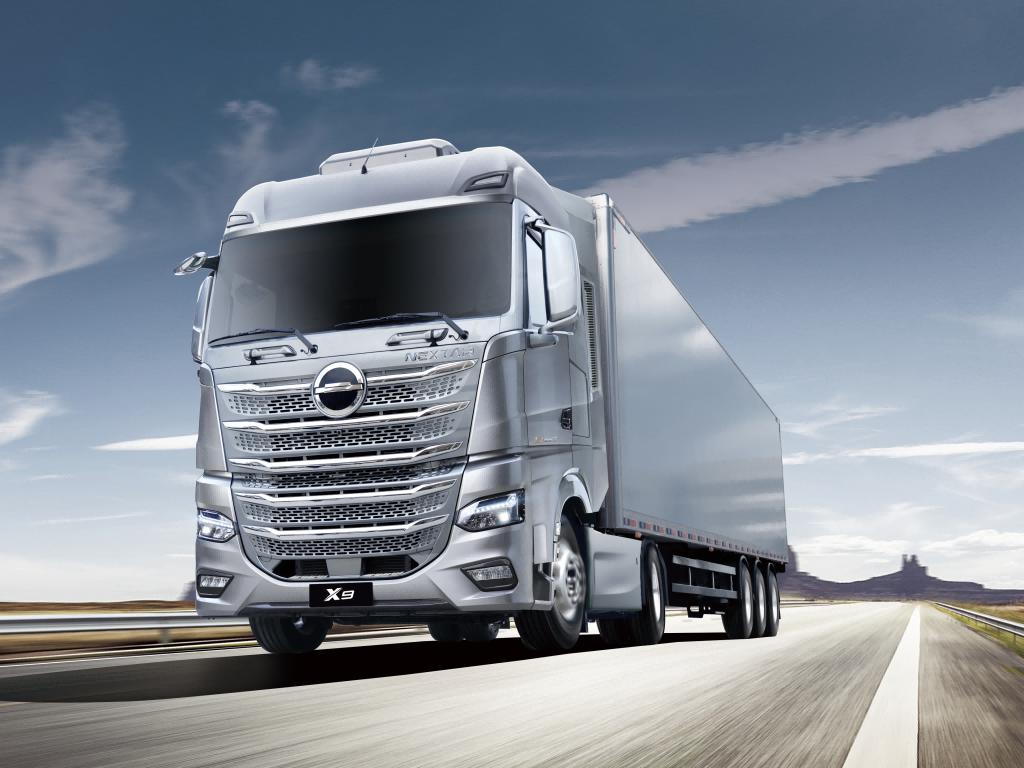
Optimize Route and Load Alignment to Minimize Deadhead Miles
Why 32% of Empty Miles Result from Misaligned Routes and Loads
About one third of all empty miles driven by fleets happen because routes and cargo just don't line up right (Industry Benchmark numbers from 2023). What happens is simple really. A truck makes its deliveries then heads back home empty handed. That means wasted fuel sitting in the tank, lost opportunity to carry something else, and money down the drain for the company. The good news? There's software out there now that helps fix this problem. These systems spot potential backhaul jobs as they come up, connecting trucks heading back with local pickup needs. When companies skip this kind of smart planning though, their drivers end up going places they don't need to go. And let's put some numbers on it. Every mile driven without cargo costs around 56 cents according to industry stats, which adds up fast over time.
The Dual-Constraint Model: Balancing Distance Efficiency and Payload Density
Effective fleet management requires solving two interdependent challenges simultaneously: minimizing travel distance and maximizing payload density. The dual-constraint model uses algorithms that jointly optimize:
- Shortest feasible routes between origin, delivery, and return points
- Highest possible cargo weight and volume utilization per trip
This prevents partial loads while avoiding inefficient detours. Fleets applying this approach consistently achieve 92–95% load factors—reducing total trips, cutting fuel use, and lowering carbon emissions per ton-mile.
Case Study: AI-Powered Load Matching Cuts Deadhead by 27%
A national logistics provider implemented AI-driven load matching across its fleet trucks and achieved the following results over 12 months:
| Metric | Improvement | Timeframe |
|---|---|---|
| Deadhead miles reduction | 27% | 12 months |
| Revenue per truck | +15% | Quarterly |
| Fuel savings | 12% | Annual |
The system analyzed real-time variables—including freight type, delivery windows, trailer compatibility, and vehicle location—to assign optimal return loads. By replacing manual dispatch decisions with automated, data-informed matching, the company eliminated avoidable empty miles and improved asset productivity.
Implement Predictive Maintenance to Maximize Fleet Truck Uptime
The $769/Hour Cost of Unplanned Downtime per Fleet Truck
When trucks break down unexpectedly, the financial hit adds up fast. Fleets typically lose around $769 every hour their vehicles sit idle on the side of the road. That number covers everything from lost income to paying overtime wages, towing fees, inflated part prices, and wasted fuel while drivers wait (ATRI report, 2023). Just think about what happens during those long 8 hour breakdowns – we're talking well over $6,000 straight out of pocket before even considering late delivery fines or damage to customer relationships. Most of these problems start small but grow big because nobody caught early signs of trouble in critical areas such as engine wear, transmission issues, or brake system degradation. Trucking companies simply can't afford to keep fixing things after they fail anymore. Moving toward smart maintenance practices where potential problems get spotted before they cause major headaches isn't just good business sense these days – it's becoming absolutely necessary if operators want to stay profitable and keep their customers happy.
From Calendar-Based to Condition-Based: How Telematics Enables Predictive Maintenance
Telematics systems make it possible for mechanics to perform maintenance based on actual conditions rather than guesswork. These systems keep tabs on things like engine temps, oil thickness, how thin those brake pads have gotten, battery levels, and what's happening inside the transmission - all while the driver goes about their day unaware. When sensors pick up something odd, like strange vibrations or when coolant starts getting too hot, they send out warnings long before anything breaks down completely. Mechanics can then fix problems during regular service times instead of dealing with emergencies. Fleet managers report around a quarter savings in maintenance expenses when using this method over traditional scheduled checkups. What's even better? About seven out of ten breakdowns that happen on the road are actually preventable if we catch those hidden issues early enough. This means vehicles last longer and stay on the road doing their job rather than sitting in repair shops.
Leverage Telematics and KPIs for Data-Driven Fleet Truck Management
Integrated Telematics Boosts Asset Utilization by 18% — Key Metrics That Matter
Integrating telematics transforms raw vehicle data into actionable intelligence—driving an industry-verified 18% increase in asset utilization. Real-time GPS tracking, engine diagnostics, and driver behavior analytics eliminate reporting lag and support proactive decisions: rerouting around congestion, adjusting delivery windows, or reassigning underutilized assets. Three high-impact metrics anchor this capability:
- Idle time (target: <10% of engine runtime)
- Route efficiency score (ratio of actual to planned mileage)
- Load-to-empty mile ratio (measuring how effectively trailer capacity is used across round trips)
Building a KPI Stack: Fuel Burn per Ton-Mile, Driver Behavior Scores, and Utilization Rate
Having solid KPIs really connects what happens on the road to the bottom line numbers at the end of the month. Start looking at fuel consumption per ton mile first since this is basically the gold standard for measuring efficiency. Even small improvements matter here; cutting just half a percent can save around $1,400 each year for every truck in operation. Then there are those driver behavior metrics that track things like sudden stops, fast starts, and all that wasted time idling when engines should be off. Asset utilization rates also tell us a lot, ideally above 85%. When we look at these three together, they often point out bigger problems. For instance, if a truck has utilization below 75% while burning through extra fuel, chances are good there's something wrong with how routes are planned, maybe maintenance hasn't kept up, or perhaps the wrong type of cargo was loaded onto that particular vehicle. Modern telematics systems make tracking all this much easier than old fashioned spreadsheets ever could, giving managers real time data instead of waiting weeks for reports to come back.
Adopt Fuel-Efficient and Sustainable Upgrades for Long-Term Fleet Truck Performance
Upgrading vehicles to be more fuel efficient and environmentally friendly actually pays off in real dollars while helping companies stay ahead of increasingly strict emissions rules. When it comes to aerodynamics, things like trailer skirts, boat tails, and those gap reducer devices can really make a difference. Tests from SAE International show they cut down on air resistance enough to boost highway fuel efficiency somewhere between 5% and 7%. Low rolling resistance tires work wonders too, especially when combined with automatic tire inflation systems that keep pressure optimal. These setups not only reduce friction but also mean tires last longer before needing replacement. Companies looking to cut carbon fast often turn to renewable diesel first since it cuts carbon output by around 80% compared to regular diesel fuel, and best of all, no engine changes or new infrastructure needed. Electric vehicle adoption makes sense for certain operations as well, particularly for lighter duty delivery routes where charging stations are already available. Yes, there's an initial cost involved, but most businesses find their money back within two to four years thanks to reduced fuel expenses, longer time between maintenance checks, and avoiding potential fines from regulators. Smart fleet managers know these investments aren't just good for the planet, they're smart business decisions too.
FAQ Section
What are deadhead miles?
Deadhead miles refer to the distance traveled by a truck without carrying any cargo. This often occurs when a truck returns to its home base after delivering goods without having a backhaul to cover the return journey.
How can telematics improve fleet management?
Telematics can enhance fleet management by providing real-time data on vehicle performance, driver behavior, and route efficiency. This information helps in making proactive decisions to optimize asset utilization, reduce idle time, and improve fuel efficiency.
What is predictive maintenance, and why is it important?
Predictive maintenance involves using data and smart technologies to predict and prevent vehicle failures before they occur. This approach minimizes unexpected downtime and reduces maintenance costs while extending the lifespan of fleet vehicles.
How can fleets reduce carbon emissions while saving on fuel costs?
Fleets can adopt fuel-efficient technologies like low rolling resistance tires, aerodynamic devices, and use renewable diesel to cut down on carbon emissions and save on fuel costs. These upgrades often lead to significant long-term savings and regulatory compliance.