 EN
EN

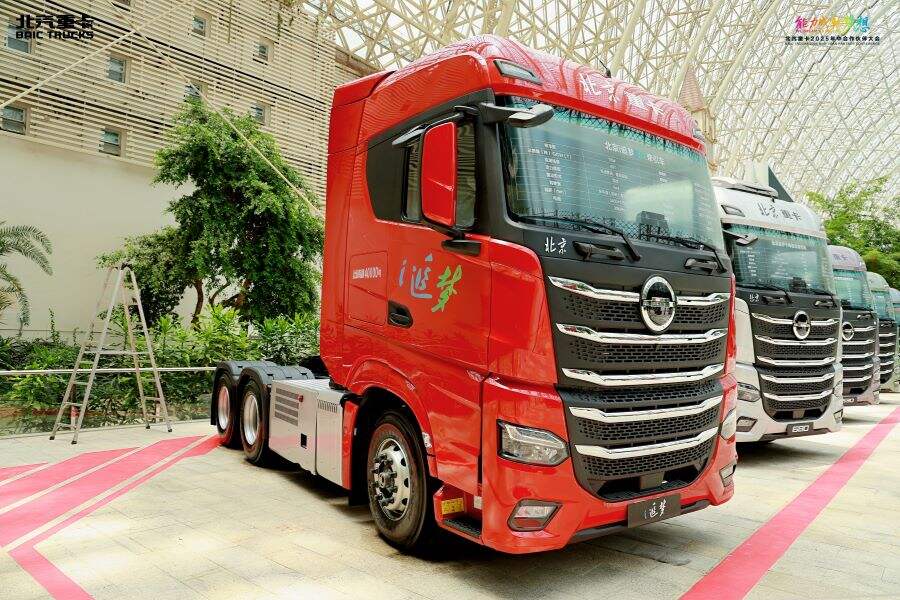
The Rise of Hybrid Trucks in Commercial Fleets
Evolution of Hybrid Truck Technology in Logistics
Hybrid trucks are no longer just experimental vehicles sitting on dealer lots. They've become workhorses for many freight companies these days. Back when they first came out, there were real problems with how much energy they could store and how power got distributed throughout the vehicle. But things have changed quite a bit since then. The new regenerative braking tech combined with those dual powertrain setups allows drivers to switch back and forth between electric and diesel without missing a beat. Truck makers have figured out clever ways to put batteries where they don't take up precious cargo room. Plus, most models now come with intelligent energy management systems that automatically use electricity first whenever possible, especially during city driving at lower speeds. For fleet managers, this development hits all the right notes. Companies want to keep their trucks loaded to maximum capacity and ensure they won't run out of juice halfway across state lines, but they also desperately want to cut down on fuel costs.
Key Factors Driving Hybrid Truck Adoption
Three primary forces accelerate hybrid truck deployment:
- Regulatory compliance: 76% of fleet managers cite emissions mandates as their top motivator (DOT 2023)
- Fuel cost predictability: Hybrids insulate operators from 18–34% of diesel price volatility (National Transportation Institute 2024)
- Resale value assurance: Early data shows hybrids retaining 23% higher residual value after 100,000 miles compared to diesel equivalents
Market analysts project 42% annual growth in hybrid commercial vehicle adoption through 2032, driven by these operational advantages.
Growing Use in Urban Delivery and Last-Mile Operations
Urban areas really show off what hybrid trucks can do better than other options. Research from 2023 looked at about 15 different American cities and saw that when delivery drivers used hybrids instead of regular trucks, they cut down on those annoying idling emissions by roughly 40 something percent. The electric part works wonders in city traffic where everything stops and starts all day long. Regular trucks actually burn around a third of their fuel just trying to speed up again after every red light. Big companies delivering packages are noticing this too - they're replacing brakes less often with hybrid models because of something called regenerative braking. No wonder then that nearly seven out of ten last mile delivery operations have started going for hybrids rather than sticking with either electric vehicles alone or old fashioned diesel engines.
Real-World Fuel Efficiency: How Hybrid Trucks Deliver on Promises
Bridging the Gap Between Lab Results and Real-World Performance
The fuel savings story for hybrid trucks isn't just lab talk anymore. According to industry studies released last year, actual efficiency improvements range somewhere between 5% all the way up to 60%, but this varies quite a bit based on where they're driven and what kind of work they do. Tests conducted along major transport routes across Africa showed something interesting too. These trucks keep their diesel punch when needed but still manage to cut down emissions by around 15% during those typical day-to-day operations that mix city driving with highway runs. That goes against what many people worry about losing power with hybrids. The secret sauce? Those smart energy management systems built into modern models seem to bridge the gap between what manufacturers promise and what drivers actually experience on the road.
Impact of Road Type, Grade, and Traffic Patterns on Fuel Savings
Operational efficiency varies significantly by environment:
| Condition | Fuel Improvement Range | Key Influencing Factor |
|---|---|---|
| Urban stop-and-go | 28%–60% | Regenerative braking utilization |
| Hilly long-haul routes | 5%–9% | Powertrain load distribution |
| Flat highway cruising | 2%–5% | Aerodynamic optimization |
Hybrids show particular promise in urban delivery fleets, where real-world trials demonstrate over 30% energy recovery during frequent deceleration events.
Field Trial Data: Average 28% Improvement in Urban Driving Cycles
Analysis of 12-month fleet operations across three continents reveals:
- 28% average fuel savings in cities with >20 stops/hour
- 42% peak efficiency in congested metropolitan areas
- 15% reduced engine wear due to optimized stop-start systems
These outcomes confirm hybrid trucks deliver tangible operational benefits, especially for fleets navigating tightening urban emissions regulations.
Performance Insights from Real-World Testing and Fleet Trials
Methodology of Long-Term Hybrid Truck Performance Evaluations
Hybrid trucks undergo standardized testing over periods ranging from 12 to 24 months to check how well they perform. The tests look at things like energy captured when braking, how long batteries last under heavy loads, and whether all the power components work together smoothly. Scientists gather data from vehicle tracking systems while also talking to drivers about what happens on the road. They want to understand factors such as changes in cargo weight which typically hover around 12 to 18 tons for freight hauling, plus how complicated different routes can get. By combining these two sources of information, engineers can be confident that systems developed in labs will actually stand up to the demands of real world operation without breaking down unexpectedly.
Case Study: 6-Month National Parcel Delivery Fleet Trial
A 150-vehicle hybrid truck deployment in urban delivery routes achieved 28% higher fuel efficiency versus conventional diesel counterparts. The trial quantified regenerative braking’s impact—recovering 17% of energy during stop-and-go traffic—while maintaining on-time delivery performance. Drivers reported smoother acceleration, particularly in congested downtown corridors.
Reductions in Idle Time and Stop-Start Fuel Consumption
Hybrid systems reduced engine idling by 41% on traffic-heavy routes compared to legacy vehicles (NACFE 2023), saving 6–8 gallons of diesel per truck daily. Start-stop technology was most effective on routes with more than 15 stops per hour, eliminating 89% of low-RPM fuel waste during loading and unloading.
Cold Weather Operation and Adaptive Energy Management Systems
Smart energy allocation algorithms maintain cabin heating without compromising traction battery performance below -10°C. Fleet data shows hybrid trucks retain 94% of warm-weather efficiency in winter by preconditioning batteries during pre-trip inspections—a 23% improvement over non-hybrid models in identical conditions.
Total Cost of Ownership and Operational Feedback from Fleets
Driver Experiences: Maneuverability, Responsiveness, and Ease of Use
Fleet operators report hybrid trucks deliver 35% smoother acceleration in stop-and-go traffic compared to conventional diesel models, based on 2024 driver satisfaction surveys. Operators highlight three key advantages:
- Regenerative braking reduces pedal switching frequency in urban routes
- Instant torque from electric motors improves dock maneuverability
- 78% of drivers in cold climates prefer hybrid cabin pre-heating functionality
Maintenance Cost Trends Based on Early Adopter Data
Real-world data shows hybrid drivetrains reduce brake wear by 40–60% in delivery fleets through regenerative braking (KoonerFMS 2025). Early adopters report:
¢ 23% lower PM costs over first 18 months
¢ 57% longer brake service intervals
¢ 12% reduction in engine-related repairs
| Maintenance Factor | Hybrid Truck | Diesel Baseline |
|---|---|---|
| Brake Replacements | 23 months | 14 months |
| Oil Change Frequency | 10k miles | 7k miles |
| Exhaust System Repairs | $240/year | $910/year |
Total Cost of Ownership After 18 Months of Service
A 2024 NACFE analysis of 4,200 hybrid trucks reveals 19% lower TCO (Total Cost of Ownership) versus diesel counterparts in urban operations. Key findings:
- Fuel savings offset 92% of hybrid upfront costs within 18 months
- $8,100 average savings in regulatory compliance costs (emissions testing, permits)
- 14% higher resale value projections for hybrid models
The 2025 Fleet Lifecycle Management Study confirms hybrid configurations achieve cost parity with diesel at 22,500 annual miles, with multi-year savings accelerating beyond this threshold.
Emissions Reduction and Environmental Impact of Hybrid Trucks
Measurable CO₂ and NOx Reductions in Commercial Hybrid Fleets
Real world testing by fleets shows that hybrid trucks cut down on CO2 emissions anywhere from about 18 to maybe even 24 percent when compared to regular diesel trucks, especially during those stop start conditions we see so much in city driving. And it gets better too - these same vehicles also slash NOx emissions by roughly 30 to 35 percent, which makes a huge difference in metropolitan regions since most medium duty trucks actually run there. The good news is this kind of performance matches up nicely with what the EPA requires under their Phase 3 greenhouse gas rules, making hybrid technology a solid option for companies needing to meet regulations without waiting around for something completely new to come along.
Improving Urban Air Quality in High-Density Delivery Areas
According to recent research published in an environmental journal, switching to hybrid delivery trucks cuts down on tiny particles called PM2.5 by around 41% in downtown areas when compared with old diesel vehicles still on the road. The numbers translate into roughly 12 to 13 fewer people getting sick from breathing problems each year for every 100 thousand people living near busy streets. Monitoring systems that track pollution as it happens have shown these hybrid engines cut out nearly all the bad stuff released while idling at stop signs or traffic lights. This matters a lot for places where kids go to school, medical facilities operate, and apartment buildings stand shoulder to shoulder in crowded neighborhoods.
Regulatory Incentives Supporting Hybrid Truck Deployment
About twenty three states across America have tax incentives that cover somewhere between fifteen and thirty percent of what it costs to buy a hybrid truck. Meanwhile over in California, there's this HVIP program that actually gives cash vouchers worth as much as forty five thousand dollars per vehicle. Then we get to federal regulations under the FAST Act which let fleet operators with hybrids go beyond normal weight restrictions by around five hundred fifty pounds. That means no extra charges or lost cargo space because of those heavy batteries. All these different programs are really helping close that eighteen to twenty four month return on investment window that usually holds back purchases. As a result, companies operating under strict regulations are starting to adopt hybrid technology at an accelerated pace.
FAQ
What are the main benefits of using hybrid trucks in commercial fleets?
Hybrid trucks offer improved fuel economy, reduced emissions, and lower maintenance costs. They also provide smoother rides in urban areas due to regenerative braking and instant torque, enhancing delivery efficiency and reducing total cost of ownership.
How do hybrid trucks contribute to lower emissions?
Hybrid trucks reduce CO2 emissions by 18-24% and NOx emissions by 30-35% through the efficient combination of electric and diesel/combustion systems, particularly during stop-and-go urban driving.
What incentives are available for adopting hybrid trucks?
Various states offer tax incentives covering 15-30% of hybrid truck costs, and programs like California’s HVIP provide cash vouchers. The FAST Act also allows for increased weight limits to account for battery weight.
Are hybrid trucks suitable for all types of routes?
Hybrid trucks are particularly efficient in urban and stop-and-go environments due to regenerative braking and reduced idle time. They are less beneficial on flat highway routes, but still offer modest fuel savings.
Table of Contents
- The Rise of Hybrid Trucks in Commercial Fleets
- Real-World Fuel Efficiency: How Hybrid Trucks Deliver on Promises
- Performance Insights from Real-World Testing and Fleet Trials
- Total Cost of Ownership and Operational Feedback from Fleets
- Emissions Reduction and Environmental Impact of Hybrid Trucks
- FAQ