 EN
EN

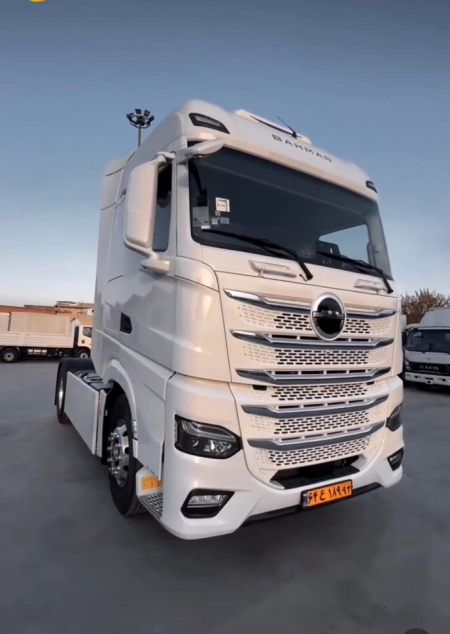
Fiabilité opérationnelle : standardisation du parc et gestion de la disponibilité
Des performances cohérentes du parc reposent sur deux piliers : des régimes d’entretien uniformes et une surveillance continue de l’état de santé des véhicules. Lorsque chaque véhicule utilitaire suit le même calendrier d’entretien et le même protocole de diagnostic, la variabilité de la qualité des réparations et de la disponibilité des pièces diminue, ce qui améliore directement le respect des plannings pour les marchandises soumises à des contraintes temporelles.
Protocoles d’entretien standardisés afin de réduire au minimum les temps d’indisponibilité des véhicules utilitaires
Une approche fragmentée de la maintenance engendre des inefficacités qui se propagent à l’ensemble de la flotte. Des recherches montrent que 89 % des temps d’arrêt de véhicules utilitaires proviennent de cinq modes de défaillance : la détérioration du système hydraulique, la baisse des performances du moteur, les insuffisances du système de refroidissement, l’usure de la transmission et les anomalies électriques (Inspection des véhicules lourds, 2024). Des protocoles normalisés permettent de maîtriser ces risques grâce à des listes de contrôle d’inspection uniformes, à des systèmes centralisés de rapport et à des attentes cohérentes vis-à-vis des fournisseurs. En remplaçant les réparations ponctuelles par des étapes préventives — telles qu’une analyse des fluides tous les 15 000 miles ou un réglage des freins après 200 heures de fonctionnement — les exploitants réduisent considérablement les arrêts imprévus. Un important prestataire logistique a enregistré une réduction de 22 % du temps moyen de réparation après avoir harmonisé sa flotte de 1 200 véhicules autour d’une seule plateforme de maintenance, tirant parti d’un stock commun de pièces détachées et d’une formation standardisée des techniciens. La normalisation renforce également la conformité aux réglementations en matière de sécurité, puisque chaque véhicule utilitaire subit les mêmes vérifications critiques des systèmes, ce qui réduit au minimum le risque d’omission. En définitive, une maintenance institutionnalisée instaure un rythme prévisible qui garantit la continuité du transport de marchandises et le respect des engagements de livraison.
Surveillance en temps réel de la santé de la flotte pour une préparation proactive du fret
Attendre l’allumage d’un témoin d’avertissement sur le tableau de bord n’est plus suffisant. La télématics et les capteurs embarqués transmettent désormais en temps réel des données relatives à la charge du moteur, à la pression des pneus, à la température des freins et à la pression hydraulique, permettant ainsi de passer d’une maintenance réactive à une maintenance fondée sur l’état réel des équipements. La détection précoce d’anomalies — telles qu’une fuite progressive de liquide de refroidissement ou des changements de vitesse irréguliers de la transmission — évite les pannes avant qu’elles ne mettent un chargement en détresse. Les flottes utilisant une surveillance en temps réel réduisent de 31 % le nombre d’interventions de maintenance non planifiées, tout en améliorant les taux de livraison à l’heure de 9 points de pourcentage (Automotive Fleet, 2023). Ces systèmes regroupent les données provenant de l’ensemble de la flotte, ce qui permet aux gestionnaires de prioriser les réparations en fonction de l’état réel des composants, plutôt que selon des intervalles fixes. Pour les marchandises réfrigérées, la surveillance continue de la température et du compresseur garantit que les produits périssables restent dans les plages de tolérance requises, réduisant ainsi les pertes liées à la détérioration d’environ 15 %. En détectant les problèmes dès leur apparition, la surveillance en temps réel de l’état des véhicules transforme la gestion de flotte d’un centre de coûts en un véritable moteur de fiabilité, assurant que les véhicules destinés au transport de marchandises sont toujours prêts à intervenir dès qu’un chargement l’exige.
Intégrité et sécurité des marchandises : comment les véhicules fermés réduisent les pertes et les dommages
Les véhicules de transport de marchandises ne sont pas seulement des actifs de transport : ce sont des coffres-forts mobiles. Protéger les marchandises contre les chocs physiques, l’exposition aux éléments et le vol constitue un facteur direct de fiabilité du service et de maîtrise des coûts. Les conceptions de véhicules fermés offrent cette protection de manière systématique, comme le confirment les derniers audits opérationnels.
Réduction fondée sur les données des dommages aux marchandises : enseignements tirés des audits de la dernière étape (2023–2024)
Un audit complet de 2,1 millions de livraisons en dernier kilomètre mené en Amérique du Nord et en Europe (2023–2024) a révélé que les expéditions effectuées dans des véhicules utilitaires entièrement clos ont enregistré 38 % moins de réclamations pour dommages que celles effectuées sur des plateformes ouvertes ou des remorques à bâche. Les principaux facteurs étaient la protection contre les intempéries, la déviation des débris routiers et l’élimination des manipulations en cours de transport. Les caisses closes ont maintenu des environnements internes stables, empêchant l’intrusion d’humidité et de poussière, responsables de 14 % des cas d’altération des marchandises transportées dans des remorques ouvertes, selon le même jeu de données. Pour les articles très sensibles, tels que les équipements électroniques et les produits pharmaceutiques, la différence était encore plus marquée : les taux de dommages ont chuté de 51 % lors de l’utilisation d’unités closes régulées en température. Un assureur logistique de premier plan a noté que les pertes moyennes par sinistre étaient également inférieures, s’établissant en moyenne à 2 100 $ contre 4 800 $ pour le transport ouvert — soit une réduction de 56 % du coût moyen des réclamations. Ces chiffres soulignent clairement un retour sur investissement : la prime associée à la capacité de transport clos est compensée uniquement par la prévention des pertes, sans même tenir compte des gains en satisfaction clientèle. Les exploitants de flottes suivant ces indicateurs ont commencé à imposer systématiquement des configurations closes pour tous les chargements dépassant un seuil de fragilité ou de valeur, transformant ainsi une option historique en norme opérationnelle.
Conformité réglementaire et stratégies d’atténuation des risques spécifiques aux marchandises
Les véhicules utilitaires fermés soutiennent directement le respect des normes de sécurité de la chaîne logistique, telles que le C-TPAT (Customs-Trade Partnership Against Terrorism) et les bonnes pratiques de distribution (GDP) pharmaceutiques. Leur carrosserie étanche simplifie la documentation relative à la chaîne de garde et répond aux exigences relatives aux scellés révélateurs d’intrusion, réduisant ainsi, selon une enquête réglementaire sur la conformité menée en 2024 par une importante association logistique, le nombre de non-conformités détectées lors des audits tiers de 27 % en moyenne. Pour les expéditions alimentaires, les conceptions fermées empêchent toute contamination croisée et facilitent les procédures de nettoyage et de désinfection imposées par les règlements américains (FDA) et européens en matière de sécurité sanitaire des aliments. Des stratégies spécifiques de gestion des risques liés au fret exploitent davantage encore les architectures fermées : compartiments verrouillables dédiés pour les équipements électroniques à forte valeur, aménagements intérieurs cloisonnés pour les chargements mixtes, et géorepérage intégré via GPS/télématique déclenchant des alertes dès qu’une porte s’ouvre en dehors des zones autorisées. Ces mesures ne préviennent pas seulement les pertes, mais simplifient également l’évaluation des risques par les assureurs : les exploitants de flottes fermées signalent des primes d’assurance fret inférieures de 15 à 20 %. En alignant les capacités du véhicule sur la vulnérabilité du fret transporté, le transport fermé transforme la conformité réglementaire d’un simple exercice de coche dans une liste de vérification en un facteur différenciant concurrentiel, garantissant ainsi que chaque expédition arrive intacte, prête à être auditée et dans les délais.
Visibilité des marchandises et régularité des livraisons, rendues possibles par la technologie
GPS, connaissements électroniques et leur incidence sur la livraison ponctuelle des marchandises
Le suivi GPS en temps réel permet aux gestionnaires de flotte de suivre en continu la localisation des marchandises et l’avancement des itinéraires. Les connaissements électroniques remplacent les documents papier, réduisant les erreurs administratives et accélérant les contrôles douaniers. Ces outils réduisent les retards aux points de remise et renforcent le respect des plannings. Selon un rapport sectoriel sur la logistique publié en 2023, les taux de livraison à temps se sont améliorés de jusqu’à 18 % après déploiement. Des alertes instantanées sur la circulation permettent aux centres d’expédition de rerouter dynamiquement les véhicules, garantissant ainsi le maintien des marchandises sur leur trajectoire prévue. Les clients reçoivent des estimations fiables d’heure d’arrivée, ce qui réduit le nombre de livraisons manquées. Cette visibilité intégrée réduit les temps d’inactivité et assure un flux régulier de marchandises de l’origine à la destination.
Optimisation de la manutention des marchandises pilotée par la télémaintenance, par secteur industriel
Les dispositifs de télématics captent la vitesse, le freinage et les conditions de la soute à fret pendant le transport. Dans la logistique pharmaceutique, des capteurs de température reliés à la télématics déclenchent des alertes en cas de panne du système de réfrigération, évitant ainsi la détérioration des produits. Pour les marchandises fragiles, la surveillance des vibrations permet d’engager immédiatement des mesures correctives. Les distributeurs alimentaires s’appuient sur le suivi de l’humidité pour protéger les produits périssables. Ces analyses spécifiques à chaque secteur permettent d’établir des protocoles de manutention personnalisés qui réduisent les pertes et renforcent l’intégrité du fret. En analysant les tendances issues de la télématics, les équipes logistiques optimisent les procédures de chargement et la formation des conducteurs, adaptant ainsi précisément la prise en charge du fret aux exigences sectorielles.
Flexibilité économique du fret : adaptation des capacités des véhicules aux besoins de l’entreprise
L’adéquation des caractéristiques des marchandises aux spécifications des véhicules constitue un levier direct pour réduire les coûts de transport. Les marchandises légères mais encombrantes nécessitent des remorques hautes, tandis que les frets denses et lourds exigent des véhicules dotés d’une plus grande capacité de charge utile afin d’éviter à la fois la sous-utilisation et la surcharge. Cette adéquation permet de réduire le coût unitaire du fret en optimisant l’efficacité du chargement et en minimisant les kilomètres parcourus à vide. Une enquête sectorielle menée en 2024 a révélé que les entreprises utilisant des algorithmes d’adéquation des moyens de transport ont réduit, en moyenne, leurs coûts annuels de transport de marchandises de 18 %, principalement grâce à une meilleure utilisation de la capacité et à une diminution du nombre de trajets. En outre, le choix du véhicule adapté à chaque mission — qu’il s’agisse d’un camion frigorifique pour les marchandises sensibles à la température ou d’une benne plate pour les cargaisons hors-dimension — garantit l’intégrité des marchandises et évite les changements d’équipement de dernière minute, souvent coûteux. En définitive, investir dans des configurations de flotte flexibles, adaptées aux profils variés de marchandises, transforme la logistique d’un coût fixe en un actif évolutif, piloté par la demande.
Section FAQ
Quels sont les protocoles de maintenance standardisés et comment bénéficient-ils aux flottes ?
Les protocoles de maintenance standardisés reposent sur des listes de contrôle d’inspection cohérentes, des systèmes centralisés de reporting et des attentes uniformes vis-à-vis des prestataires afin de réduire au minimum les temps d’arrêt dans les flottes. Ces systèmes permettent de diminuer les pannes imprévues, d’améliorer la qualité des réparations et de renforcer la conformité aux réglementations en matière de sécurité.
Comment fonctionne la surveillance en temps réel de l’état de santé de la flotte ?
La surveillance en temps réel de l’état de santé de la flotte utilise la télématics et des capteurs embarqués pour transmettre en continu des données relatives aux performances du moteur, à la pression des pneus et à d’autres paramètres. Cette approche permet de détecter les problèmes précocement, réduisant ainsi les interventions de maintenance non planifiées et améliorant la disponibilité des véhicules pour le transport de marchandises.
Pourquoi les véhicules utilitaires fermés sont-ils essentiels pour réduire les dommages et les pertes ?
Les véhicules fermés protègent les marchandises contre les intempéries, les débris et le vol, ce qui réduit les cas de détérioration et de dommages physiques. Ils simplifient également la conformité aux normes de sécurité et permettent de réduire les primes d’assurance.
Quel est le rôle de la télématics dans l’amélioration de la manutention des marchandises ?
Les dispositifs de télématics surveillent la vitesse, le freinage, la température et l'humidité pendant le transport, fournissant des informations exploitables pour améliorer les protocoles de manutention. Cela réduit les pertes et renforce l'intégrité des marchandises pour des applications spécifiques à chaque secteur.
Comment les gestionnaires de flotte peuvent-ils optimiser leurs coûts en adaptant les capacités des véhicules aux besoins du fret ?
Les gestionnaires peuvent réduire les coûts de transport en alignant les caractéristiques des véhicules — telles que la capacité de charge utile ou la réfrigération — sur les exigences liées au fret. Une meilleure utilisation de la capacité et un nombre moindre de trajets entraînent des économies significatives.
Table des matières
- Fiabilité opérationnelle : standardisation du parc et gestion de la disponibilité
- Intégrité et sécurité des marchandises : comment les véhicules fermés réduisent les pertes et les dommages
- Visibilité des marchandises et régularité des livraisons, rendues possibles par la technologie
- Flexibilité économique du fret : adaptation des capacités des véhicules aux besoins de l’entreprise
-
Section FAQ
- Quels sont les protocoles de maintenance standardisés et comment bénéficient-ils aux flottes ?
- Comment fonctionne la surveillance en temps réel de l’état de santé de la flotte ?
- Pourquoi les véhicules utilitaires fermés sont-ils essentiels pour réduire les dommages et les pertes ?
- Quel est le rôle de la télématics dans l’amélioration de la manutention des marchandises ?
- Comment les gestionnaires de flotte peuvent-ils optimiser leurs coûts en adaptant les capacités des véhicules aux besoins du fret ?