 EN
EN

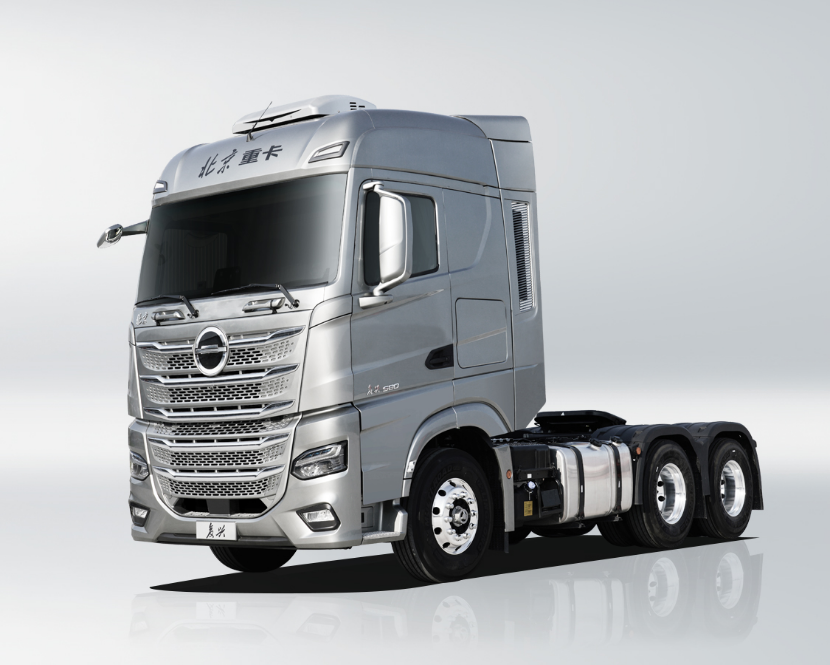
Excellence de la chaîne cinématique : couple du moteur, transmission et freinage pour le transport lourd
La chaîne cinématique de tout tracteur routier lourd détermine directement sa capacité à assurer des opérations sûres, productives et économiques. Du couple élevé à bas régime du moteur aux algorithmes de la transmission adaptés à la charge et à la résistance thermique du système de freinage, chaque élément doit être réglé pour répondre aux exigences exceptionnelles liées au déplacement de combinaisons de 100 tonnes en montée raide et dans des zones à forte densité de trafic. Les trois piliers suivants expliquent comment l’ingénierie de pointe de la chaîne cinématique distingue certaines marques.
Moteurs diesel à haut couple, optimisés pour l’accélération sous charge et la montée en pente raide
Les locomotives diesel modernes à forte charge sont conçues pour délivrer un couple massif à bas régime, et non une puissance maximale. Un moteur en ligne à six cylindres de 15 litres peut produire plus de 2 500 Nm dès 1 000 tr/min, avec une réserve de couple souvent supérieure à 30 %. Cette réserve — force de torsion supplémentaire disponible sans avoir à rétrograder — est essentielle lors du démarrage d’un ensemble routier d’un poids total en charge de 80 tonnes sur une pente de 8 %. L’injection directe haute pression par rampe commune (2 500 bar et plus) et le turbocompresseur à géométrie variable optimisent la pulvérisation du carburant et l’apport d’air, garantissant ainsi une combustion propre sur toute la plage de charge. Le résultat est une accélération assurée et la capacité de maintenir une vitesse constante sur de longues montées sans surchauffe. Lors d’essais sur le terrain menés en 2023 par un important constructeur européen de camions, les moteurs dotés d’une réserve de couple de 35 % ont accompli un test en montagne de 12 km en 11 % moins de temps que les modèles antérieurs, tout en consommant 4 % de carburant en moins — ce qui démontre comment une délivrance robuste du couple améliore directement la productivité et l’efficacité.
Boîtes de vitesses automatisées robustes dotées d'une logique de changement de vitesse à détection de charge
Les boîtes de vitesses manuelles automatisées (BVM-A) robustes remplacent désormais les boîtes manuelles traditionnelles dans la plupart des applications exigeantes. Contrairement aux boîtes de vitesses conventionnelles, les BVM-A dotées d'une logique de changement de vitesse à détection de charge surveillent en continu la masse du véhicule, la pente de la route, la position de l'accélérateur et la charge du moteur afin de sélectionner le rapport optimal. Elles retardent les passages vers les rapports supérieurs en cas de montée, présélectionnent les rapports inférieurs avant une descente et sautent des rapports lorsqu'elles sont faiblement chargées — le tout sans intervention du conducteur. Une BVM-A de ce type, comportant 12 à 16 rapports, réduit les chocs sur la transmission et élimine la fatigue de l'embrayage, prolongeant ainsi la durée de vie des composants. Selon un Fleet Equipment Magazine une analyse (2022) a montré que les camions équipés d’un changement de vitesse adaptatif à la charge ont obtenu, sur des parcours vallonnés, un gain d’efficacité énergétique allant jusqu’à 5 % par rapport à des camions identiques dotés de boîtes de vitesses manuelles ; par ailleurs, les conducteurs ont signalé une satisfaction nettement plus élevée au cours de leurs quarts de travail prolongés. Pour les opérations de transport lourd, ce niveau d’intelligence de la transmission se traduit par des performances constantes, une maintenance réduite et un bien-être accru des conducteurs.
Systèmes de freinage résistants aux contraintes thermiques : freins d’échappement, ralentisseurs et intégration de l’ABS
Les freins de base seuls ne peuvent pas dissiper l'énergie d'un camion de 44 tonnes descendant une pente de 6 % sans s'affaiblir. Les tracteurs destinés au transport lourd utilisent donc des systèmes de freinage complémentaires : des freins d'échappement qui restreignent le flux de gaz, des ralentisseurs hydrauliques ou électromagnétiques qui génèrent de la chaleur sans frottement, et des freins moteur qui ouvrent les soupapes d'échappement. Lorsqu'ils sont intégrés aux systèmes antiblocage (ABS) et de contrôle électronique de stabilité, ces dispositifs permettent de maintenir une vitesse de descente maîtrisée tout en préservant la fraîcheur des freins de service, prêts à intervenir en cas d'arrêt d'urgence. Une étude menée en 2023 par la Society of Automotive Engineers a confirmé que la puissance de ralentissement combinée d'un frein d'échappement et d'un ralentisseur peut dépasser 600 kW — soit environ trois fois la capacité des freins de base seuls — éliminant ainsi efficacement le phénomène d'affaiblissement des freins lors de descentes en montagne avec charge maximale. Les conducteurs signalent systématiquement que les tracteurs équipés de ce trio de freinage ingénieux réduisent les intervalles de remplacement des garnitures de frein de 40 % ou plus, améliorant directement la disponibilité et la réputation en matière de sécurité.
Résistance structurelle : configurations d’essieux et ingénierie du châssis pour une intégrité maximale de la charge utile
Les choix techniques qui permettent aux tracteurs routiers de se distinguer dans le transport lourd reposent sur leurs conceptions d’essieux et de châssis. Ces éléments déterminent directement la capacité de charge utile, le respect de la réglementation en vigueur et la durabilité à long terme sous contraintes extrêmes.
configurations motrices 6×4 et 8×4 : équilibre entre adhérence, limites légales de charge et conformité routière
Le choix de la configuration motrice appropriée constitue un compromis essentiel entre adhérence, masse maximale autorisée par la loi et compatibilité avec les infrastructures routières. Une configuration 6×4 — dotée de deux essieux moteurs jumelés à l’arrière — offre une excellente adhérence sur les pentes raides et les surfaces meubles, ce qui en fait le fer de lance du transport lourd. Une configuration 8×4 ajoute un deuxième essieu avant directeur, augmentant ainsi le nombre d’essieux porteurs et permettant une masse brute autorisée (MBA) plus élevée tout en maintenant les charges individuelles par essieu dans les limites légales. Le tableau ci-dessous résume les caractéristiques typiques.
| Configuration | Essieux de traction | PMA typique maximal (tonnes) | Avantage en traction | Caractéristique clé de conformité |
|---|---|---|---|---|
| 6×4 | Essieu arrière tandem | 44 | Répartition élevée du couple pour les conditions tout-terrain et les démarrages en pente | Équilibre entre la charge utile et les limites standard de charge par essieu (par exemple, 11,5 t par essieu moteur) |
| 8×4 | Essieu arrière tandem + 2 essieux directeurs | 50+ | Adéquat sur chaussées revêtues ; moins adapté aux terrains extrêmes | L’essieu supplémentaire répartit le poids, ce qui permet de respecter les seuils plus bas de dommages routiers par essieu |
Les données issues de la réglementation européenne sur les charges par essieu (2023) indiquent qu’un tracteur routier 6×4 peut légalement circuler avec une masse maximale autorisée de 44 tonnes, tandis qu’un tracteur 8×4 est souvent homologué pour 50 tonnes ou plus. Cette capacité accrue provient de l’essieu directeur supplémentaire, qui réduit la charge par essieu, diminue l’usure des chaussées et permet la circulation sur des routes soumises à des limites de poids plus strictes. Les exploitants doivent vérifier les lois locales relatives aux formules de ponts afin d’assurer une conformité totale.
Châssis en acier à haute résistance doté de points de fixation renforcés pour une résistance à la fatigue et aux vibrations
Un châssis fabriqué en acier à haute limite d’élasticité—généralement avec une limite élastique minimale de 700 MPa—offre, selon les normes SAE, une amélioration de 30 à 40 % de la durée de vie en fatigue par rapport à l’acier doux conventionnel. Ce matériau conserve son intégrité structurelle sous des charges de flexion et de torsion répétées dues aux charges lourdes et aux routes accidentées. Des points de fixation renforcés pour la roue folle, les supports de suspension et les attelages de remorquage empêchent la concentration des contraintes, qui est à l’origine de l’apparition de fissures. Un important fabricant de véhicules industriels a constaté qu’ajouter des entretoises renforcées à ces jonctions critiques réduisait de 25 % les microfissurations induites par les vibrations lors des essais accélérés de durabilité. La combinaison d’une métallurgie avancée et d’un renforcement ciblé prolonge non seulement la durée de vie utile du châssis, mais réduit également les temps d’arrêt—ce qui abaisse directement le coût total de possession dans les opérations de transport longue distance.
Coût total de possession : Durabilité, disponibilité et efficacité de la maintenance dans les opérations de transport longue distance
Le coût total de possession (TCO) va bien au-delà du prix d’achat initial. Pour les flottes de transport lourd, chaque heure d’arrêt imprévu érode des marges déjà faibles : une journée de perte de productivité peut dépasser 4 000 $, si l’on prend en compte le coût du conducteur à l’arrêt, les pénalités pour livraisons manquées et les réparations d’urgence. La durabilité devient donc un levier financier direct. Les moteurs conçus avec des chemises de cylindre usinées selon la méthode « plateau-honed » et des sièges de soupape trempés dépassent régulièrement 1,2 million de kilomètres avant une révision majeure, réduisant ainsi la charge de dépréciation par charge transportée. Les composants de la transmission, tels que les moyeux de roue à bain d’huile et les arbres de pont forgés, réduisent les taux de défaillance jusqu’à 40 % par rapport aux alternatives destinées aux entrepreneurs, ce qui diminue le nombre de visites en atelier sur un cycle de propriété typique de 10 ans.
La disponibilité dépend tout autant de la facilité d’entretien. Un tracteur conçu avec des cabines inclinables, un câblage codé par couleur et des ports de diagnostic centralisés permet aux techniciens de réaliser une inspection complète du groupe motopropulseur en moins de 90 minutes, au lieu de la moitié d’un poste de travail. Des intervalles prolongés de vidange d’huile — certains atteignant 150 000 km grâce à la technologie de filtres synthétiques — réduisent au minimum les arrêts d’entretien liés aux fluides. Les systèmes télématiques qui prévoient l’usure des plaquettes de frein ou les régénérations du FAP permettent aux planificateurs de regrouper les interventions pendant les périodes de repos obligatoires au niveau fédéral, afin de maintenir les camions en activité génératrice de revenus. Ces fonctionnalités simplifient les décisions de renouvellement du parc : lorsque chaque composant est conçu pour un retour rapide en service, l’atelier devient un simple arrêt éclair plutôt qu’un puits sans fond pour les profits.
La disponibilité des pièces constitue le troisième pilier du coût total de possession (CTP). Les fabricants qui garantissent l’approvisionnement nocturne de 95 % des unités remplaçables en ligne via des entrepôts régionaux éliminent pratiquement les temps d’arrêt liés au démontage de véhicules. Des conceptions modulaires — où un seul refroidisseur EGR ou un seul ensemble turbo peut être remplacé sans vidanger le liquide de refroidissement ni retirer la cabine — réduisent encore davantage les délais de réparation. Ces avantages systémiques s’accumulent : un tracteur robuste pour le transport lourd, qui passe 15 % de jours supplémentaires en service chaque année, rembourse sa prime de prix en moins de 24 mois, puis continue de générer un coût marginal négatif pendant le reste de sa carrière, soit jusqu’à un million de miles.
Efficacité opérationnelle : aérodynamique, économie de carburant et optimisation de l’autonomie pour le transport lourd
Conception aérodynamique de la cabine et intégration optimisée de l’attelage de remorque, réduisant la traînée jusqu’à 12 %
Les têtes de tracteur modernes exploitent la dynamique des fluides computationnelle pour façonner des cabines dotées de capots inclinés, de déflecteurs intégrés aux montants A et d’aileron intégré au pare-chocs. L’intégration du attelage remorque — tels que les déflecteurs de vide et les joints étanches entre toit de la cabine et remorque — permet d’assurer une transition fluide entre le tracteur et la remorque. Ces mesures réduisent la traînée aérodynamique jusqu’à 12 %, ce qui diminue directement la consommation de carburant de 6 à 8 % à vitesse autoroutière. Le résultat est une autonomie accrue par plein et un nombre réduit d’arrêts pour ravitaillement, optimisant ainsi l’efficacité opérationnelle des flottes de transport lourd.
FAQ
Qu’est-ce que la réserve de couple, et pourquoi est-elle importante pour les moteurs destinés au transport lourd ?
La réserve de couple désigne le couple supplémentaire disponible sans nécessiter de changement de rapport, ce qui est essentiel pour démarrer des charges lourdes sur des pentes raides et maintenir la vitesse sous charge sans risque de surchauffe.
En quoi les boîtes de vitesses manuelles automatisées bénéficient-elles aux camions destinés au transport lourd ?
Ces boîtes de vitesses offrent une logique de changement de vitesse à détection de charge, optimisant la sélection des rapports en fonction du poids, de la pente et de la charge du moteur, ce qui améliore l’efficacité énergétique, réduit les chocs sur la transmission et augmente le confort du conducteur.
Pourquoi les systèmes de freinage complémentaires sont-ils nécessaires pour les tracteurs lourds ?
Les freins primaires seuls ne parviennent pas à dissiper l’énergie générée lors d’une descente chargée. Des systèmes tels que les freins d’échappement et les ralentisseurs les complètent, empêchant l’usure thermique des freins (« brake fade ») et assurant des descentes maîtrisées.
Quels sont les avantages d’une configuration d’essieux 6×4 par rapport à une configuration 8×4 ?
la configuration 6×4 offre une excellente adhérence sur les pentes et les terrains meubles, tandis que la configuration 8×4 augmente la masse maximale autorisée (GVWR) et réduit la charge individuelle sur chaque essieu afin de respecter les exigences réglementaires relatives à l’usage routier.
Comment l’aérodynamique influence-t-elle l’efficacité opérationnelle des véhicules destinés au transport lourd ?
Les conceptions aérodynamiques réduisent la traînée jusqu’à 12 %, ce qui diminue la consommation de carburant et augmente l’autonomie, permettant ainsi moins d’arrêts pour ravitaillement et une efficacité accrue.
Table des matières
-
Excellence de la chaîne cinématique : couple du moteur, transmission et freinage pour le transport lourd
- Moteurs diesel à haut couple, optimisés pour l’accélération sous charge et la montée en pente raide
- Boîtes de vitesses automatisées robustes dotées d'une logique de changement de vitesse à détection de charge
- Systèmes de freinage résistants aux contraintes thermiques : freins d’échappement, ralentisseurs et intégration de l’ABS
- Résistance structurelle : configurations d’essieux et ingénierie du châssis pour une intégrité maximale de la charge utile
- Coût total de possession : Durabilité, disponibilité et efficacité de la maintenance dans les opérations de transport longue distance
- Efficacité opérationnelle : aérodynamique, économie de carburant et optimisation de l’autonomie pour le transport lourd
-
FAQ
- Qu’est-ce que la réserve de couple, et pourquoi est-elle importante pour les moteurs destinés au transport lourd ?
- En quoi les boîtes de vitesses manuelles automatisées bénéficient-elles aux camions destinés au transport lourd ?
- Pourquoi les systèmes de freinage complémentaires sont-ils nécessaires pour les tracteurs lourds ?
- Quels sont les avantages d’une configuration d’essieux 6×4 par rapport à une configuration 8×4 ?
- Comment l’aérodynamique influence-t-elle l’efficacité opérationnelle des véhicules destinés au transport lourd ?