 EN
EN

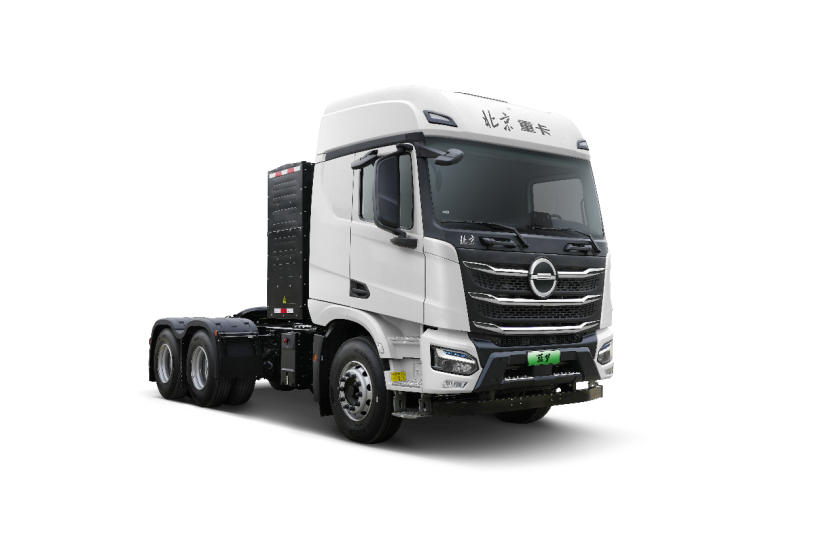
Le passage stratégique aux camions électriques dans les flottes commerciales
De la domination du diesel à l’électrification des opérations : moteurs politiques, engagements des constructeurs et tendances d’adoption par les flottes
Les flottes commerciales s’éloignent rapidement du diesel, poussées par le durcissement des réglementations en matière d’émissions et par une justification économique claire en faveur de l’électrification. Les ventes de camions électriques moyens et lourds ont augmenté de 44 % en 2024, reflétant à la fois la dynamique réglementaire et la maturité croissante de la technologie. Des obligations réglementaires telles que la règle californienne « Advanced Clean Trucks » (ACT) exigent une part croissante de véhicules à zéro émission dans les ventes, tandis que les incitations fédérales et étatiques réduisent les coûts d’acquisition. Parallèlement, quasiment tous les principaux constructeurs mondiaux de camions se sont engagés à éliminer progressivement leurs modèles fonctionnant aux combustibles fossiles d’ici 2040, beaucoup visant des feuilles de route d’électrification complète bien avant cette date. L’adoption par les flottes suit ce rythme : 64 % des professionnels des flottes exploitent déjà au moins un camion électrique, et 87 % prévoient une électrification complète d’ici cinq ans. Avec la baisse des prix des batteries et le développement des infrastructures de recharge, les investissements mondiaux dans l’électrification des flottes commerciales devraient dépasser 2,4 billions de dollars d’ici 2030. Cette convergence entre politique publique, engagement industriel et économie opérationnelle transforme l’industrie du transport routier, longtemps dominée par le diesel, et positionne le camion électrique comme un actif stratégique pour les opérateurs soucieux à la fois de leur rentabilité et de leur impact environnemental.
Impact environnemental : émissions sur le cycle de vie et qualité de l’air urbain
Les camions électriques offrent des gains environnementaux substantiels sur l’ensemble de leur cycle de vie et améliorent considérablement la qualité de l’air urbain. Bien que la production des batteries implique des procédés d’extraction minière et de fabrication énergivores, une étude exhaustive menée en 2021 par le Conseil international pour le transport propre (ICCT) a révélé que les camions électriques à batterie réduisent les émissions totales de gaz à effet de serre de plus de 60 % par rapport aux camions diesel, lorsqu’ils sont alimentés par le mix énergétique actuel du réseau électrique américain. À mesure que les réseaux électriques se décarbonent, cet avantage s’accroît. Par ailleurs, l’absence d’échappement élimine totalement les oxydes d’azote (NOₓ) et les particules fines (PM₂,₅) — polluants directement associés à l’asthme, aux maladies cardiovasculaires et à la mortalité prématurée — dans les zones fortement peuplées. Le remplacement d’un seul camion diesel par un modèle électrique permet d’éliminer environ 1,5 tonne de NOₓ chaque année des rues urbaines (Conseil californien des ressources air, 2023). Cette transition procure des bénéfices sanitaires mesurables dans les communautés situées le long des corridors de fret, où les taux de maladies respiratoires dépassent souvent les moyennes régionales. En dissociant le transport de marchandises de la combustion, les camions électriques constituent un outil fondamental pour respecter les normes fédérales de qualité de l’air et atteindre les objectifs logistiques de neutralité carbone.
Avantages du coût total de possession pour les camions électriques
Moins d'entretien, efficacité énergétique et incitations fédérales/étatiques (par exemple, crédit fiscal IRS 45W)
Les camions électriques offrent des avantages convaincants en matière de coût total de possession (CTP) par rapport à leurs homologues diesel, grâce à une réduction des coûts d'entretien, à une efficacité énergétique supérieure et à des incitations financières solides. Les groupes motopropulseurs électriques éliminent les vidanges d'huile, les systèmes d'échappement et des dizaines de pièces mobiles, réduisant ainsi les dépenses annuelles d'entretien de 25 à 40 %. Le freinage régénératif prolonge en outre la durée de vie des freins et des pneus, ce qui amplifie les économies réalisées. Sur le plan énergétique, le coût de l'électricité par mile peut être inférieur de 45 à 75 % à celui du diesel, notamment lorsque les flottes profitent des tarifs électriques hors pointe ou des tarifs différenciés selon les heures de consommation. Une analyse menée en 2021 par le Laboratoire national Lawrence Berkeley, citée par l'Institut d'études environnementales et énergétiques, a révélé qu’un semi-remorque électrique pour le transport longue distance présente un CTP de 1,51 $/mile contre 1,73 $/mile pour un modèle diesel, générant ainsi des économies nettes de 200 000 $ sur une durée de service de 15 ans. Le soutien fédéral accélère le retour sur investissement : le crédit fiscal IRS Section 45W offre jusqu’à 40 000 $ par véhicule pour les camions dont la masse maximale autorisée est d’au moins 14 000 livres. Des États comme la Californie renforcent ce dispositif avec des programmes tels que le HVIP, pouvant couvrir un montant supplémentaire de 60 000 $. Pour les cycles d’utilisation urbains et régionaux—où l’autonomie et les besoins de recharge correspondent aux capacités actuelles—le surcoût initial est de plus en plus souvent amorti en trois à cinq ans, assurant ainsi une rentabilité à long terme tout en protégeant les flottes contre la volatilité des prix des carburants.
Barrières critiques à l'adoption et mesures d'atténuation dans le monde réel
Autonomie de la batterie, lacunes de l'infrastructure de recharge et considérations sur le coût initial
Trois obstacles pratiques demeurent : une autonomie limitée, une infrastructure publique de recharge peu développée et des coûts d’acquisition initiaux élevés. Les camions électriques moyens actuels parcourent généralement 240 à 400 km par charge (BloombergNEF, 2024) — une autonomie parfaitement adaptée aux trajets de dernière livraison et aux itinéraires régionaux, mais insuffisante pour les transports interétatiques nécessitant plus de 800 km. L’infrastructure publique de recharge rapide reste encore balbutiante : moins de 10 000 bornes de recharge lourdes aux États-Unis sont actuellement compatibles avec les véhicules électriques commerciaux (Département de l’Énergie des États-Unis, 2024), ce qui pousse la plupart des premiers déploiements vers une recharge nocturne en dépôt et des opérations « retour-à-la-base » rigoureusement optimisées. Par ailleurs, un tracteur électrique de classe 8 peut coûter jusqu’à 2,5 fois plus cher qu’un modèle diesel équivalent (ICCT, 2023). Pourtant, ces défis s’avèrent gérables — et non rédhibitoires. Les premiers adoptants privilégient les corridors à forte densité, intègrent des logiciels intelligents d’optimisation des itinéraires et cumulent les incitations fédérales, comme le crédit fiscal IRS 45W, afin de réduire l’écart de coût effectif. À mesure que la densité énergétique des batteries s’améliore et que les entreprises de services publics accélèrent les mises à niveau du réseau électrique, ces contraintes se transforment progressivement en paramètres de conception plutôt que dans des obstacles infranchissables — notamment pour les flottes dont les schémas d’utilisation sont prévisibles et intensifs.
Scénarios de déploiement à fort impact pour les camions électriques
Livraison du dernier kilomètre et logistique à courte distance : études de cas provenant des principaux réseaux de commerce électronique et de livraison de colis
La livraison du dernier kilomètre et la logistique à courte distance constituent le point d’entrée offrant le meilleur rapport levier pour l’adoption des camions électriques. Ces opérations suivent des itinéraires quotidiens prévisibles, reviennent chaque nuit dans des dépôts centralisés pour recharge et parcourent généralement moins de 150 miles par quart de travail — ce qui correspond précisément aux capacités actuelles d’autonomie et de recharge. Cette adéquation permet de réaliser immédiatement des économies sur les coûts d’exploitation, sans perturber le service.
Une plateforme mondiale de commerce électronique a déployé des milliers de fourgons électriques sur mesure pour la livraison en Amérique du Nord. Conçus pour les trajets urbains à forte fréquence et avec de nombreux arrêts, ils ont permis de réduire de 60 % les coûts énergétiques par mile par rapport aux fourgons diesel, tout en éliminant les émissions au niveau de l’échappement dans les quartiers les plus touchés par la pollution liée au fret. Un important réseau de livraison de colis a introduit des fourgons électriques à marchepied pour ses itinéraires de dernière livraison ; les données terrain indiquent une baisse d’environ 40 % des coûts de maintenance, grâce à des groupes motopropulseurs simplifiés et au freinage régénératif. Par ailleurs, un intégrateur logistique de premier plan a intégré des camions électriques de moyenne puissance dans sa flotte de prises en charge et de livraisons, visant la neutralité carbone d’ici 2040 et opérant principalement dans des zones urbaines à zéro émission afin d’éviter les frais de congestion et de renforcer la conformité réglementaire.
Ces exemples tirés de la vie réelle confirment que les camions électriques ne se contentent pas d’égaler les modèles diesel, mais les dépassent même, dans de nombreux cas, en termes de performance opérationnelle pour les applications à haute fréquence et sur de courtes distances. En réduisant les coûts énergétiques et d’entretien, en améliorant la satisfaction des conducteurs grâce à un fonctionnement plus silencieux et plus souple, et en facilitant la conformité aux réglementations urbaines de plus en plus strictes en matière de qualité de l’air, l’électrification des derniers kilomètres et du transport routier sur courte distance offre une voie claire et immédiate vers à la fois la résilience économique et le leadership en matière de durabilité.
Questions fréquemment posées
Pourquoi les flottes commerciales passent-elles aux camions électriques ?
Les flottes commerciales opèrent cette transition en raison du renforcement des réglementations relatives aux émissions, des engagements pris par les constructeurs automobiles (OEM) d’éliminer progressivement les carburants fossiles, ainsi que d’un solide argument économique étayé par la baisse des coûts des batteries et par des incitations financières globales.
Quels sont les avantages environnementaux offerts par les camions électriques ?
Les camions électriques réduisent considérablement les émissions de gaz à effet de serre sur leur cycle de vie et éliminent la pollution par les oxydes d’azote (NOₓ) et les matières particulaires, améliorant ainsi la qualité de l’air urbain et réduisant les risques pour la santé dans les corridors de fret.
En quoi les camions électriques offrent-ils des avantages économiques par rapport aux modèles diesel ?
Les camions électriques présentent des coûts d’entretien et une consommation d’énergie plus faibles, ainsi que des incitations fédérales et étatiques, telles que le crédit IRS Section 45W, ce qui entraîne une réduction du coût total de possession sur leur durée de vie.
Quels sont les principaux obstacles à l’adoption des camions électriques ?
Les principaux obstacles sont l’autonomie limitée des batteries, l’infrastructure publique de recharge encore peu développée et les coûts d’acquisition initiaux élevés. Toutefois, des solutions concrètes, comme la recharge en dépôt et les incitations financières, permettent progressivement de combler ces lacunes.
Où les camions électriques sont-ils déployés de façon la plus efficace ?
Les camions électriques excellent dans la livraison du dernier kilomètre et la logistique à courte distance, où les itinéraires prévisibles, la recharge en dépôt et le faible kilométrage par poste correspondent bien à leurs capacités actuelles.
Table des matières
- Le passage stratégique aux camions électriques dans les flottes commerciales
- Impact environnemental : émissions sur le cycle de vie et qualité de l’air urbain
- Avantages du coût total de possession pour les camions électriques
- Barrières critiques à l'adoption et mesures d'atténuation dans le monde réel
- Scénarios de déploiement à fort impact pour les camions électriques
-
Questions fréquemment posées
- Pourquoi les flottes commerciales passent-elles aux camions électriques ?
- Quels sont les avantages environnementaux offerts par les camions électriques ?
- En quoi les camions électriques offrent-ils des avantages économiques par rapport aux modèles diesel ?
- Quels sont les principaux obstacles à l’adoption des camions électriques ?
- Où les camions électriques sont-ils déployés de façon la plus efficace ?