 EN
EN

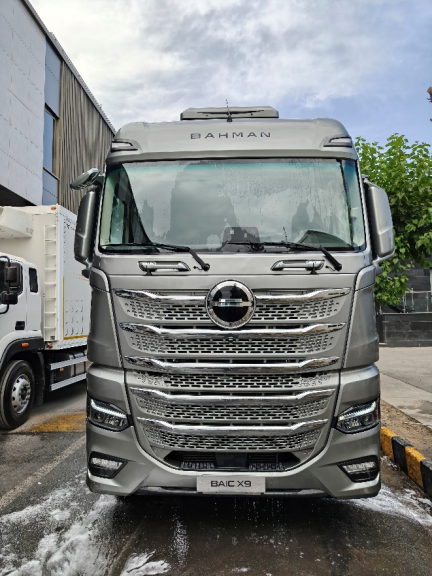
Freight Truck: The Flexible Backbone of Cross-Regional Logistics
Why freight truck dominates inter-state and cross-border freight movement
No other transport mode matches the combination of door-to-door reach, speed, and cost that a freight truck offers for medium- to long-haul routes. Road networks connect virtually every origin and destination—eliminating the transshipment required by rail or ocean—and enabling direct, flexible service from warehouse to retail shelf. Cross-border trucking benefits from harmonized customs frameworks like the U.S. Customs-Trade Partnership Against Terrorism (C-TPAT), which streamlines inspections and reduces border delays. Trucks also handle diverse cargo types—from raw materials to finished consumer goods—without requiring mode changes. For manufacturers and retailers moving goods across state lines or international borders, the freight truck remains the default choice because it delivers predictable, end-to-end control.
Comparative advantage over rail, air, and ocean for time-sensitive, fragmented, or last-mile–dependent shipments
Freight trucks occupy the critical middle ground between cost and speed: faster than ocean or rail but far more economical than air for most shipments. Air cargo excels for high-value, low-weight items but depends on ground transport at both ends and faces strict weight and size limits. Rail is energy-efficient for bulk commodities but constrained by fixed infrastructure, terminal handoffs, and inflexible schedules. Ocean shipping remains the most cost-effective for large, non-urgent international loads—but adds weeks of transit and port-handling complexity. In contrast, a freight truck provides true end-to-end service, adapts seamlessly to partial loads, and integrates directly with final delivery points. This agility makes it indispensable for supply chains serving e-commerce, just-in-time manufacturing, and last-mile–dependent fulfillment.
Smart Routing and Real-Time Technology for Freight Truck Optimization
AI-driven dynamic routing: reducing deadhead miles and transit time across regional corridors
AI-powered dynamic routing helps freight truck operators cut empty miles and shorten delivery times on cross-regional routes. By analyzing live traffic feeds, weather data, and historical congestion patterns, the system recommends the most fuel-efficient path in real time—not a static route set at dispatch. Dispatchers receive automated adjustments that avoid accidents, construction zones, or peak-hour bottlenecks. This intelligence directly reduces deadhead miles—the unloaded travel between loads—by aligning trucks with the next available pickup without unnecessary detours. On multi-state regional lanes, AI routing consistently trims transit times by 15–25% and lowers fuel costs per mile, delivering a more responsive, sustainable fleet.
Telematics, traffic APIs, and predictive ETA tools enhancing freight truck dispatch precision
Telematics sensors and integrated traffic API feeds give fleet managers a live view of every freight truck—tracking speed, idling, fuel use, and driver behavior in real time. Predictive ETA algorithms combine this live data with historical trip performance to forecast arrival windows within minutes, not hours. When disruptions occur—a traffic incident, weather delay, or dock congestion—the system automatically recalculates ETAs and alerts drivers and customers simultaneously. This level of dispatch precision reduces dwell time at loading docks, improves on-time delivery rates, and strengthens shipper-carrier trust. By embedding real-time intelligence into planning workflows, logistics teams maintain load balance and respond to volatility without operational whiplash.
Load Consolidation and Digital Matching to Maximize Freight Truck Utilization
The $29B capacity gap: how underutilized freight truck assets erode cross-regional efficiency
A $29 billion capacity gap persists in cross-regional logistics due to widespread freight truck underutilization—most visibly in excessive empty miles. When trailers move partially loaded or return empty after deliveries, carriers absorb full fuel, labor, and maintenance costs without corresponding revenue. This inefficiency cascades through the supply chain: shippers face higher rates, fleets see squeezed margins, and carbon emissions rise unnecessarily. According to the American Transportation Research Institute (ATRI), empty miles account for nearly 20% of total U.S. truck miles—representing a massive opportunity for optimization that is both economically and environmentally urgent.
How digital load-matching platforms boost trailer fill rates and reduce empty miles
Digital load-matching platforms close this gap by connecting available freight capacity with nearby shipments in real time. Using intelligent algorithms, these systems identify backhaul opportunities—loads that fit a truck’s return route after a primary delivery—while accounting for cargo dimensions, timing windows, and geographic constraints. Unlike static broker boards, modern platforms dynamically match loads based on live location and schedule feasibility, increasing trailer fill rates by up to 30%. The result is fewer deadhead miles, lower fuel consumption, faster asset turnover, and improved profitability for carriers. Shippers gain access to more consistent, competitively priced cross-regional capacity—turning underused assets into reliable network capacity.
Infrastructure and Regulatory Levers That Enable Freight Truck Performance
ELD compliance, border checkpoint modernization, and dedicated freight truck lanes
Electronic logging device (ELD) mandates have fundamentally improved freight truck safety and regulatory transparency—reducing fatigue-related incidents while simplifying roadside inspections and cross-border documentation. As U.S. Customs and Border Protection (CBP) increasingly requires digital logs for pre-clearance, ELD compliance has become essential for seamless international operations. Meanwhile, modernized border checkpoints—equipped with automated pre-inspection kiosks, remote document verification, and trusted traveler lanes—cut average wait times from hours to minutes. On major freight corridors, dedicated truck lanes—physically separated from general traffic—enable consistent speeds even during peak congestion, slashing delivery variability by up to 30%. Together, these infrastructure and regulatory upgrades create a more predictable, efficient, and safe operating environment where freight truck performance and compliance reinforce one another.
FAQ
Why are freight trucks essential for cross-regional logistics?
Freight trucks provide unmatched door-to-door service, speed, and cost-effectiveness, making them ideal for medium- to long-haul shipments. They eliminate the need for transshipment and offer adaptability to diverse cargo types.
What makes freight trucks superior to other modes of transport for time-sensitive shipments?
Freight trucks strike a balance between cost and speed, offering faster services than ocean or rail and more economical solutions than air, especially for last-mile or fragmented deliveries.
How does AI-driven routing enhance freight truck operations?
AI-driven routing analyzes real-time traffic, weather, and congestion data to recommend efficient paths, reduce empty miles, and minimize transit times.
What is the impact of digital load-matching platforms on freight truck utilization?
Digital load-matching platforms increase trailer fill rates and reduce empty miles by dynamically connecting available capacity with suitable shipments in real-time, improving profitability and reducing emissions.
How do regulatory measures improve freight truck performance?
Regulatory measures like ELD compliance, modernized border checkpoints, and dedicated freight truck lanes improve safety, operational transparency, and travel efficiency for cross-regional freight movements.
Table of Contents
- Freight Truck: The Flexible Backbone of Cross-Regional Logistics
- Smart Routing and Real-Time Technology for Freight Truck Optimization
- Load Consolidation and Digital Matching to Maximize Freight Truck Utilization
- Infrastructure and Regulatory Levers That Enable Freight Truck Performance
-
FAQ
- Why are freight trucks essential for cross-regional logistics?
- What makes freight trucks superior to other modes of transport for time-sensitive shipments?
- How does AI-driven routing enhance freight truck operations?
- What is the impact of digital load-matching platforms on freight truck utilization?
- How do regulatory measures improve freight truck performance?