 EN
EN

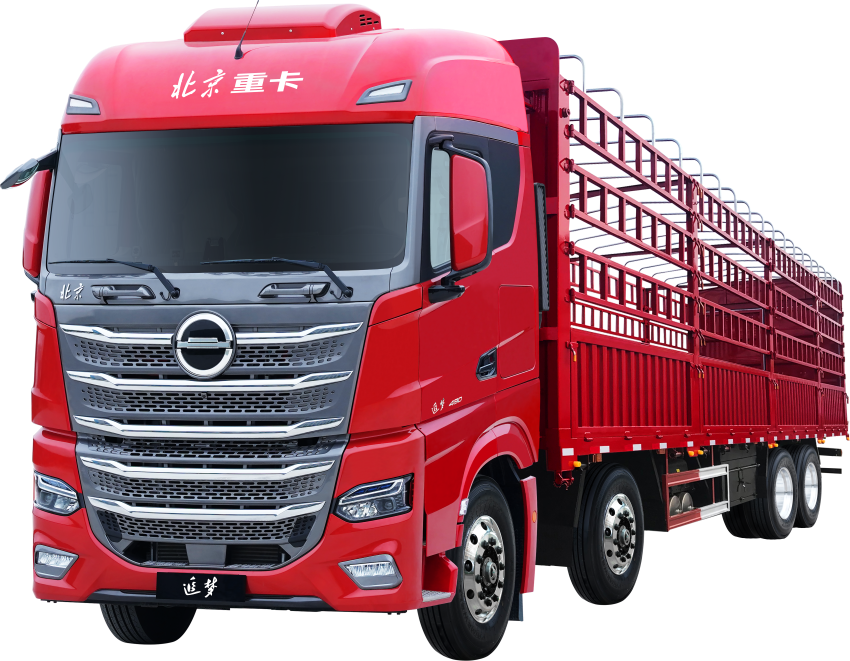
What Determines the Longevity of a Cargo Truck?
Understanding Average Mileage Expectations for Cargo Trucks
Industry studies show most modern cargo trucks reach 500,000–750,000 miles with proper care, though 27% exceed 1 million miles in optimal conditions (NACFE 2023 Report). These benchmarks depend on three critical factors: engineering design, operating conditions, and maintenance discipline.
Key Engineering and Design Factors That Enhance Durability
| Component | High-Durability Feature | Impact on Lifespan |
|---|---|---|
| Frame Material | High-strength steel alloys | Resists cargo stress +20% |
| Engine Design | Forged internal components | Extends rebuild intervals |
| Suspension System | Multi-stage dampening | Reduces structural fatigue |
Leading manufacturers combine these elements with ISO-certified production standards, resulting in cargo trucks that withstand 80% more load cycles than minimum regulatory requirements. This foundational durability enables long-term performance under repeated heavy loads.
How Operating Conditions Impact Cargo Truck Lifespan
City driving really wears down brakes faster than highway trips, with studies showing urban conditions can boost brake wear by around 42% according to the 2024 Commercial Fleet Report. And don't forget about those coastal areas where high temps actually speed up rust formation by as much as 3.5 times over normal rates. On the flip side, when fleets get serious about securing loads properly, they see about an 18% drop in frame stress which helps prevent early wear and tear problems. The whole operational environment plays a big role in how fast parts break down, so smart route choices and careful cargo management aren't just nice to have but absolutely critical for getting the most miles out of vehicles before replacement becomes necessary.
Real-World Data: Cargo Trucks Exceeding 1 Million Miles
A 10-year analysis of 12,000 cargo trucks found that 9% achieved 1.2 million miles without major component replacements. The common thread? Operators who followed predictive maintenance schedules reduced unexpected repairs by 61% compared to reactive approaches. These high-mileage outliers demonstrate that disciplined maintenance—not just robust engineering—drives exceptional longevity.
Engineered for Endurance: The Role of Diesel and Electric Powertrains
Heavy-Duty Diesel Engines: Built for High-Mileage Performance
Diesel powertrains remain the backbone of cargo truck reliability, with 79% of long-haul operators prioritizing them for extreme mileage (Purdue University 2021). These engines typically achieve 300,000–500,000 miles before major overhauls thanks to:
- Cast-iron cylinder blocks resisting thermal stress during extended hauls
- Turbo compounding systems recovering 7–12% of wasted exhaust energy
- Engine brake integrations reducing brake wear by 40% on downhill routes
A 2021 Material Durability Study found diesel powertrains retain 92% of original torque output after 250,000 miles—critical for maintaining performance under full payload conditions.
Why Diesel Dominates Long-Haul Cargo Truck Fleets
Three factors explain diesel’s 87% market share in heavy freight:
| Factor | Diesel Advantage | Electric Current Limitation |
|---|---|---|
| Peak Torque | 1,850 lb-ft @ 1,200 RPM | 1,200 lb-ft (requires gearing loss) |
| Refuel Time | 15 minutes | 6–10 hours (350 kW charging) |
| Network Readiness | 150,000 U.S. fuel stations | <800 public Megawatt hubs |
Fleet managers report 23% lower maintenance costs per mile with diesel versus emerging electric alternatives (Purdue University 2021), reinforcing its dominance in long-haul applications where uptime and range are paramount.
Electric vs. Diesel: Comparing Long-Term Durability in Cargo Trucks
While electric powertrains have 40% fewer moving parts, battery degradation introduces new longevity challenges:
- Cycle Life: Top lithium-ion packs retain 80% capacity after 3,000 cycles, far below diesel engines exceeding 15,000 operational cycles
- Thermal Management: Active cooling systems add 120–180 lbs of complexity versus diesel’s passive heat dissipation
- Resale Value: Early electric models show 55% faster depreciation than diesel counterparts
To address this, manufacturers are adopting modular battery designs that allow incremental upgrades—potentially extending service life and improving total cost of ownership over time.
Maintenance Strategies That Maximize Cargo Truck Lifespan
Essential Maintenance Routines for High-Mileage Cargo Trucks
Daily inspections and predictive maintenance separate top-performing fleets from average ones. A 2025 Fleet Optimization Study found telematics-driven programs reduced unplanned downtime by 34%. Leading operators implement:
- Pre-shift walkarounds checking tires, brake lines, and fluid levels
- Oil changes every 20k miles using synthetic blends certified for diesel engines
- Suspension inspections after heavy loads or rough terrain
These routines catch small issues before they escalate into costly failures.
Critical Engine Care: Oil, Filters, and Scheduled Inspections
For diesel engines powering 78% of long-haul trucks, strict adherence to lubrication protocols is non-negotiable. Manufacturers like Cummins and Detroit Diesel recommend:
- 15k-mile oil analysis to detect coolant contamination or metal wear
- Dual fuel filter replacements every 30k miles to protect high-pressure injectors
- Turbocharger inspections every 100k miles for carbon buildup and shaft play
Early detection through routine diagnostics prevents cascading damage across interconnected systems.
How Consistent Maintenance Reduces Long-Term Operating Costs
Vehicles maintained through consistent programs tend to save around 25% on repair bills per mile across five year periods according to fleet managers. Getting ahead of problems stops small issues from becoming big headaches down the road. Take air compressors for instance those costing about $400 if replaced before they fail can stop much bigger expenses later when contaminants wreck turbochargers worth thousands. The math checks out too studies indicate spending just one dollar on engine checks typically prevents needing to spend thirteen dollars fixing parts later. That kind of return makes good sense for any business looking after their vehicle investments long term.
Driving Habits and Operational Practices That Extend Mileage
How Driver Behavior Affects Cargo Truck Wear and Efficiency
Smooth acceleration and anticipatory braking reduce mechanical strain by up to 40% compared to aggressive driving (Epika Fleet, 2024). Key habits include:
- RPM management: Keeping engine speeds below 2,000 RPM during acceleration lowers cylinder wear
- Cruise control usage: Steady highway speeds cut transmission stress by 18–22% (ACT News 2023)
- Idle minimization: Limiting idle time to under 15 minutes daily reduces particulate filter replacements by 37%
Eco-driving trained operators achieve 22% better fuel efficiency and 31% lower brake maintenance costs over 500,000 miles.
Case Study: Fuel-Efficient Techniques Boosting Cargo Truck Longevity
A 3-year Stemco study of 450 trucks quantified the impact of operational best practices:
| Technique | Mileage Improvement | Maintenance Cost Reduction |
|---|---|---|
| Predictive gear shifting | +9% fuel efficiency | -18% clutch replacements |
| Progressive braking | +14% brake life | -$2,100/100k miles |
| Aerodynamic adaptations | +12% highway MPG | -27% turbocharger repairs |
Fleets combining driver behavior analytics with monthly coaching reached an average of 863,000 miles before major overhauls—34% above industry norms—proving that operational discipline extends both efficiency and lifespan.
Trusted by Long-Haul Drivers: Why Reliability Wins Over Cost
Why Professional Drivers Trust High-Mileage Cargo Trucks
Long-haul drivers overwhelmingly prioritize reliability, with 83% valuing proven durability over initial cost savings. They rely on trucks capable of 500,000+ miles without major overhauls, citing predictable maintenance and minimal downtime as deciding factors. Trust is earned through:
- Component standardization: Simplifies field repairs and part sourcing
- Proven powertrains: Decades of real-world refinement ensure consistency
- Load adaptability: Reinforced frames handle 20%+ payload variance safely
This confidence translates into longer tenures and higher utilization rates.
Driver Testimony: Operating the Same Cargo Truck Beyond 750,000 Miles
Marcus K., a seasoned driver who's logged an impressive 782,000 miles on his 2016 truck, knows what keeps these machines running smooth. "Trying to coddle the truck won't help," he says. "These rigs are built to take punishment day after day." He sticks to changing the oil every 25 grand miles without fail, yet somehow those factory parts just keep going strong. Looking at industry data paints a similar picture. Vehicles that hit over 750k miles typically cost about 23 percent less per mile for repairs compared to their younger counterparts. Makes sense when you think about how manufacturers design these heavy duty trucks for long term reliability rather than quick turnover.
Fleet Strategy: Prioritizing Durability and Total Cost of Ownership
Smart fleet managers are shifting focus from just buying cheap trucks to looking at what it really costs over a decade of operation. Take a logistics firm somewhere in the Midwest as an example they managed to rack up around 1.2 million miles on their fleet of 42 trucks. How? They started using fancy computer programs to predict when parts would fail, trained their drivers better, and bought replacement parts in big batches whenever possible. The numbers back this approach up too recent studies show trucks maintained this way sell for about 19 percent more later on, and insurance companies actually charge 12 percent less for coverage. So while it might seem expensive upfront, spending money on keeping trucks running longer actually saves cash throughout their whole working life.
FAQ
-
What mileage do cargo trucks usually reach?
Most modern cargo trucks reach 500,000–750,000 miles with proper maintenance, though 27% can exceed 1 million miles under optimal conditions.
-
Why are diesel engines preferred for cargo trucks?
Diesel engines offer high peak torque, quicker refuel times, and widespread network support, making them ideal for long-haul applications.
-
How does maintenance affect the lifespan of cargo trucks?
Consistent maintenance routines can reduce repair bills by 25% and prevent small issues from becoming major problems.
-
What operational practices boost truck longevity?
Smooth acceleration, anticipatory braking, and eco-driving techniques contribute to better fuel efficiency and reduced brake maintenance costs.
-
Do electric trucks face any longevity challenges compared to diesel?
Electric trucks face battery degradation issues, thermal management complexities, and higher depreciation compared to diesel counterparts.
Table of Contents
- What Determines the Longevity of a Cargo Truck?
- Engineered for Endurance: The Role of Diesel and Electric Powertrains
- Heavy-Duty Diesel Engines: Built for High-Mileage Performance
- Why Diesel Dominates Long-Haul Cargo Truck Fleets
- Electric vs. Diesel: Comparing Long-Term Durability in Cargo Trucks
- Maintenance Strategies That Maximize Cargo Truck Lifespan
- Driving Habits and Operational Practices That Extend Mileage
- Trusted by Long-Haul Drivers: Why Reliability Wins Over Cost