 EN
EN

Evaluating Heavy Haulage Transport Challenges and Engineering Demands
Managing a large-scale commercial transport network requires balancing tight delivery schedules against escalating operational expenditures, volatile fuel pricing, chronic driver shortages, and tightening environmental regulations across global shipping corridors. Logistics enterprises frequently encounter severe mechanical friction driven by excessive fuel consumption, premature powertrain wear, and structural fatigue on long-distance heavy haulage routes. Years of hands-on involvement in commercial fleet logistics demonstrate that sustainable cost containment stems from holistic vehicle engineering oversight rather than isolated budget cuts or temporary quick fixes. When transport organizations establish rigorous baseline inspections, transparent performance tracking, and standardized operating procedures, they lay a resilient foundation for long-term fiscal health and scalable freight operations. In addition, adopting cross-functional fleet audits enables operations managers to uncover hidden logistical bottlenecks that typically evade standard corporate financial reviews, ensuring complete administrative oversight across all dispatch centers and regional terminals.
Powertrain Mechanics and Torque Distribution in Long-Distance Hauling
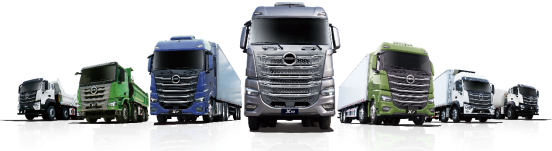
Operating massive commercial freight combinations across diverse topographical regions exposes severe limitations in conventional internal combustion engine configurations. During extended highway climbs and high-payload transit phases, traditional powertrains experience intense thermodynamic strain, leading to accelerated mechanical wear and excessive fuel burn. Practical field troubleshooting across regional distribution hubs reveals that micro-frictional losses within legacy drive systems account for significant profit leakage. Transitioning toward a modern tractor head architecture fundamentally alters vehicle performance dynamics by combining robust internal combustion power plants with responsive multi-speed transmission gearing and intelligent axle configurations. This sophisticated setup smooths out torque delivery during high-resistance transit stages, preventing the thermal spikes that typically degrade engine components prematurely. Observing these operational shifts on active shipping routes underscores why engineering resilience is paramount for modern commercial transport sustainability.
Advanced Aerodynamic Design and Fuel Optimization Frameworks
Achieving true operational excellence relies heavily on the aerodynamic refinement and fuel management systems embedded within contemporary heavy-duty transport vehicles. Modern commercial transport heavily benefits from manufacturing breakthroughs that minimize drag coefficients through streamlined cabin profiling, integrated roof fairings, side-extended chassis skirtings, and optimized gap management between the cab and the semi-trailer. Computational fluid dynamics studies and international commercial transport research groups consistently highlight that such structural streamlining can substantially reduce total volumetric fuel consumption over extended highway mileage compared to legacy commercial units. Furthermore, precise electronic fuel injection mapping and smart idle management systems reduce unnecessary fuel waste during extended loading delays and urban congestion phases, significantly lowering routine operating expenditures across major logistics networks. Integrating automated diagnostic tools empowers fleet managers to move from reactive administration to precision engineering.
Operator Ergonomics, Safety Systems, and Fatigue Mitigation
Human capital remains a decisive yet frequently underestimated variable in heavy industrial fleet economics and daily route safety. Operating massive haul equipment across crowded interstate corridors requires exceptional visibility, intuitive control interfaces, and advanced fatigue-mitigation features. Experienced fleet supervisors understand that operator comfort directly influences productivity and safety compliance. Modern commercial tractor units feature vibration-dampened cabs, ergonomic multi-adjustable seating, advanced climate control, and comprehensive digital dashboard interfaces that minimize cognitive load during extended driving shifts. Furthermore, integrating collision mitigation radar, lane departure warning systems, electronic stability control, and advanced braking assist technologies safeguards personnel against catastrophic highway accidents, protecting valuable human capital and lowering third-party liability burdens while fostering a secure workplace culture across demanding transportation sectors worldwide.
Proactive Maintenance Protocols and Telematics Integration
Unplanned vehicular breakdowns represent one of the most destructive drains on transportation budgets, frequently triggering costly emergency towing, expedited replacement part shipments, missed delivery windows, and severe client dissatisfaction. Shifting away from legacy reactive repair models toward predictive maintenance utilizing real-time telematics fundamentally alters fleet reliability and workshop efficiency. Continuous remote monitoring of powertrain telemetry, battery cell degradation metrics, exhaust gas temperatures, fluid pressures, and braking system stress allows maintenance teams to address micro-frictional wear long before catastrophic component failure occurs. This transparent, data-backed methodology guarantees that every commercial transport asset functions at peak performance, drastically minimizing unexpected workshop downtime, optimizing shop labor scheduling, and preserving vehicle resale value across demanding multi-year service lifecycles without relying on guesswork or outdated inspection schedules.
Strategic Asset Procurement and Scalable Supply Chain Growth
Achieving true operational excellence ultimately requires aligning technical equipment selection with broader corporate growth objectives and resilient supply chain partnerships. Consolidating telematics performance data empowers management teams to identify systemic routing inefficiencies, forecast seasonal capacity shifts, and optimize asset replacement schedules with absolute precision. Delivering long-term profitability in competitive global markets depends on securing robust, precision-engineered transport equipment backed by comprehensive manufacturing expertise and dependable global supply chain support. Through advanced production frameworks, stringent metallurgical testing, and rigorous quality control standards, NextAR delivers heavy-duty tractor head solutions engineered to withstand punishing operational environments while maximizing fleet uptime, ensuring that global logistics enterprises maintain a distinct competitive edge.
Table of Contents
- Evaluating Heavy Haulage Transport Challenges and Engineering Demands
- Powertrain Mechanics and Torque Distribution in Long-Distance Hauling
- Advanced Aerodynamic Design and Fuel Optimization Frameworks
- Operator Ergonomics, Safety Systems, and Fatigue Mitigation
- Proactive Maintenance Protocols and Telematics Integration
- Strategic Asset Procurement and Scalable Supply Chain Growth