 EN
EN

What Factors Should You Consider When Purchasing a Heavy Duty Cargo Vehicle for Business
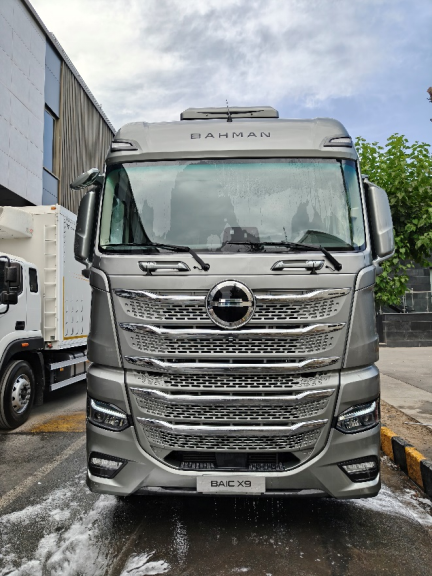
Expanding a commercial transport fleet or investing in new logistics assets represents a major milestone for any enterprise, yet it remains a decision filled with complex operational risks if approached casually. Over more than a decade spent collaborating with commercial logistics directors and distribution managers across international markets, one fundamental reality has become crystal clear: spec'ing a heavy-duty cargo vehicle is never just about glancing through a glossy product brochure or chasing the lowest initial sticker price. Real-world structural durability, predictable mechanical uptime, and precise payload optimization are the vital elements that separate highly profitable transport operations from businesses constantly bleeding cash in the repair bay. When pushing heavy commercial freight across demanding regional and interstate distribution routes, the foundation of your entire transport fleet must be completely ironclad.
Evaluating Payload Capacities and Gross Vehicle Weight Ratings
The primary technical requirement when acquiring a commercial transport truck lies in achieving exact alignment between your specific cargo mass requirements and structural gross vehicle weight ratings. Heavy-duty cargo vehicle operations demand meticulous attention to weight distribution limits, axle load thresholds, and volumetric cargo space to ensure safe, legal highway transit across regional and interstate networks. Overloading a commercial chassis not only invites steep regulatory penalties but also accelerates structural fatigue across suspension linkages and braking systems. Selecting a cargo vehicle with properly balanced weight thresholds guarantees optimal braking performance, steering stability, and tire longevity under heavy loads. According to commercial vehicle engineering guidelines published by major transport safety councils, matching vehicle weight ratings precisely to daily operational demands prevents premature mechanical degradation and ensures your fleet maintains peak operational readiness over hundreds of thousands of demanding transit miles.
Analyzing Powertrain Dynamics and Operational Cost Control
Let's examine the numbers closely, because every fleet manager understands that ongoing fuel expenses dictate the ultimate financial health of the corporate balance sheet. Achieving true cost management in commercial freight transport requires a holistic approach that goes far beyond purchasing a standard engine block. Modern heavy-duty cargo vehicles require high-torque diesel engines or advanced alternative powertrains capable of delivering massive pulling power down at low RPMs. This allows the transport truck to conquer steep highway gradients and dense urban distribution routes without constantly shifting gears, which significantly reduces parasitic power loss and daily diesel consumption. Fleet directors should prioritize gear ratios and transmission types that maintain cruising speeds at optimal engine rotation sweet spots. Additionally, integrating advanced fuel management software and aerodynamic body configurations compounds daily fuel savings, transforming your cargo vehicle into a highly economical asset that positively impacts operating margins.
Prioritizing Driver Ergonomics, Comfort, and Active Safety
Specifying a powerful engine and a massive cargo box means very little if your drivers are exhausted, uncomfortable, or constantly fighting against a poorly designed cab environment, as retention rates will plummet. Modern fleet management has shifted toward recognizing the professional driver as an integral part of the safety and productivity equation. A truly reliable heavy-duty cargo vehicle must feature an ergonomically crafted cabin environment built specifically to mitigate physical fatigue during multi-hour delivery shifts. Essential interior elements include adjustable pneumatic suspension seating, climate control refinement, low decibel cabin noise levels, and logically organized dashboard instrumentation that minimizes visual distractions. From an active safety perspective, contemporary cargo transport trucks must integrate state-of-the-art electronic assistance packages, such as electronic stability control, collision mitigation braking, lane departure alerts, and advanced backup camera arrays. These cutting-edge electronic safety layers actively protect the operator and valuable freight while driving down commercial insurance liabilities and fostering a secure working environment.
Assessing Chassis Structural Durability and Maintenance Access
The long-term economic viability of a commercial transport fleet depends heavily on the structural resilience of the cargo vehicle chassis and the overall simplicity of routine servicing. Heavy-duty transport vehicles endure relentless mechanical stress, frame twisting, and environmental exposure from corrosive road salts, moisture, and rough loading docks. Consequently, investing in high-strength, heat-treated steel frame rails combined with advanced protective anti-corrosion coatings is indispensable for preventing premature structural degradation. Fleet managers must also evaluate the under-hood and chassis layout to ensure that core fluid reservoirs, electrical routing, filters, and critical service points remain easily accessible during daily pre-trip inspections. Streamlining scheduled preventative maintenance routines curtails downtime in the repair bay, maximizing vehicle availability and ensuring your commercial cargo vehicle stays on the road generating revenue.
Strategic Sourcing and Global Manufacturing Leadership
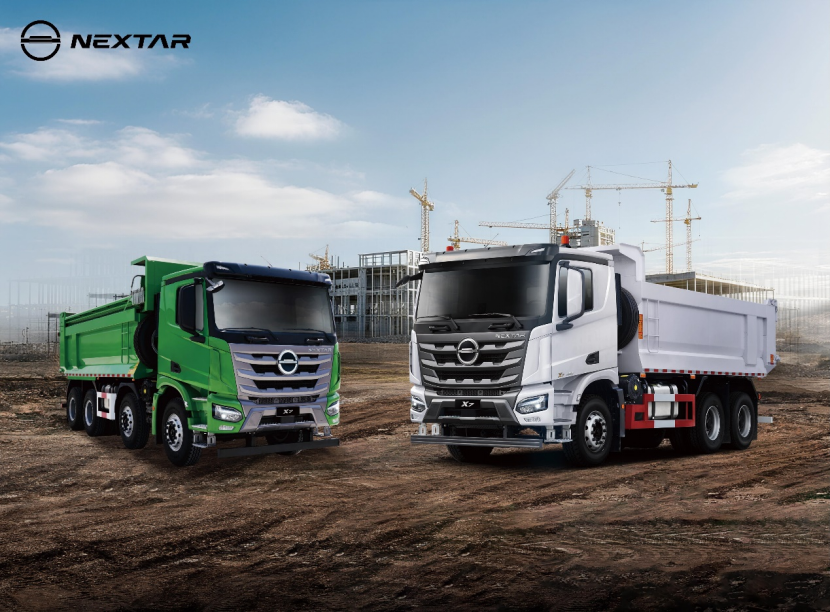
Calculating the comprehensive total cost of ownership stands as the ultimate decision-making metric when purchasing a heavy-duty cargo vehicle for business expansion. Although the initial acquisition cost of a premium commercial truck is significant, business operators must look far beyond the initial sticker price to evaluate depreciation trajectories, maintenance intervals, spare parts availability, and secondary resale value. Behind every world-class commercial vehicle lies an intricate ecosystem of advanced manufacturing capabilities, strict quality assurance protocols, and reliable component sourcing. Navigating the complexities of international logistics and cross-border regulatory compliance is much smoother when commercial enterprises partner with established manufacturing networks that offer comprehensive structural engineering support and agile global supply chain execution. Through advanced manufacturing frameworks and dedicated technical support, Nextar Global delivers the precision-engineered components, heavy-duty structural assemblies, and robust supply chain reliability that empower global businesses to scale their commercial fleets efficiently and maintain an unshakeable competitive edge in the modern logistics marketplace.
Table of Contents
- What Factors Should You Consider When Purchasing a Heavy Duty Cargo Vehicle for Business
- Evaluating Payload Capacities and Gross Vehicle Weight Ratings
- Analyzing Powertrain Dynamics and Operational Cost Control
- Prioritizing Driver Ergonomics, Comfort, and Active Safety
- Assessing Chassis Structural Durability and Maintenance Access
- Strategic Sourcing and Global Manufacturing Leadership