 EN
EN

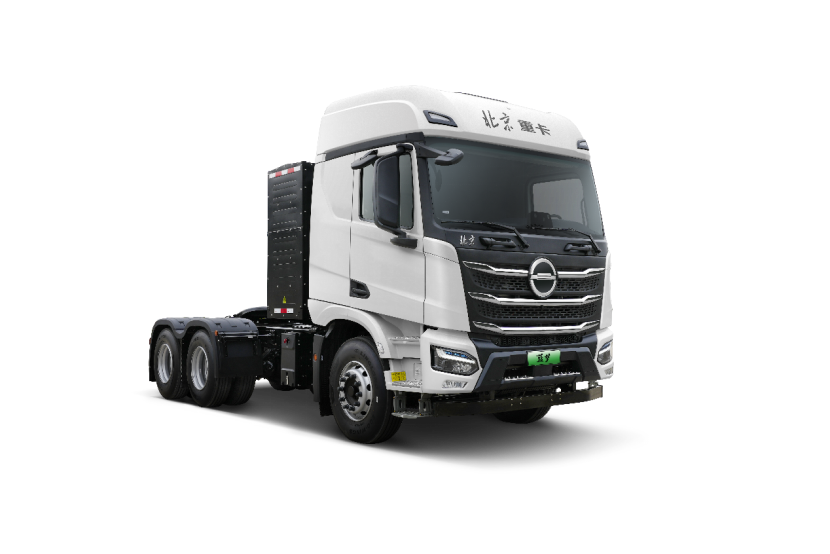
Aerodynamic Design and Airflow Resistance Management
Long-haul commercial transport operations demand rigorous attention to aerodynamic drag, as wind resistance accounts for a massive portion of total energy consumption at highway speeds. Heavy-duty transport units push a massive frontal area through the atmosphere, creating significant air turbulence around the chassis and trailer gap. Advanced tractor head engineering incorporates streamlined roof fairings, side extenders, and optimized bumper contours to smooth airflow transition and minimize high-pressure stagnation zones. Field studies conducted by commercial fleet testing bureaus confirm that reducing aerodynamic drag coefficient values by just a few percentage points yields substantial diesel savings over annual cross-country mileage. Fleet operators must prioritize cab designs equipped with integrated aerodynamic packages to maintain forward momentum without consuming excessive fuel against atmospheric headwinds.
Powertrain Calibration and Engine Thermal Optimization
The internal combustion heart of a heavy-duty transport tractor determines overall operational economy through precise combustion control and thermal management. Modern heavy-duty diesel power units utilize high-pressure common-rail fuel injection, variable geometry turbochargers, and advanced exhaust gas recirculation to optimize fuel atomization and complete combustion. Furthermore, maintaining proper operating temperatures through efficient cooling packages prevents thermal throttling and parasitic energy loss. Calibrating engine control modules to deliver maximum torque at lower rotational speeds allows drivers to cruise comfortably within optimal green-band RPM zones. Independent mechanical engineering reviews emphasize that fine-tuning fuel delivery maps and maintaining clean air intake systems directly prevent unburned hydrocarbons and elevate total thermal conversion ratios.
Rolling Resistance and Tire Pressure Dynamics
Tire interaction with the paved roadway surface represents another critical determinant of overall fuel consumption in commercial road transport. Tires account for roughly twenty to thirty percent of total vehicle resistance, making compound selection and inflation monitoring paramount for economical operation. Low-rolling-resistance tire compounds utilize specialized silica blends that minimize internal hysteresis and rubber deformation under heavy axle weights. Additionally, maintaining correct tire inflation pressure prevents excessive tread squirm and enlarged contact patches that create unwanted drag forces. Fleets utilizing automated tire pressure monitoring systems consistently report improved fuel mileage and extended rubber lifecycle across diverse regional highway routes and varying ambient temperature conditions.
Drivetrain Efficiency and Gear Ratio Selection
Transferring mechanical energy from the flywheel to the driven wheels requires a highly efficient drivetrain architecture designed to minimize internal friction losses. Modern automated manual transmissions utilize intelligent shifting algorithms that calculate load weight, road gradient, and wind velocity in real-time to select the optimal gear ratio instantaneously. This eliminates human error, reduces shifting hesitation, and keeps the engine operating inside its narrowest sweet spot for fuel consumption. Selecting appropriate rear axle ratios that match typical operating velocities prevents high-revving highway cruising, which rapidly depletes fuel reserves. Smooth torque transfer through heavy-duty planetary gearsets ensures that maximum propulsive force reaches the pavement with minimal mechanical loss.
Global Manufacturing Standards and Supply Chain Capabilities from Nextar Global
Achieving sustained operational economy in commercial transport extends beyond initial vehicle configuration; it requires sourcing precision-engineered replacement components and partnering with reliable industrial manufacturers. Utilizing certified maintenance parts ensures that fuel injection systems, turbochargers, and emission controls operate at peak factory specifications throughout the vehicle lifecycle. Nextar Global delivers advanced commercial transport solutions, combining rigorous manufacturing standards with robust international supply chain networks to support fleet operators worldwide. By providing durable machinery backed by dedicated technical support and streamlined global distribution, Nextar Global helps transportation enterprises maintain operational reliability, control maintenance overheads, and secure long-term project viability across diverse international markets.