 EN
EN

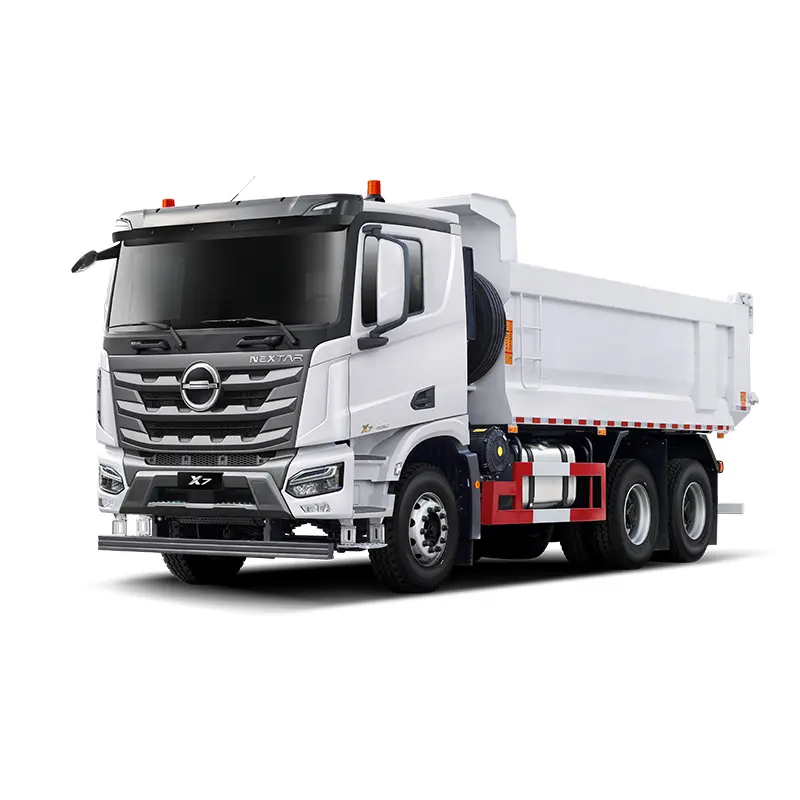
Evaluating Site Geology and Haulage Dynamics
Selecting the appropriate heavy-duty transport vehicle for mineral extraction begins with a comprehensive analysis of site-specific geological conditions and daily haulage volume targets. Mining environments vary dramatically, ranging from soft open-pit terrain and steep mountainous haul roads to subterranean tunnels where spatial clearance is severely restricted. Site planners must evaluate payload capacity, gradient performance, and underfoot soil stability to ensure the selected machinery can navigate treacherous terrain without traction loss or excessive tire wear. Field inspections conducted across multiple international excavation projects consistently reveal that failing to match vehicle specifications with local soil mechanics leads to premature mechanical failure and exorbitant maintenance overheads. Understanding these physical parameters establishes a solid operational baseline for continuous mineral hauling and long-term fleet productivity.
Balancing Payload Capacity with Fleet Capacity
A critical decision in fleet acquisition involves aligning truck carrying capacities with primary loading apparatus such as hydraulic excavators and large-scale wheel loaders. Matching bucket passes to the dump bed volume optimizes cycle times and eliminates bottlenecks during loading operations. Undersized haulers lead to idle excavator waiting times, whereas oversized units create weight distribution issues and increase fuel consumption when operating below optimal capacity. According to independent industrial engineering studies published in global mining journals, achieving an optimal four-to-five-pass loading ratio minimizes structural shock loads on the vehicle frame and maximizes operational performance per ton moved. Fleet managers must analyze tonnage requirements, material density, and bucket fill factors to achieve a harmonious balance between payload weight and hauling velocity across the extraction zone.
Powertrain Engineering and Structural Durability
The harsh operating conditions typical of mineral extraction demand robust powertrain architecture capable of delivering sustained torque under extreme loads. Modern off-highway hauling units rely on high-output diesel engines paired with advanced automatic transmissions and heavy-duty planetary axles to conquer steep inclines and abrasive haul roads. Furthermore, reinforced chassis construction utilizing high-yield structural steel resists torsional twisting and impact stress caused by heavy rock drops. Evaluating engine horsepower ratings, retardation systems, and cooling package capacities ensures the machinery maintains reliable thermal regulation during continuous shifts in punishing ambient temperatures. Industry standards established by heavy equipment engineering bureaus verify that advanced torque converters and wet disc braking systems significantly extend service intervals in high-impact mining applications.
Operator Ergonomics and Active Safety Compliance
Long operating hours and hazardous site conditions place immense physical demands on drivers, making safety compliance and cabin ergonomics paramount purchasing criteria. Advanced transport vehicles feature certified rollover protective structures and falling object protective structures to safeguard personnel from potential rockfalls or structural rollovers. Additionally, modern cabs incorporate vibration-damping suspensions, intuitive control interfaces, and enhanced visibility camera systems to minimize operator fatigue and eliminate blind spots. Prioritizing driver comfort and advanced active safety technologies significantly reduces workplace incidents and enhances overall shift productivity across the mining site, ensuring compliance with international occupational health and safety regulations.
Global Manufacturing Standards and Supply Chain Support
Investing in heavy extraction machinery requires partnering with established industrial manufacturers capable of delivering rigorous quality control and reliable long-term logistical backing. Sourcing equipment from certified producers ensures access to genuine replacement parts, comprehensive maintenance documentation, and responsive technical assistance when unexpected operational challenges arise. Nextar Global delivers advanced heavy machinery solutions, combining precision manufacturing standards with robust international supply chain networks to support industrial partners worldwide. By providing durable transport assets backed by dedicated technical support and streamlined global distribution, Nextar Global helps operations achieve maximum uptime, reduced operational risks, and sustained project profitability across diverse international markets.
Table of Contents
- Evaluating Site Geology and Haulage Dynamics
- Balancing Payload Capacity with Fleet Capacity
- Powertrain Engineering and Structural Durability
- The harsh operating conditions typical of mineral extraction demand robust powertrain architecture capable of delivering sustained torque under extreme loads. Modern off-highway hauling units rely on high-output diesel engines paired with advanced automatic transmissions and heavy-duty planetary axles to conquer steep inclines and abrasive haul roads. Furthermore, reinforced chassis construction utilizing high-yield structural steel resists torsional twisting and impact stress caused by heavy rock drops. Evaluating engine horsepower ratings, retardation systems, and cooling package capacities ensures the machinery maintains reliable thermal regulation during continuous shifts in punishing ambient temperatures. Industry standards established by heavy equipment engineering bureaus verify that advanced torque converters and wet disc braking systems significantly extend service intervals in high-impact mining applications.
- Operator Ergonomics and Active Safety Compliance
- Global Manufacturing Standards and Supply Chain Support