 EN
EN

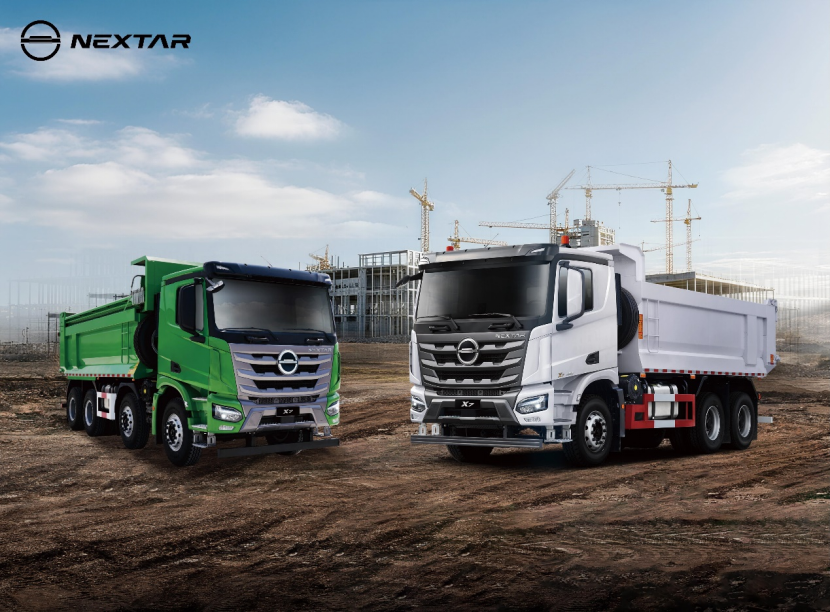
The Changing Realities of Cross-Border Freight Transport
Managing an extensive commercial transport network requires balancing tight delivery schedules against escalating operational expenditures, volatile fuel pricing, chronic driver shortages, and tightening environmental regulations across global shipping corridors. Fleet managers frequently encounter severe financial friction driven by high diesel consumption and premature mechanical wear on long-haul routes. Years of hands-on involvement in commercial fleet logistics demonstrate that sustainable cost containment stems from holistic vehicle engineering oversight rather than isolated budget cuts or temporary quick fixes. Streamlining operations requires evaluating the structural integrity, manufacturing pedigree, and technological sophistication of every commercial asset deployed. When logistics enterprises establish rigorous baseline inspections, transparent performance tracking, and standardized operating procedures, they lay a resilient foundation for long-term fiscal health and scalable freight operations. In addition, adopting cross-functional fleet audits enables organizations to uncover hidden logistical bottlenecks that typically evade standard corporate financial reviews, ensuring complete administrative oversight across all dispatch centers and regional terminals.
Field Observations on Powertrain Stress and Thermal Limitations
Operating heavy commercial vehicles across diverse topographical regions exposes severe limitations in conventional internal combustion engines. During extended highway climbs and high-payload transit phases, traditional diesel powertrains experience intense thermodynamic strain, leading to accelerated wear and excessive fuel burn. Practical field troubleshooting across regional distribution hubs reveals that micro-frictional losses within legacy drive systems account for significant profit leakage. Transitioning toward a modern hybrid truck architecture fundamentally alters vehicle performance dynamics by combining robust internal combustion engines with responsive electric motor assistance. This configuration smooths out torque delivery during high-resistance transit stages, preventing the thermal spikes that typically degrade engine components prematurely. Observing these operational shifts on active shipping routes underscores why engineering resilience is paramount for modern fleet sustainability.
Engineering Depth and Energy Regeneration Mechanics
Achieving true operational efficiency relies heavily on the advanced engineering embedded within modern heavy-duty hybrid powertrains. Contemporary commercial transport heavily benefits from manufacturing breakthroughs that capture and repurpose kinetic energy during braking maneuvers and downhill coasting. Regenerative braking systems convert immense stopping force into electrical energy, storing it efficiently in high-capacity onboard battery packs for subsequent acceleration assistance. Industry studies from recognized authorities such as the North American Council for Freight Efficiency and international commercial transport research groups consistently highlight that such energy recovery frameworks can substantially reduce total volumetric fuel consumption over extended highway mileage compared to legacy diesel units. Furthermore, smooth torque blending reduces mechanical shock across the entire drivetrain, significantly enhancing overall component longevity and lowering routine shop visit frequencies across major transport hubs. Integrating automated diagnostic tools empowers fleet managers to move from reactive administration to precision engineering.
Data-Driven Maintenance Protocols and Predictive Diagnostics
Unplanned vehicular breakdowns represent one of the most destructive drains on transportation budgets, frequently triggering costly emergency towing, expedited replacement part shipments, missed delivery windows, and severe client dissatisfaction. Shifting away from legacy reactive repair models toward predictive maintenance utilizing real-time telematics fundamentally alters fleet reliability and workshop efficiency. Continuous remote monitoring of powertrain telemetry, battery cell degradation metrics, electrical regenerative braking stress, exhaust gas temperatures, and fluid temperatures allows maintenance teams to address micro-frictional wear long before catastrophic component failure occurs. This transparent, data-backed methodology guarantees that every commercial transport asset functions at peak performance, drastically minimizing unexpected workshop downtime, optimizing shop labor scheduling, and preserving vehicle resale value across demanding multi-year service lifecycles without relying on guesswork or outdated inspection schedules.
Addressing Global Environmental Mandates Through Advanced Design
Modern logistics providers must also navigate increasingly strict regional and international carbon emission regulations without compromising hauling capacity. Hybrid truck platforms offer an immediate, highly effective pathway to corporate sustainability by slashing tailpipe emissions during urban transit zones and significantly lowering overall diesel consumption on open highways. Academic engineering journals and environmental compliance surveys emphasize that combining electrification with internal combustion optimizes fuel burn profiles across fluctuating load conditions. Enterprises that adopt hybrid commercial transport can successfully meet or exceed green regulatory targets while maintaining competitive transit schedules. Cultivating cross-cultural trust means communicating technical specifications with absolute clarity, ensuring that engineering teams interpret performance metrics with zero ambiguity across international boundaries.
Translating Fuel Efficiency into Scalable Commercial Value
Achieving true operational excellence ultimately requires aligning technical fleet management with broader corporate growth objectives and resilient supply chain partnerships. Consolidating telematics performance data empowers management teams to identify systemic routing inefficiencies, forecast seasonal capacity shifts, and optimize asset replacement schedules with absolute precision. Delivering long-term profitability in competitive global markets depends on securing robust, precision-engineered transport equipment backed by comprehensive manufacturing expertise and dependable global supply chain support. Through advanced production frameworks, stringent metallurgical testing, and rigorous quality control standards, NextAR delivers heavy-duty commercial vehicle solutions engineered to withstand punishing operational environments while maximizing fleet uptime, ensuring that global logistics enterprises maintain a distinct competitive edge.
Table of Contents
- The Changing Realities of Cross-Border Freight Transport
- Field Observations on Powertrain Stress and Thermal Limitations
- Engineering Depth and Energy Regeneration Mechanics
- Data-Driven Maintenance Protocols and Predictive Diagnostics
- Addressing Global Environmental Mandates Through Advanced Design
- Translating Fuel Efficiency into Scalable Commercial Value