 EN
EN

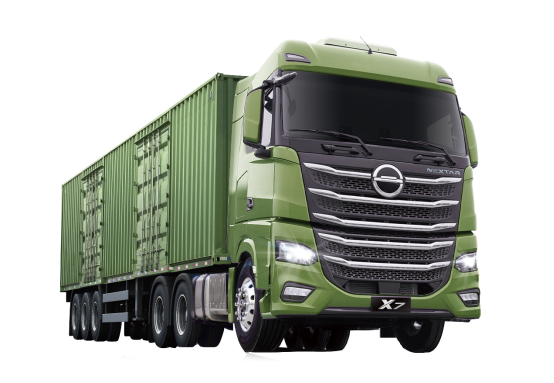
Dry Van Structural Integrity: Weatherproof Enclosure and Sealed Protection
Robust Aluminum or Fiberglass Siding with Seamless Panel Joints
Today's dry van trailers often feature marine grade aluminum or reinforced fiberglass on their sides these materials are specifically designed to resist corrosion and maintain shape even when temperatures swing wildly from one extreme to another. The panels fit together without gaps so water cant sneak in anywhere which protects valuable goods during those long trips across country roads. According to industry reports, this newer construction cuts down on weather related damage by around 98 percent compared with older models that used rivets everywhere. Plus there's another benefit the smooth exterior helps reduce wind resistance too, saving somewhere between 3 and 5 percent in fuel costs according to recent research published last year about freight transportation efficiency.
Double-Door Design with Compression Gaskets and Rain-Deflecting Overhangs
The dual rear doors come equipped with EPDM gaskets rated for compression, creating watertight seals whenever they're closed properly. Rain deflectors built right into the design work hard to push water away from door openings, even when facing those sideways storms we all hate so much. This helps cut down on water getting inside trucks, something that costs the industry around $2.3 billion each year in damages to dry goods. Combine these features with smooth sided panels and the whole system keeps humidity inside at just the right level for transporting delicate items like electronic components or medicine shipments throughout the country. Manufacturers have been making structural improvements over recent years too, which means trailers now last about 40% longer before needing replacement, while regular maintenance expenses drop by roughly 18%. These kinds of upgrades make sense both economically and operationally for fleet operators looking to protect their cargo investments.
Dry Van Security Features: Theft Deterrence and Tamper Evidence for Long-Haul Loads
Heavy-Duty Locking Mechanisms and ISO-Compliant Tamper-Evident Seals
The dry vans we're talking about come equipped with really tough steel puck locks plus reinforced bolt seals that go way beyond what ASTM F883 requires. These things need something like 15,000 pounds of force just to break through. They work together with those ISO 17712 approved tamper evident seals too. When someone tries to mess with them without permission, there are clear signs left behind - colors change, stuff breaks in specific ways that can't be fixed. This whole two part system means problems get spotted right away on long trips across country. And since companies have to check these seals at every stop along the way in their shipping operations, this setup makes life much easier for everyone involved in tracking cargo movements.
Reduced Visibility and Controlled Access as Passive Anti-Theft Strategies
Cargo can't be seen from outside thanks to the completely enclosed structure, which takes away those visual signals that might attract thieves during stops along the road or when parked somewhere not secure. Loading is only possible from the back side of the vehicle, creating what amounts to a natural choke point that reduces how much of the cargo area is actually accessible. Pair this setup with standard check in procedures at secure terminal locations, and we get a protection system that works reliably throughout long haul trips covering well over a thousand miles. The best part? It doesn't need any electricity powered surveillance equipment to function properly either.
Dry Van Load Stability: Interior Design and Securement Systems for 1,000+ Mile Hauls
Hardwood Floors, Reinforced Walls, and High-Ceiling Clearance for Dynamic Load Distribution
Hardwood flooring can handle pretty hefty loads, typically between 16k to 20k pounds, and stands up well against bumps and knocks when driving over rough roads. The walls made from reinforced aluminum or composite materials help soak up those annoying highway vibrations, which keeps the whole trailer from bending too much and potentially throwing off the cargo balance. Most trailers come with around 110 inches of headroom inside, allowing folks to stack stuff vertically smartly. Heavier boxes get placed at the bottom so everything sits lower overall, making the load more stable during transport. According to what logistics companies have seen, these setups cut down damage reports by about 23% for long hauls over 500 miles compared to older style trailers that weren't designed with such considerations in mind.
E-Track Anchors, Dunnage Options, and Industry-Standard Load Planning Protocols
E track rails that are properly spaced allow for attaching straps, chains, and load bars in multiple directions which stops things from moving sideways or forward/backward when vehicles accelerate, brake hard, or take corners. The dunnage options can be customized too, with stuff like airbags and special foam inserts that fit around odd shaped freight while also helping absorb vibrations that might damage goods. Good loading plans require putting most of the weight close to the axles and making sure everything is firmly attached across all surfaces at specific spots on the truck bed. These methods really cut down on bad securement issues, which are actually responsible for most preventable losses during long haul trips. Fleets typically lose around $100k every year because cargo wasn't secured properly according to industry reports.
Ideal Cargo Profiles for Dry Van Transportation Across National Networks
Dry vans were made specifically for transporting stuff that doesn't go bad and doesn't need temperature control throughout big supply chain networks across the country. The kind of things they carry typically include stuff like boxes of consumer products such as electronics, clothes, and furniture. Building supplies like wood and bathroom fixtures also fit right in there, along with various industrial parts including car components and machinery weighing less than 45,000 pounds. These trucks work well for all sorts of packaged goods that can be stacked inside normally sized containers. Most often we see 53 foot long trailers used for moving large volumes over long distances, while smaller 28 foot versions are better suited for deliveries in city areas. Since these vehicles keep cargo protected from rain and snow, plus their uniform size makes it easier to schedule loading docks and manage truck yards, businesses find dry vans to be pretty cost effective when shipping durable items. That's why so many manufacturers and stores rely on them as basic transportation equipment whenever something doesn't need refrigeration or special oversized handling.
FAQ
What materials are commonly used in dry van trailers?
Dry van trailers often use marine grade aluminum or reinforced fiberglass, designed to resist corrosion and maintain shape despite temperature changes.
How do dry van trailers prevent water damage?
They use seamless panel joints, EPDM compression gaskets, and rain-deflecting overhangs to create watertight structures that protect cargo from water damage.
What security features do dry vans have?
Features include steel puck locks, reinforced bolt seals, and tamper-evident seals to deter theft and identify unauthorized tampering.
How is cargo secured within dry vans?
E-track anchors, customizable dunnage options, and standard load planning protocols ensure stability during long-haul transportation.
What types of cargo are ideal for dry van transportation?
Dry vans are ideal for transporting non-perishable goods like electronics, clothes, furniture, building supplies, and industrial parts across national networks.
Table of Contents
- Dry Van Structural Integrity: Weatherproof Enclosure and Sealed Protection
- Dry Van Security Features: Theft Deterrence and Tamper Evidence for Long-Haul Loads
- Dry Van Load Stability: Interior Design and Securement Systems for 1,000+ Mile Hauls
- Ideal Cargo Profiles for Dry Van Transportation Across National Networks
- FAQ