 EN
EN

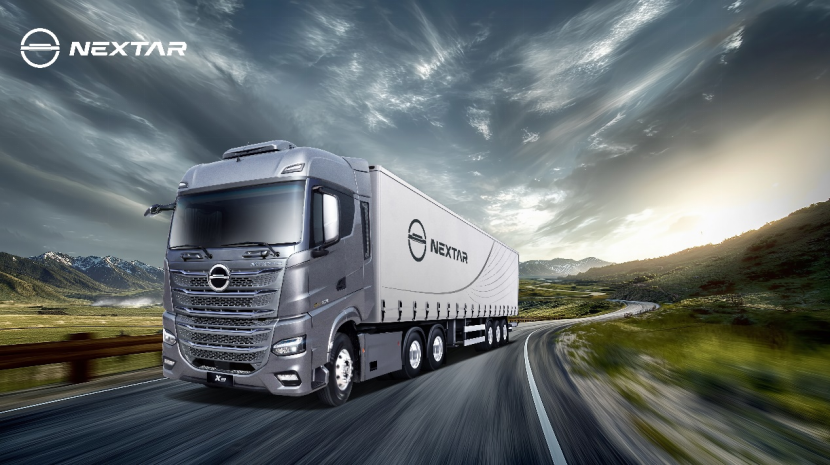
BAIC Commercial Vehicles: Engineering Efficiency for Urban and Fleet Operations
Lightweight Chassis and Fuel-Efficient Powertrains for Reduced TCO
BAIC optimizes commercial vehicles for demanding urban logistics and fleet operations through advanced engineering. High-strength, lightweight chassis materials reduce tare weight by up to 15%, increasing payload capacity without compromising structural integrity. Paired with turbocharged diesel powertrains featuring common rail direct injection, these vehicles deliver up to 8% fuel savings versus conventional designs—validated by 2023 commercial vehicle efficiency benchmarks. The result is a measurable reduction in Total Cost of Ownership (TCO), driven by lower fuel consumption and extended service intervals. All powertrains comply with China VI and Euro VI emissions standards while sustaining responsive torque delivery in stop-start urban traffic.
BAIC’s R&D Priorities: Autonomy, Connectivity, and Urban Mobility Optimization
BAIC’s strategic R&D focuses on three interlocking pillars: autonomous driving systems, vehicle-to-everything (V2X) connectivity, and AI-driven route optimization. Current production models feature Level 2+ capabilities—including predictive cruise control and lane-keeping assist—with Level 4 autonomy targeted for port logistics applications by 2025. Through partnerships with municipal infrastructure initiatives, BAIC’s connectivity suite integrates real-time traffic, parking availability, and charging station data. Machine learning algorithms analyze historical delivery patterns to dynamically optimize routes, cutting urban fleet idle time by an average of 22% in pilot deployments. These technologies collectively improve congestion resilience, fleet utilization, and driver working conditions.
BAIC’s New Energy Vehicle Strategy for Sustainable B2B Transport
BAIC’s “BLUE Plan,” launched in mid-2022, anchors its B2B decarbonization strategy—targeting peak carbon emissions by 2025 and full product-line decarbonization by 2050. To accelerate this transition, the company committed over ¥13 billion to R&D in 2024 alone, with a five-year investment of at least ¥50 billion focused on electric drive systems, battery technology, and hybrid architectures. This commitment supports commercial fleets with demonstrable TCO advantages: NEVs offer lower energy costs, reduced maintenance complexity, and longer service life. In 2023, BAIC sold more than 500,000 electric vehicles—accounting for roughly 40% of total sales—and aims to raise NEV share to over 50% by 2027. For operators, this means scalable access to zero-emission trucks and vans backed by a credible manufacturing roadmap: BAIC plans to commission one or two zero-carbon factories by 2025, integrating renewable energy and closed-loop material systems into production.
Intelligent Networking and Digital Innovation in BAIC Commercial Fleets
Smart Cockpit UX and In-Cabin Digital Integration for Driver Productivity
BAIC enhances driver productivity and safety through purpose-built smart cockpit systems. Intuitive, voice-activated controls for navigation, climate, and infotainment minimize cognitive load and visual distraction. Digital instrument clusters provide real-time diagnostics—including battery state-of-charge, regenerative braking status, and system health alerts—curated from integrated IoT sensors. Combined with ergonomic design and contextual information prioritization, this interface reduces operational errors and supports sustained focus across both urban deliveries and long-haul segments.
5G-Enabled Fleet Management and Real-Time Ecosystem Connectivity
BAIC leverages 5G networks to unify fleet operations across vehicles, hubs, and command centers. Near real-time data exchange enables granular visibility into location, cargo status, driver behavior, and route adherence. Predictive analytics—trained on anonymized, aggregated fleet data—anticipate component wear, flag inefficiencies, and recommend dynamic dispatch adjustments. Field trials show this ecosystem reduces idle time by up to 15% and improves on-time delivery accuracy by over 12%, directly lowering operational costs and strengthening service reliability for logistics partners.
BAIC’s Commitment to Future-Ready Commercial Mobility Solutions
BAIC’s commitment to future-ready mobility is grounded in sustained, outcome-oriented investment—not just in R&D scale, but in applied innovation. With annual R&D spending exceeding ¥13 billion, the company advances intelligent driving systems, next-generation battery chemistries, and interoperable V2X protocols—all aligned with its “BLUE Plan” decarbonization milestones. By 2025, BAIC will operate at least one zero-carbon factory; by 2050, its entire product line will be carbon neutral across the lifecycle. These efforts respond directly to tightening urban emissions regulations and evolving customer expectations for sustainability without trade-offs in uptime, payload, or total cost. Strategic collaborations with Tier 1 tech providers ensure seamless integration of AI-powered safety features and 5G-enabled telematics—keeping BAIC fleets compatible with emerging smart city infrastructure and positioning operators to meet tomorrow’s compliance and efficiency demands with confidence.