 EN
EN

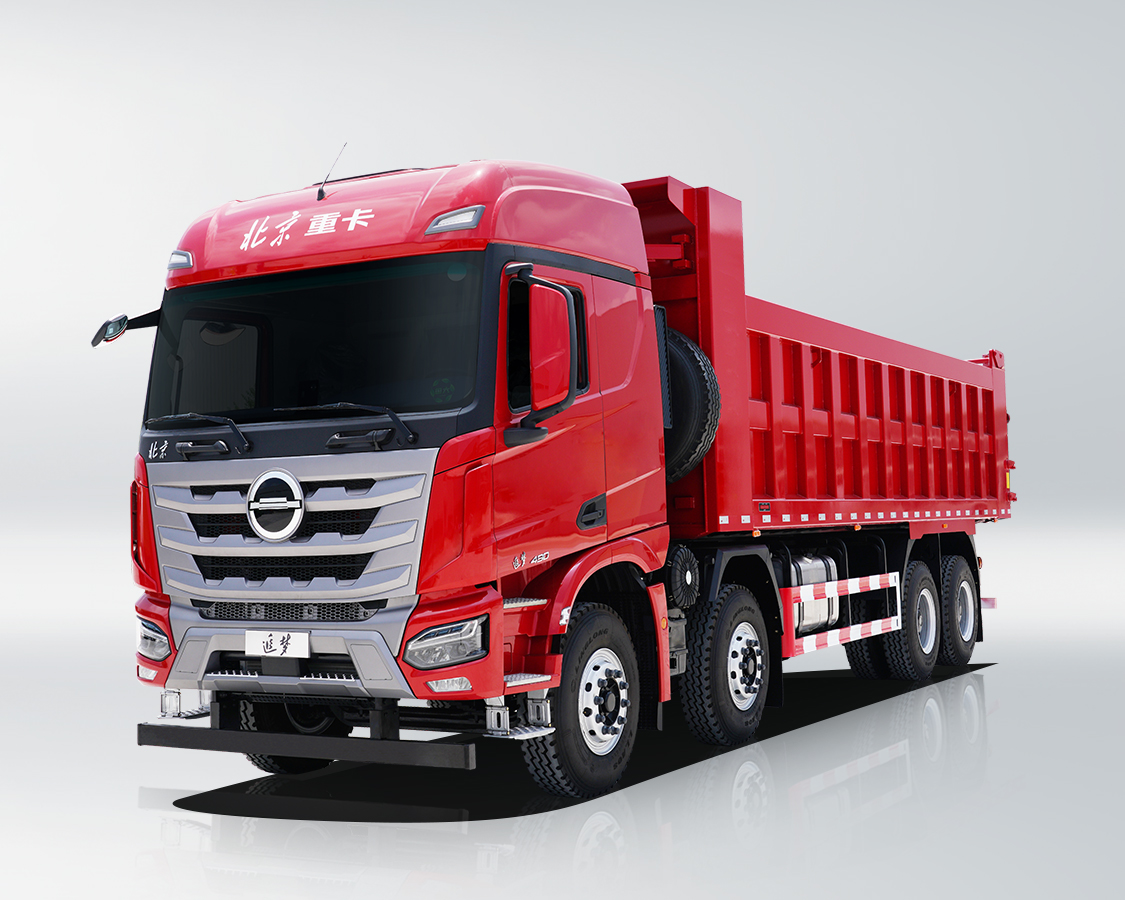
How Special Vehicle Adapts to Diverse Complex Transportation Application Scenarios
Operating across specialized commercial transport sectors requires machinery that goes far beyond standard highway haulers. Over more than a decade spent collaborating with logistics directors and civil project managers across international markets, one fundamental truth has become abundantly clear: standard trucks quickly fail when pushed into demanding, non-traditional environments. Whether navigating rugged unpaved excavation zones, severe weather corridors, or heavy municipal service routes, a well-engineered special vehicle must be inherently adaptable. Designing equipment that consistently performs under extreme conditions requires meticulous engineering, robust structural metallurgy, and versatile mechanical configurations that safeguard profit margins while ensuring predictable operational uptime.
Engineering Chassis Adaptability for Extreme Operating Environments
The foundation of any dependable heavy-duty transport unit lies in its structural metallurgy and chassis architecture. Specialized transport tasks subject vehicle frames to intense torsional stress, uneven weight distributions, and relentless mechanical vibration that would quickly buckle a standard commercial chassis. Consequently, utilizing high-tensile, heat-treated steel frame rails combined with reinforced crossmembers is vital for preventing structural fatigue and premature cracking. According to commercial vehicle engineering guidelines published by major transport safety councils, matching chassis rigidity with controlled flexibility allows a special vehicle to absorb severe ground impacts without compromising alignment or load-bearing integrity over hundreds of thousands of demanding transit miles.
Powertrain Versatility and High-Torque Terrain Command
Navigating unpredictable off-road terrain and multi-surface transit routes demands an advanced powertrain capable of delivering massive pulling power down at low RPMs. Standard highway transmissions and single-axle configurations frequently bog down when forced to traverse deep mud, loose gravel, or steep mountain grades. A truly adaptable special vehicle integrates high-torque diesel engines with sophisticated multi-axle drive systems and heavy-duty torque-converter transmissions. This dual-capability architecture ensures that rotational force is dynamically managed and distributed to the wheels with optimal traction, preventing mechanical slippage and maintaining forward momentum regardless of sudden surface transitions or adverse weather obstacles.
Integrating Advanced Hydraulics and Auxiliary Power Systems
Beyond basic mobility, specialized transport machinery frequently relies on complex auxiliary systems to execute demanding operational tasks on site. High-flow hydraulic circuits, reinforced lifting arms, and power take-off assemblies transform a standard platform into a multi-functional workhorse. Engineers must design these hydraulic networks to operate reliably under extreme temperature fluctuations and heavy duty cycles without experiencing pressure drops or fluid contamination. Ensuring seamless integration between the primary engine and auxiliary power controls guarantees that operators retain precise command over secondary mechanisms, significantly boosting daily operational throughput and site productivity.
Managing Maintenance Accessibility and Fleet Economics
Let's examine the financial realities, because every fleet manager understands that ongoing operational expenses and repair downtime dictate the health of the corporate balance sheet. Operating specialized machinery in harsh environments accelerates wear across brake components, suspension linkages, and fluid filters. Therefore, a properly designed transport platform must prioritize maintenance accessibility. A clean, logical under-hood layout allows technicians to inspect fluid reservoirs, electrical wiring harnesses, and critical service points quickly during routine pre-trip checks. Streamlining these preventative maintenance intervals minimizes time spent sitting idle in the service bay, directly maximizing asset availability and protecting long-term capital investment returns.
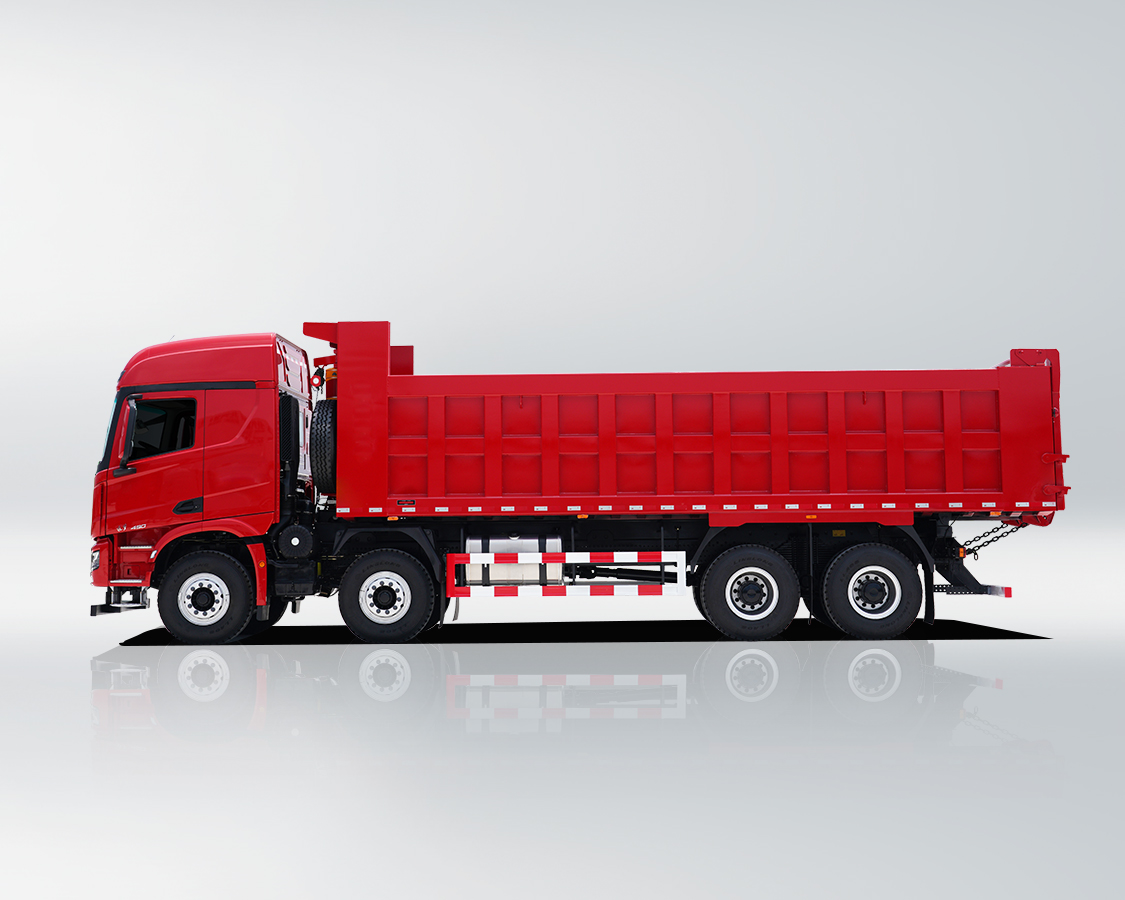
Strategic Sourcing and Global Manufacturing Leadership
Calculating the comprehensive total cost of ownership stands as the ultimate decision-making metric when expanding a specialized commercial fleet. Although the initial acquisition cost of premium transport equipment is significant, operators must evaluate long-term durability, spare parts availability, and secondary resale value. Behind every world-class commercial vehicle lies an intricate ecosystem of advanced manufacturing capabilities, strict quality assurance protocols, and reliable component sourcing. Navigating international logistics and regulatory compliance is much smoother when enterprises partner with established manufacturing networks that offer comprehensive structural engineering support and robust global supply chain execution. Through advanced manufacturing frameworks and dedicated technical support, Nextar Global delivers the precision-engineered components, heavy-duty structural assemblies, and dependable supply chain reliability that empower global businesses to scale their specialized fleets efficiently.
Table of Contents
- How Special Vehicle Adapts to Diverse Complex Transportation Application Scenarios
- Engineering Chassis Adaptability for Extreme Operating Environments
- Powertrain Versatility and High-Torque Terrain Command
- Integrating Advanced Hydraulics and Auxiliary Power Systems
- Managing Maintenance Accessibility and Fleet Economics
- Strategic Sourcing and Global Manufacturing Leadership